The Anatomy of a Donburi
At its simplest, donburi is a bowl of steamed rice topped with something savory. The name refers to both the dish and the deep ceramic bowl it is served in. Donburi is working-class food elevated by repetition and refinement — the kind of meal that office workers eat at counters during a thirty-minute lunch break and that students seek out when funds are low but appetite is not.
The Major Varieties
Gyudon (beef bowl) is the most ubiquitous form. Thinly sliced beef and onions simmered in sweetened soy broth, ladled over rice, often under 500 yen. Katsudon features a breaded pork cutlet simmered with onion and egg in dashi sauce over rice. It is traditionally eaten before exams, since “katsu” sounds like the word for “to win.” Oyakodon — literally “parent and child bowl” — combines chicken and egg in a light dashi broth, with a custard-like quality coating each grain of rice. Tendon places crispy tempura over rice with sweet tentsuyu sauce. Unadon (eel bowl) sits at the premium end, with grilled unagi brushed in thick tare sauce, typically costing 2,000 to 4,000 yen.
Chain Restaurants: Yoshinoya, Sukiya, and Matsuya
Three major chains dominate fast-food donburi: Yoshinoya (founded 1899, the oldest), Sukiya (the largest by locations, widest variety), and Matsuya (includes free miso soup with every order). All three specialize in gyudon with thousands of locations nationwide, many open 24 hours. Prices hover around 400 to 600 yen for a standard bowl, making them among the cheapest restaurant meals in Japan.
Ordering Tips and Customization
At chain restaurants, ordering is done via a ticket vending machine (kenbaiki) at the entrance. Select bowl size (nami for regular, omori for large), choose toppings or set meal additions, insert payment, and hand the ticket to counter staff. Some machines offer English. Common additions include a raw egg (nama tamago) to mix into rice, pickled ginger (beni shoga) available free at the table, and miso soup as a side.
Regional Variations
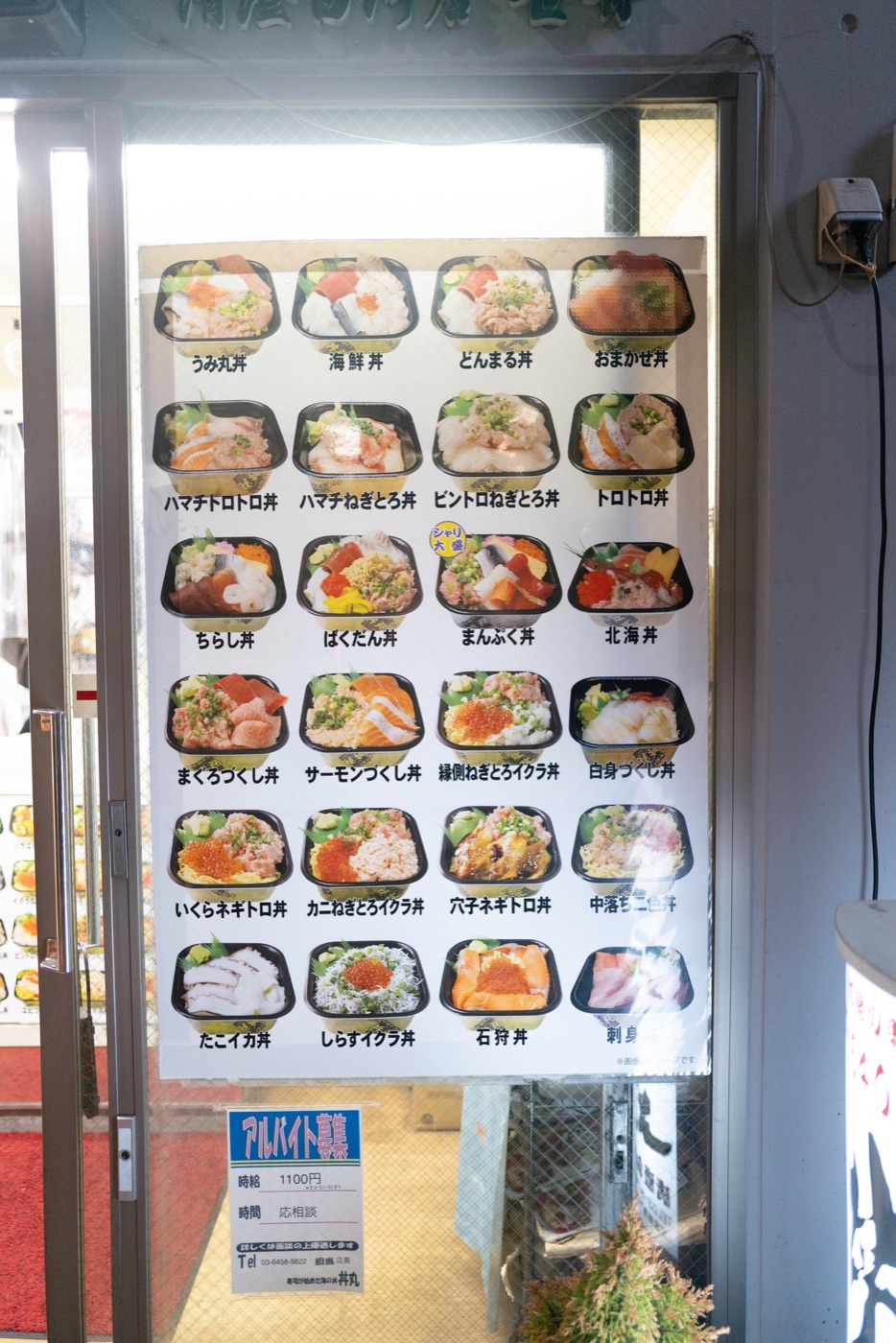
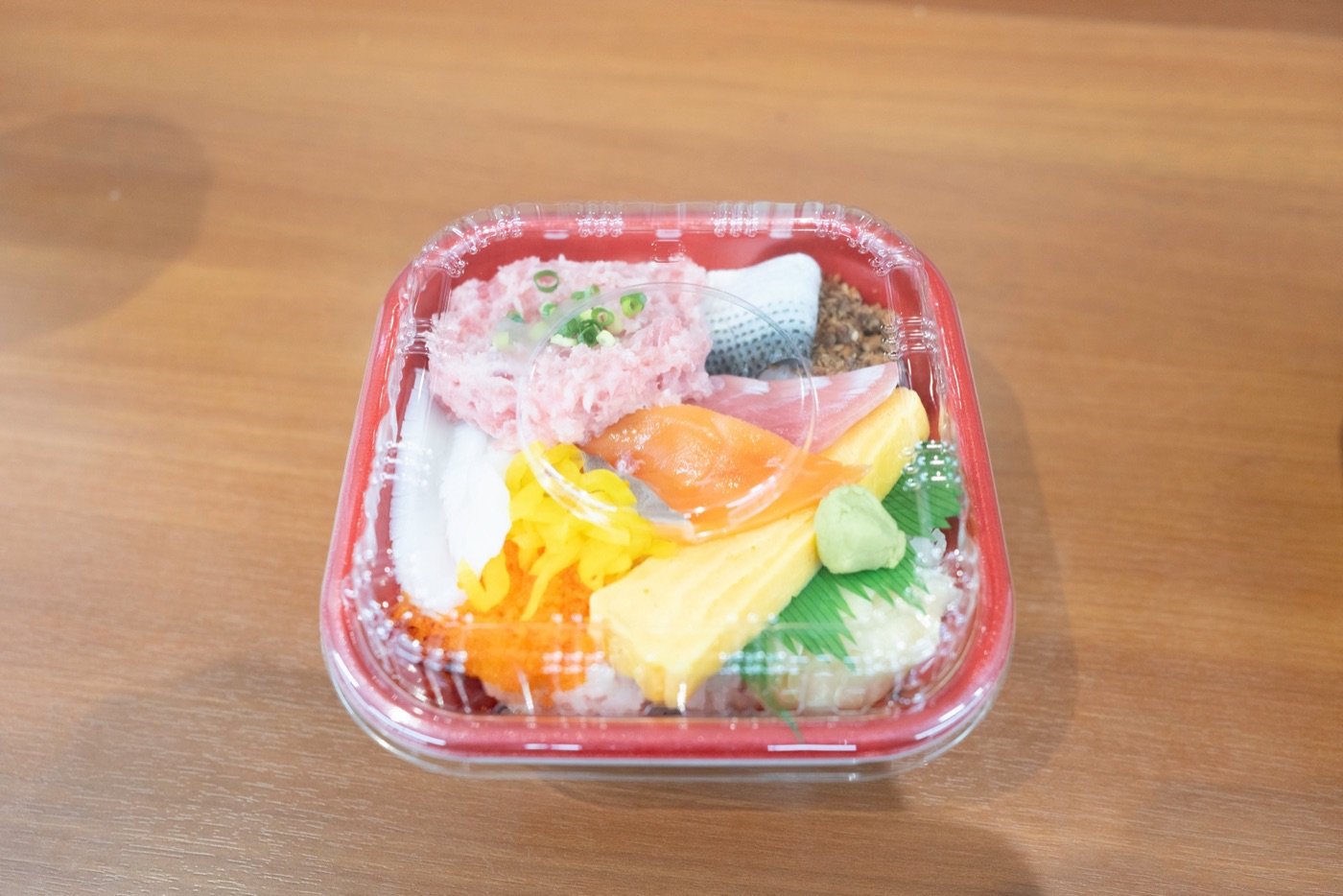
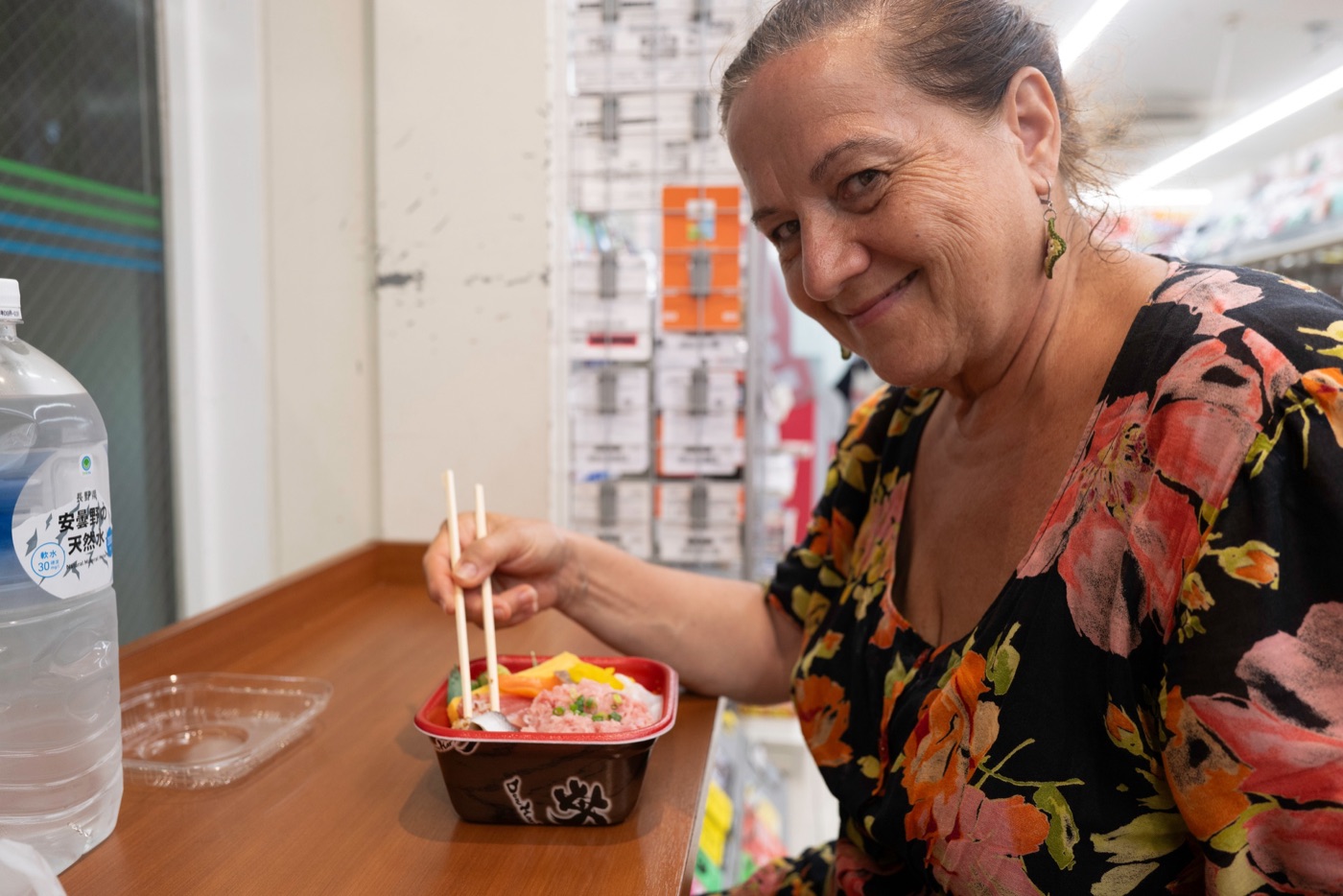
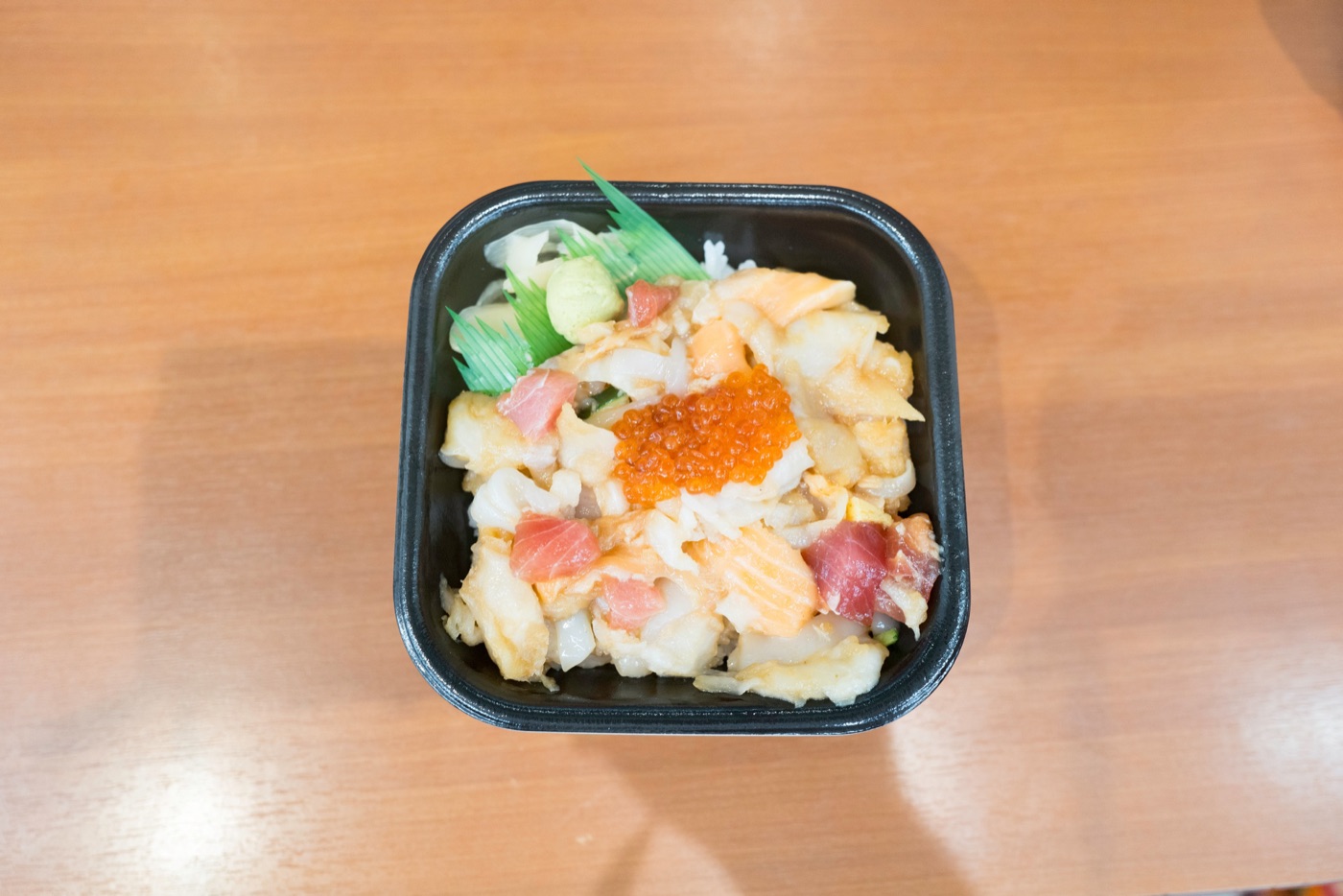
Beyond standard types, regional specialties add depth. Hokkaido is known for seafood donburi (kaisendon) piled with salmon roe, uni, crab, and scallops. Nagoya uses its distinctive red miso sauce for miso katsudon. Coastal towns throughout Japan serve local fish over rice in arrangements that feel worlds apart from a chain restaurant gyudon. Seeking out these regional bowls is one of the quieter pleasures of traveling through Japan.