An Annual Gathering of Body Art
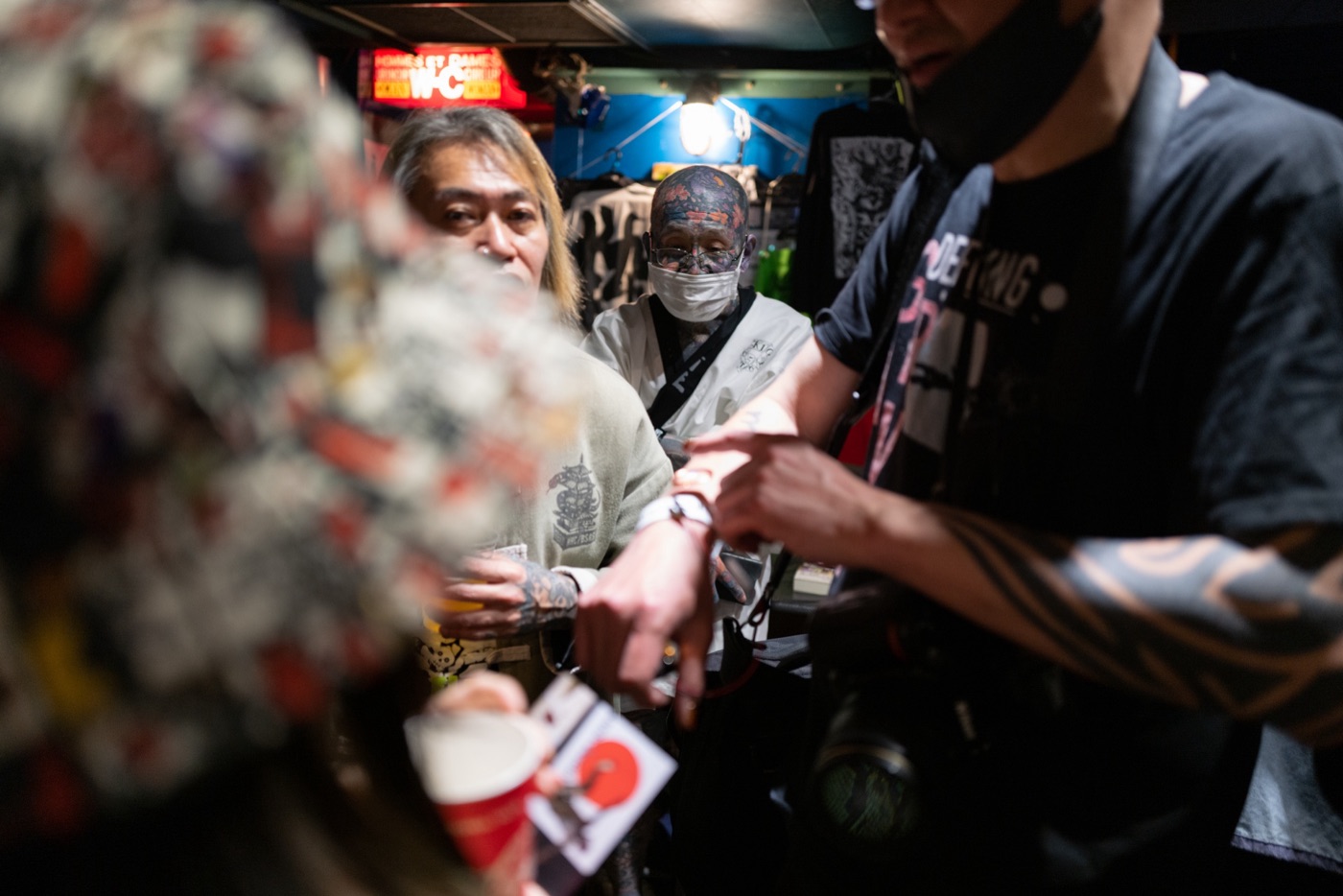
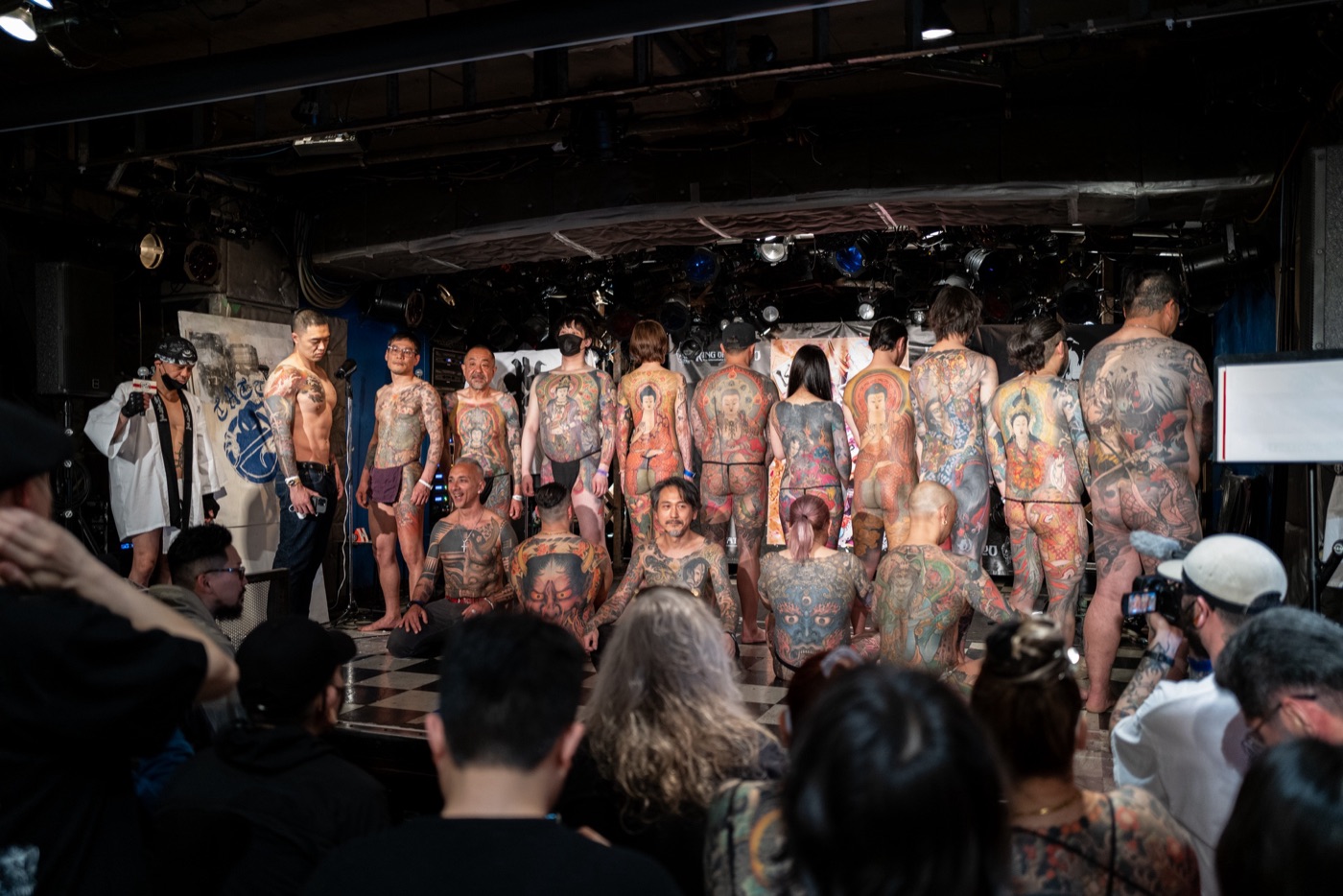
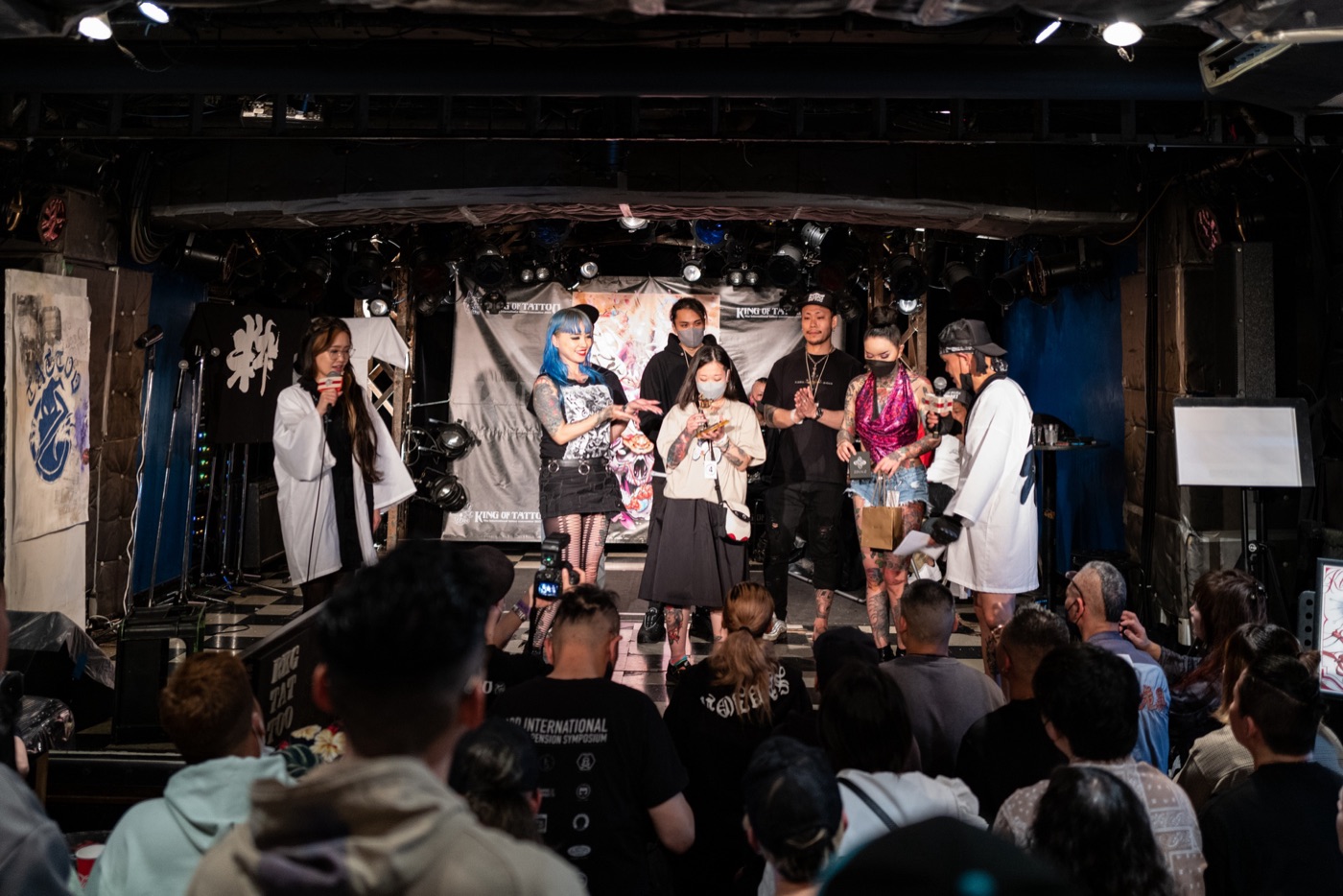
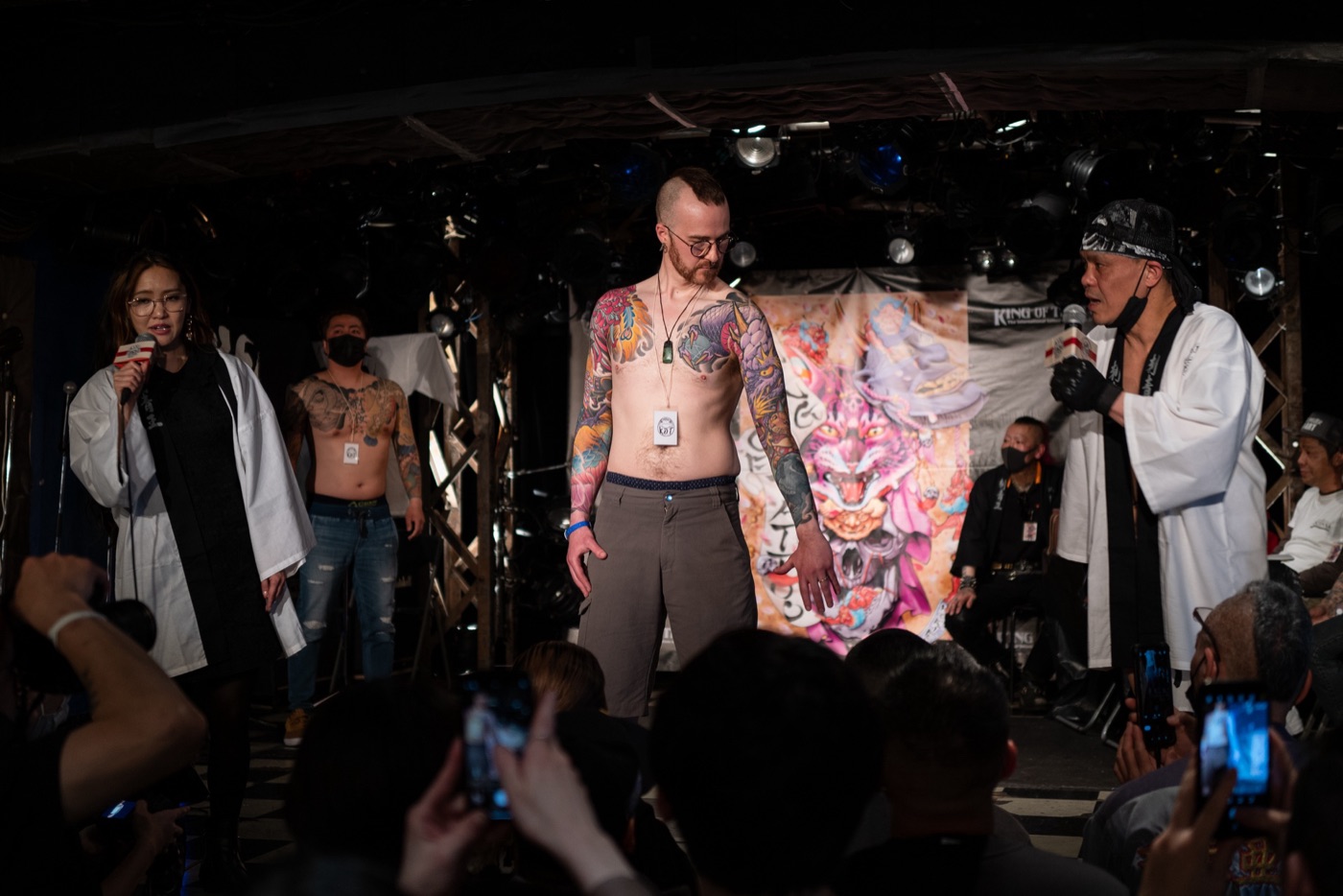
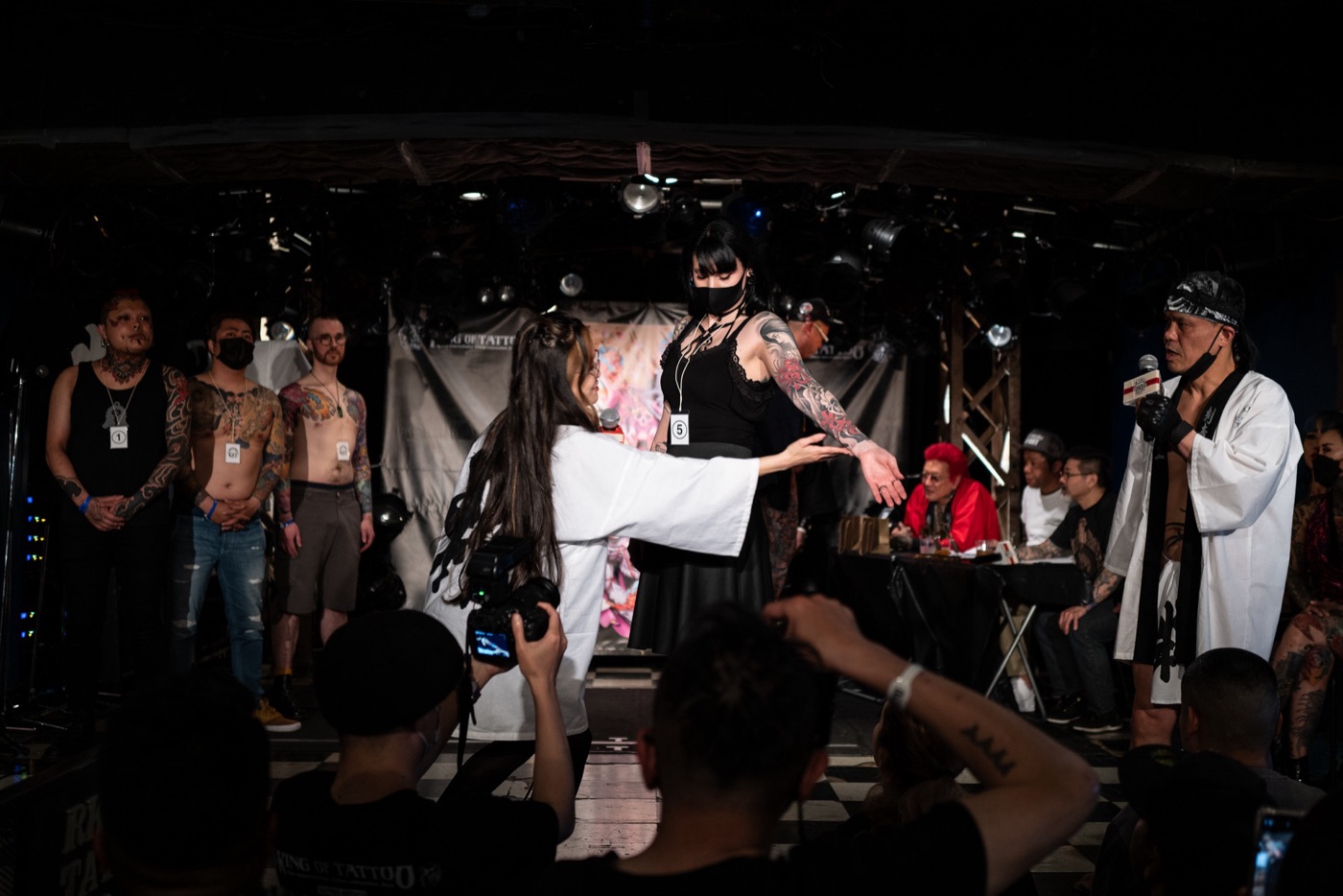
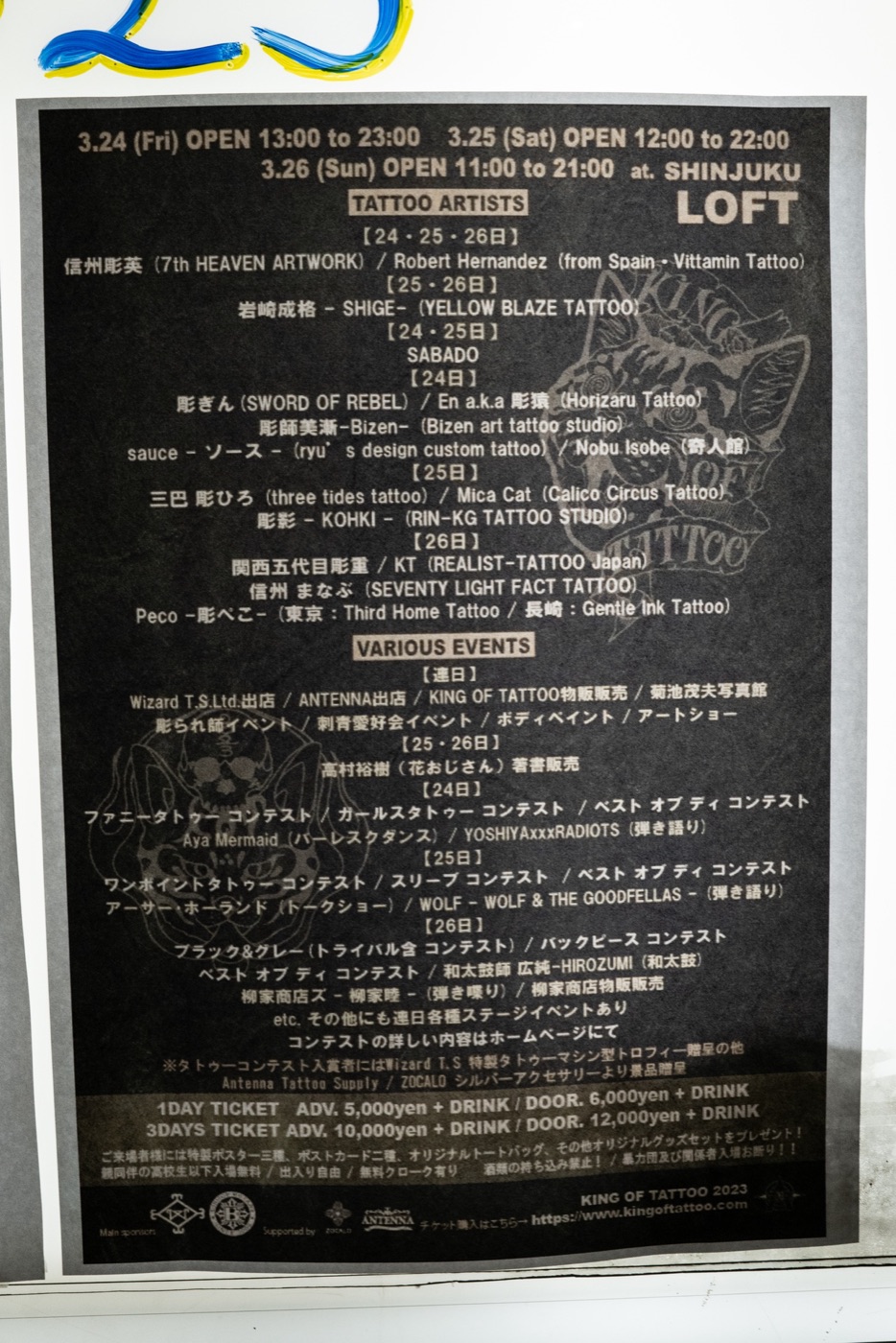
The Kings of Tattoo convention, held annually in Tokyo, is one of Asia’s most significant tattoo events. Artists from across Japan and around the world gather over two or three days to showcase their work, tattoo live, and participate in competitions judged by panels of respected practitioners. The event draws a diverse crowd: serious collectors displaying full-body work, curious newcomers considering their first piece, and art enthusiasts drawn by the visual intensity of the scene. The atmosphere is energetic but welcoming, with artists happy to discuss their techniques, styles, and the cultural traditions that inform their work. For visitors to Japan who happen to be in Tokyo during the convention, it offers an unfiltered look at a global art form with deep Japanese roots.
Japanese Irezumi Tradition
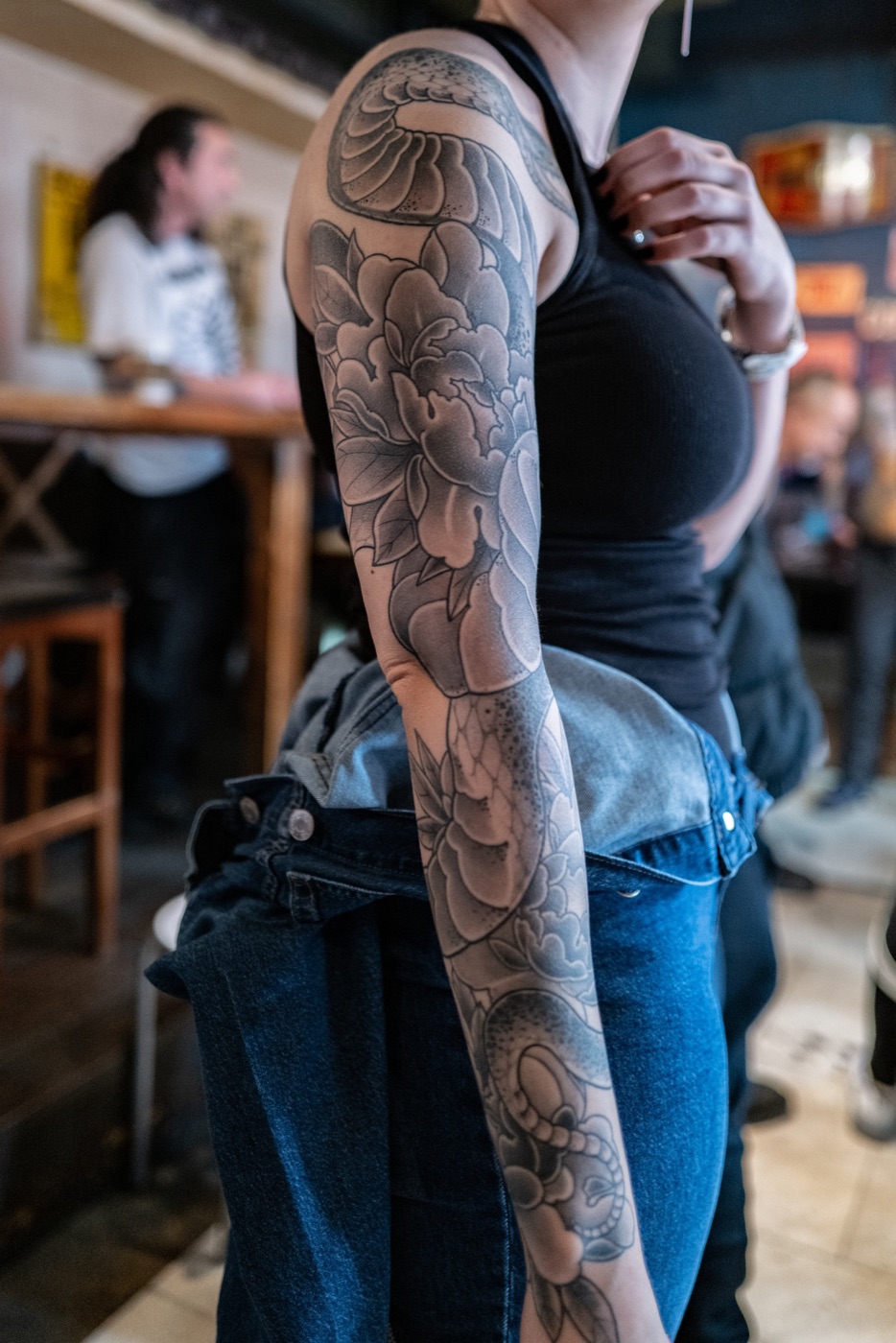
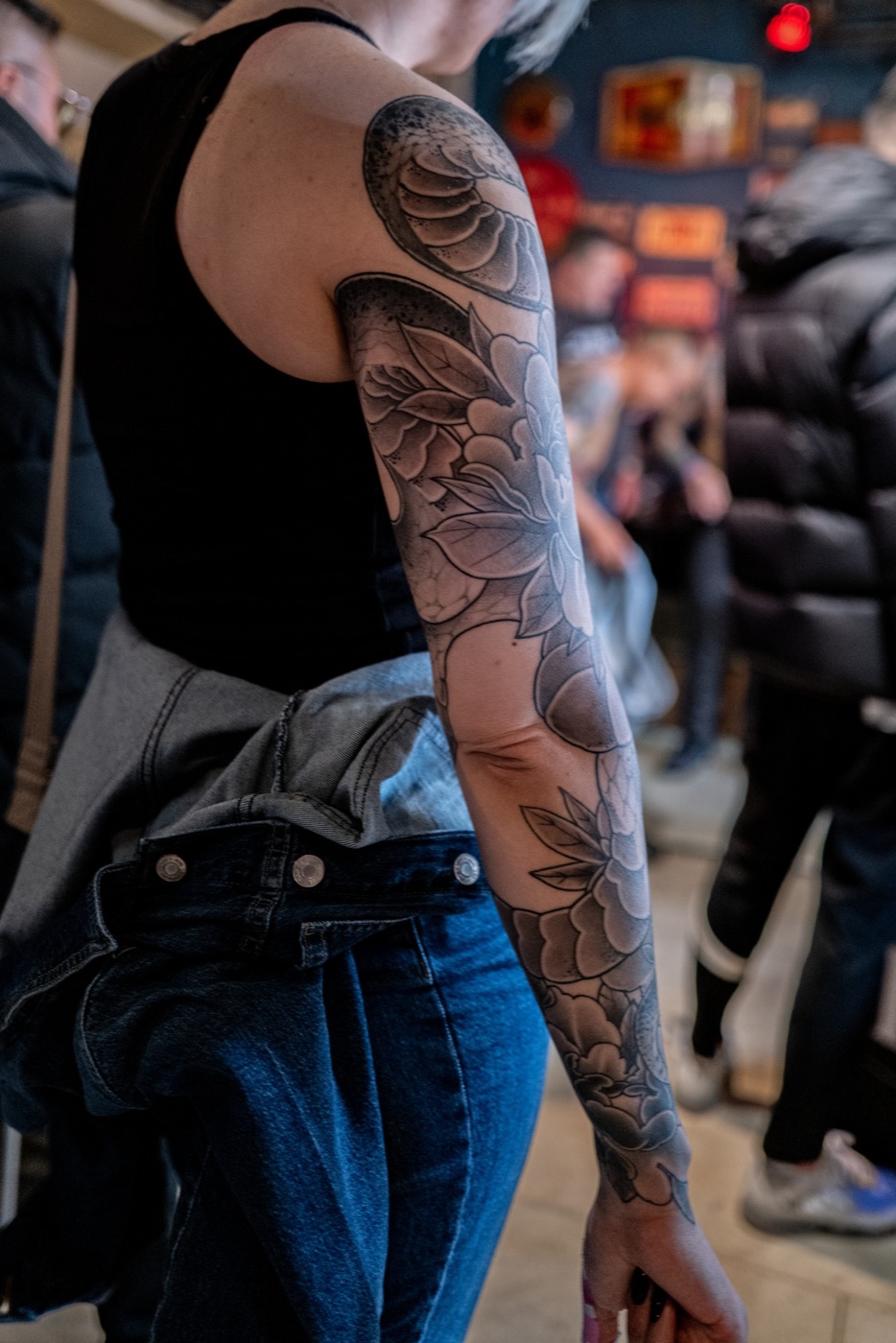
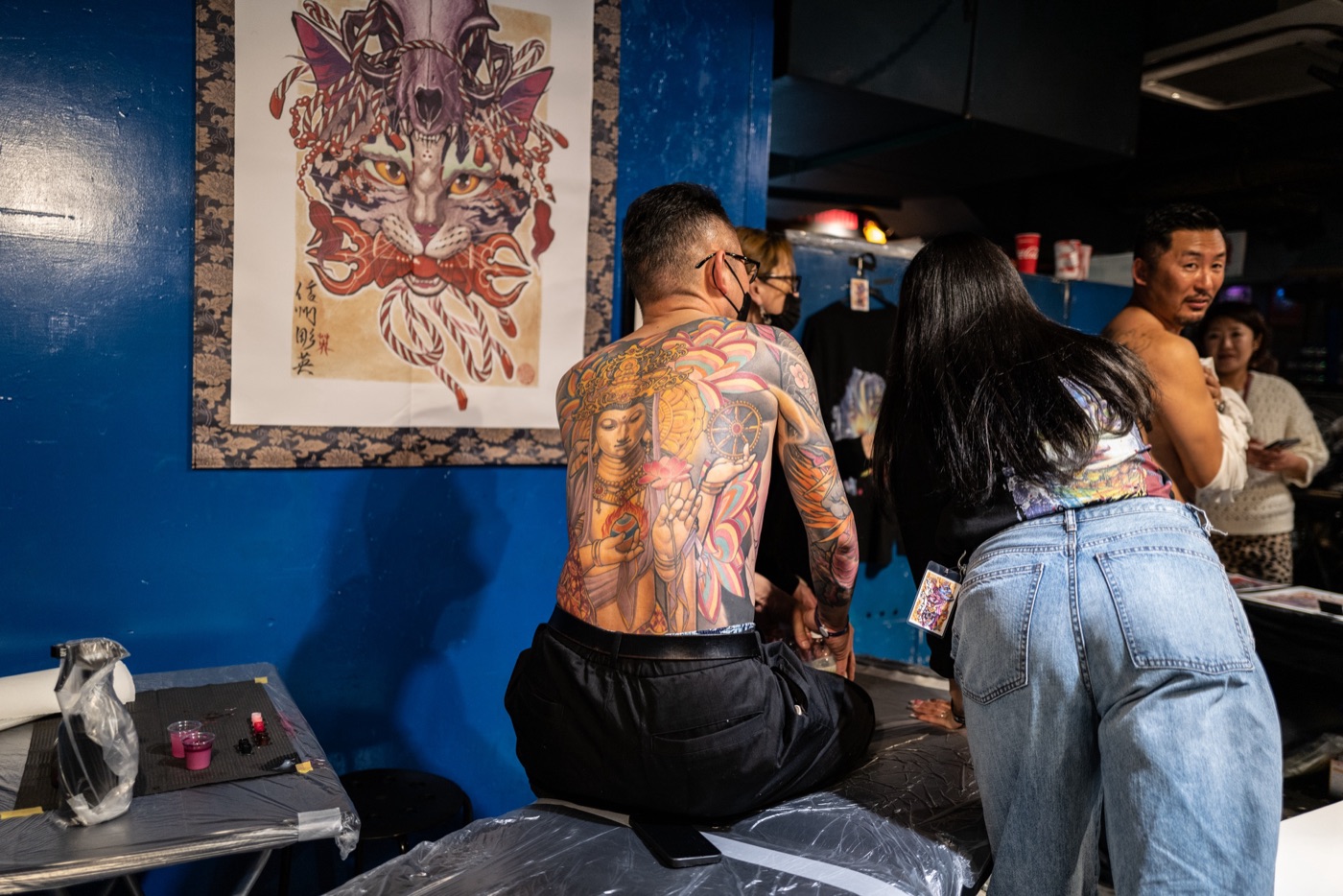
Japan’s relationship with tattooing is ancient, complex, and contradictory. Irezumi, traditional Japanese tattooing, is characterized by large-scale designs — full back pieces, sleeves, and bodysuits featuring dragons, koi fish, peonies, and figures from folklore and religion. The technique historically used tebori, hand-poking with a wooden handle fitted with needles, though many contemporary irezumi artists now combine tebori with machine work. The imagery follows established conventions: specific color palettes, wind bars and wave patterns as backgrounds, and compositions that flow with the contours of the body. At the Kings of Tattoo convention, irezumi masters exhibit alongside artists working in realism, geometric abstraction, blackwork, and every other contemporary style, creating a dialogue between tradition and innovation.
International Artists and Live Tattooing
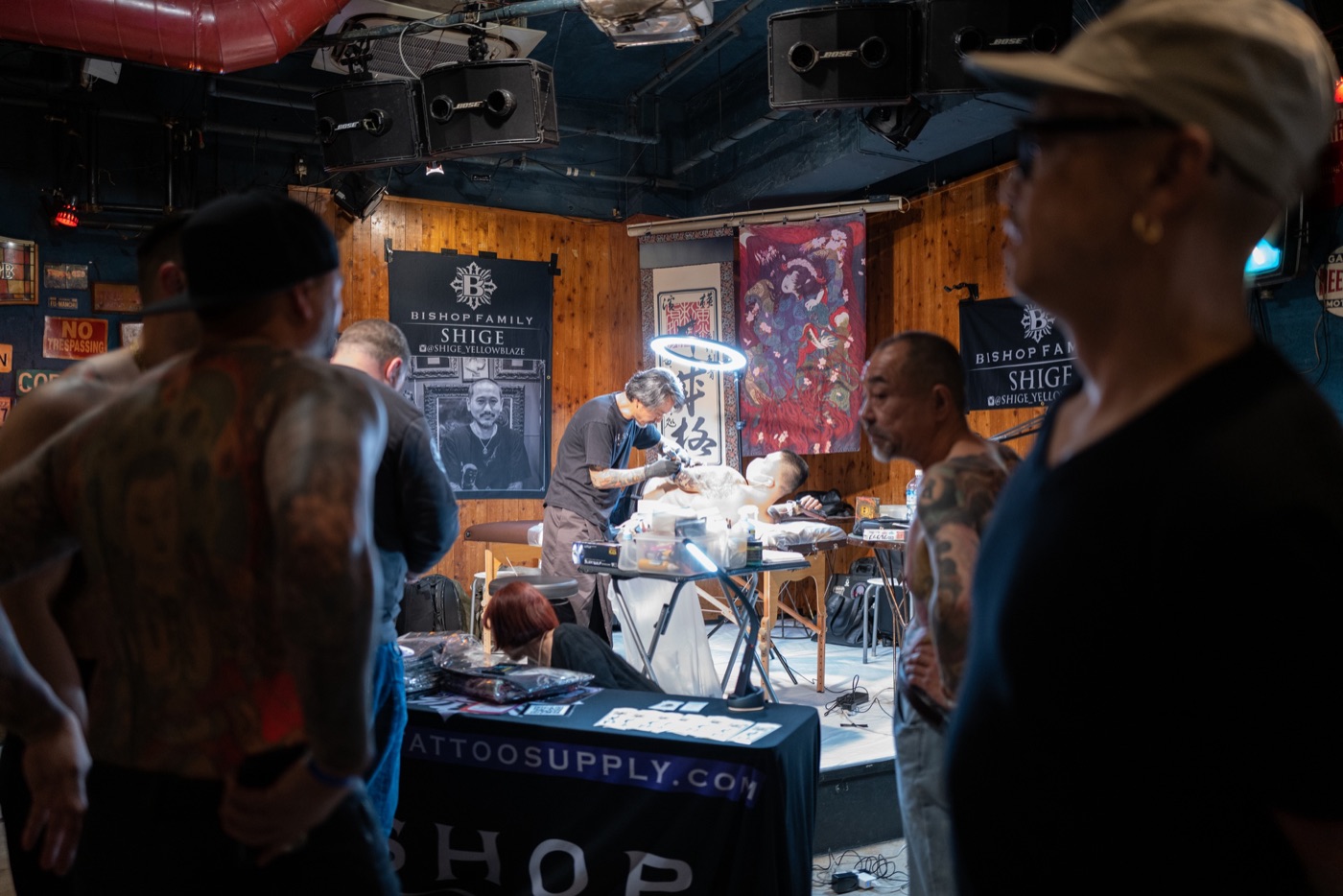
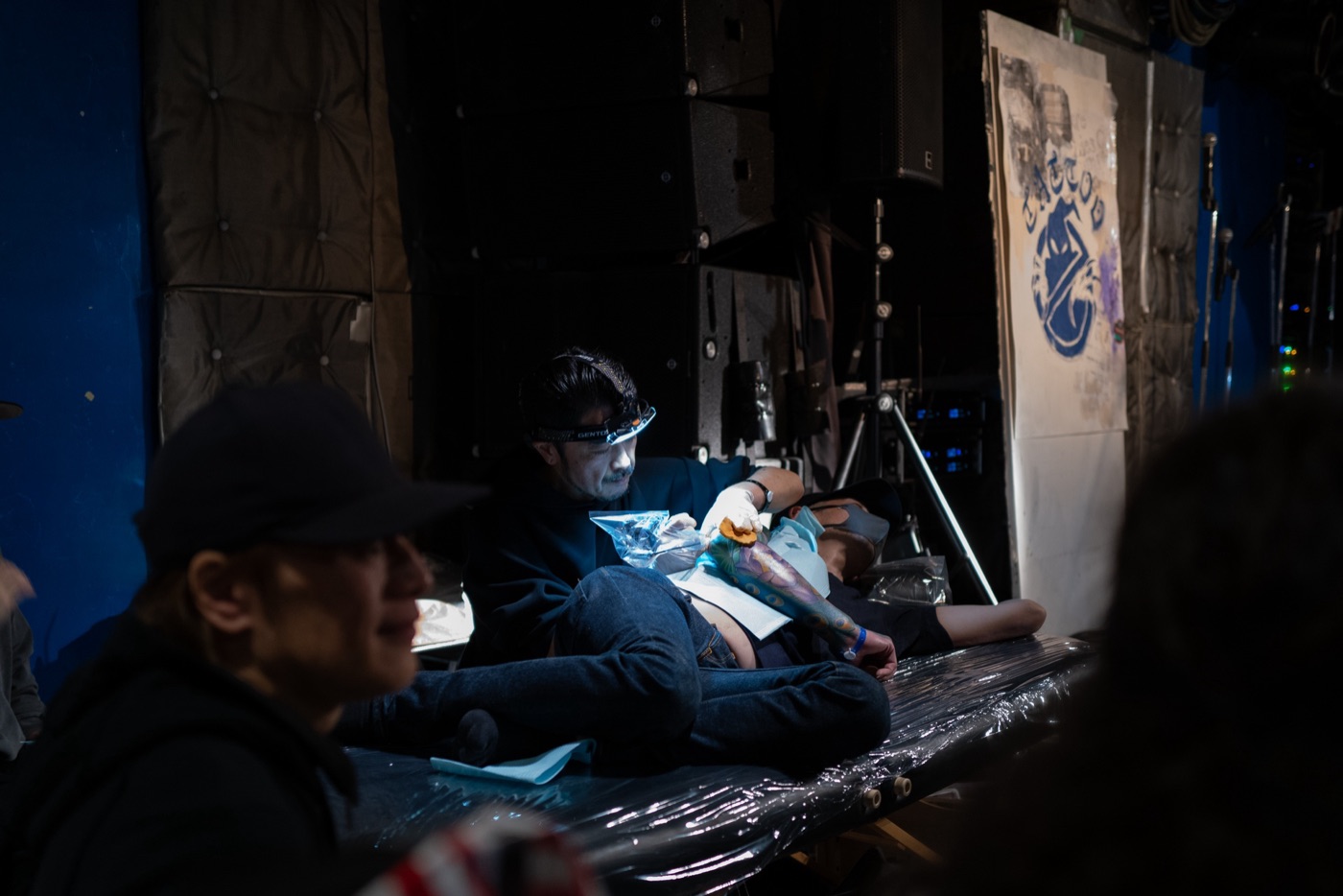
One of the convention’s main draws is live tattooing. Booths line the venue floor, each occupied by an artist or team working on clients in real time. Watching a skilled tattooer execute a complex piece over several hours is mesmerizing — the steady hand, the wiping of excess ink, the gradual emergence of an image from raw skin. Many artists accept bookings for the convention months in advance, and securing a session with a sought-after artist requires early planning. Walk-in appointments are sometimes available, particularly on the final day when schedules loosen. International artists use the convention as an opportunity to work in Tokyo, and Japanese artists who rarely tattoo foreigners may be more accessible in the convention setting than in their private studios.
Exhibitions and Cultural Significance
Beyond the tattooing booths, the convention typically features exhibitions of tattoo-related art, photography, and historical materials. Displays of Edo-period woodblock prints showing tattooed figures, vintage tattoo flash sheets, and documentary photography of Japanese tattoo culture provide context for the living art being created on the convention floor. Panel discussions and demonstrations sometimes address the social history of tattooing in Japan, where body art has been associated at various times with spirituality, criminality, rebellion, and fashion. The yakuza association, while fading among younger Japanese, continues to influence public perception, and many onsen and public baths still prohibit tattooed patrons.
Tattoos in Modern Japan
The Kings of Tattoo convention exists within a shifting cultural landscape. While tattoos remain stigmatized in certain contexts — job interviews, traditional hot springs, some gyms — younger generations in Tokyo increasingly view body art as personal expression rather than social transgression. Small tattoo studios have proliferated in neighborhoods like Shibuya, Harajuku, and Shimokitazawa, catering to a clientele that sees no contradiction between tattoos and professional life. The convention reflects this generational shift, attracting a crowd that ranges from heavily tattooed veterans to university students with small wrist designs. For foreign visitors, the event is a reminder that Japanese culture is not monolithic — it contains tensions, contradictions, and ongoing negotiations between tradition and change that make it endlessly fascinating to observe.