Fukuoka’s Yatai Stalls: A Culinary Landmark
History and Evolution of Yatai
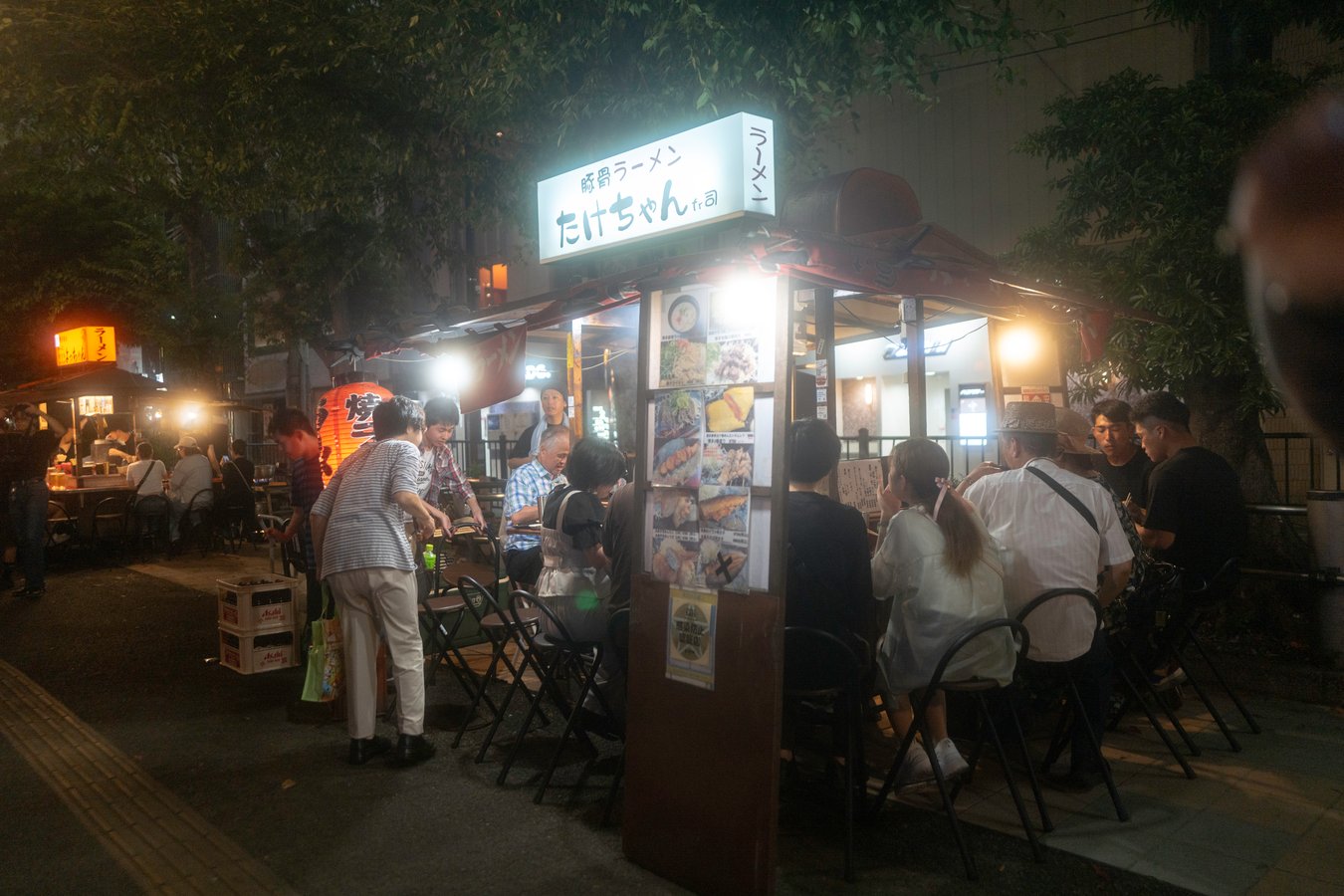
Yatai stalls in Fukuoka trace their origins back to the 17th century, growing in popularity after World War II as a way to address food shortages. Initially consisting of two-wheeled pushcarts, these evolved into wooden stalls following health regulations introduced before the 1964 Tokyo Olympics.
Features of Fukuoka’s Yatai
Fukuoka boasts more yatai than any other city in Japan, with many located on Nakasu Island. These stalls operate from around 6 PM to 2 AM, offering iconic dishes like Hakata Ramen, yakitori, gyoza, and oden. The communal seating fosters social interaction, creating a lively atmosphere for locals and tourists alike.
Cultural and Social Significance
Yatai are a vital part of Fukuoka’s community, serving as hubs for connection over food and drinks. Despite strict national regulations, Fukuoka has preserved its yatai culture by relaxing local rules and issuing new licenses, ensuring these stalls remain central to the city’s identity.
Visiting Tips
Nakasu Island is the best spot to experience Fukuoka’s yatai, with approximately 20 stalls lining the waterfront. Be prepared for wait times, especially on weekends, and embrace the vibrant atmosphere while enjoying local culinary specialties.
More to explore

Daikanyama T-Site: A Literary and Architectural Marvel

Kiba Park: A Recreational Haven in Tokyo

Shiseido Gallery: A Hub for Contemporary Art in Ginza
Shinjuku Gyoen: A Historic Garden in Tokyo
Shisa: Okinawa’s Mythical Guardians
Chiba: Beyond Tokyo’s Border

Naoshima
Toshima Forest: Urban Nature in Ikebukuro
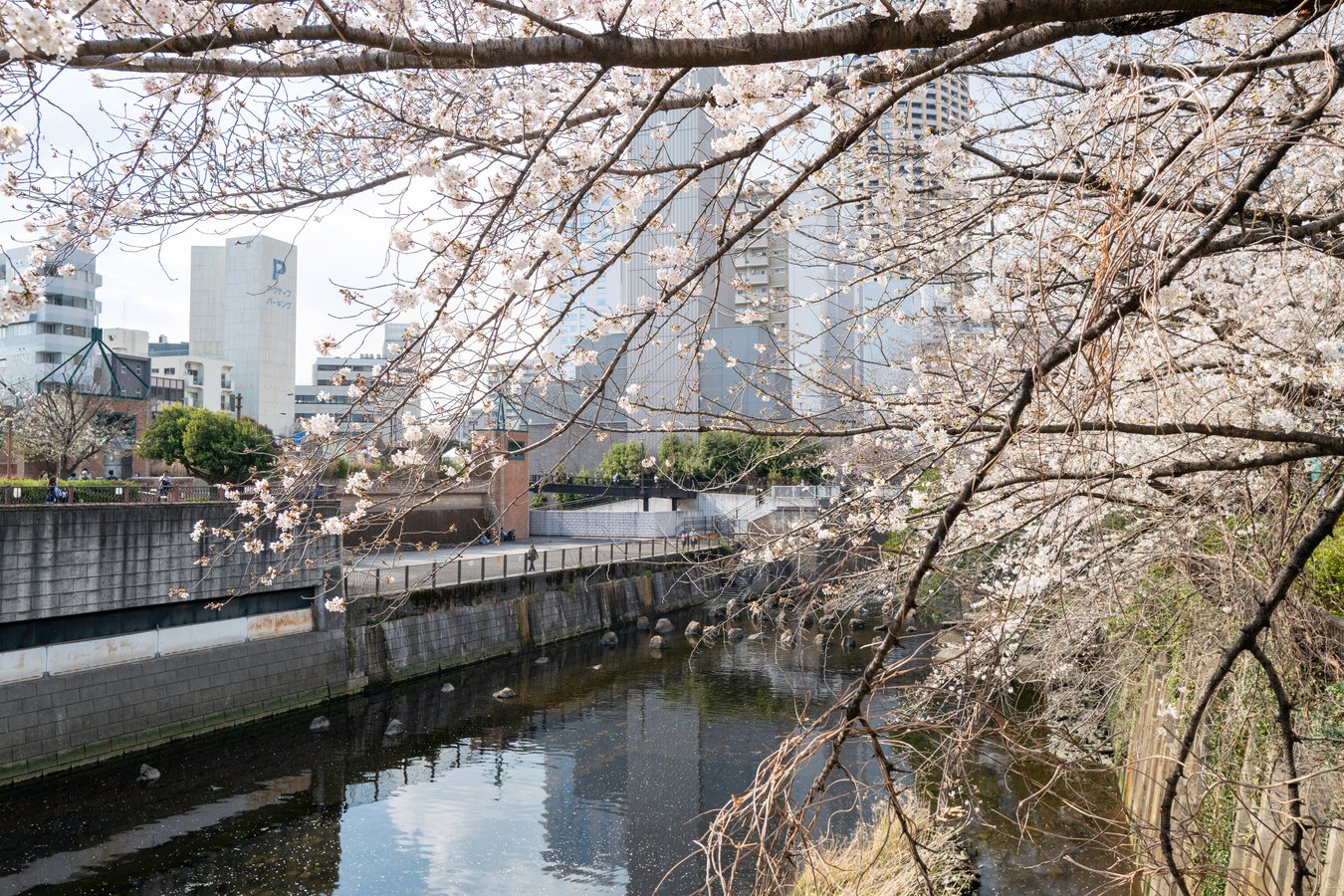
Sakura: The Cultural and Seasonal Icon of Japan
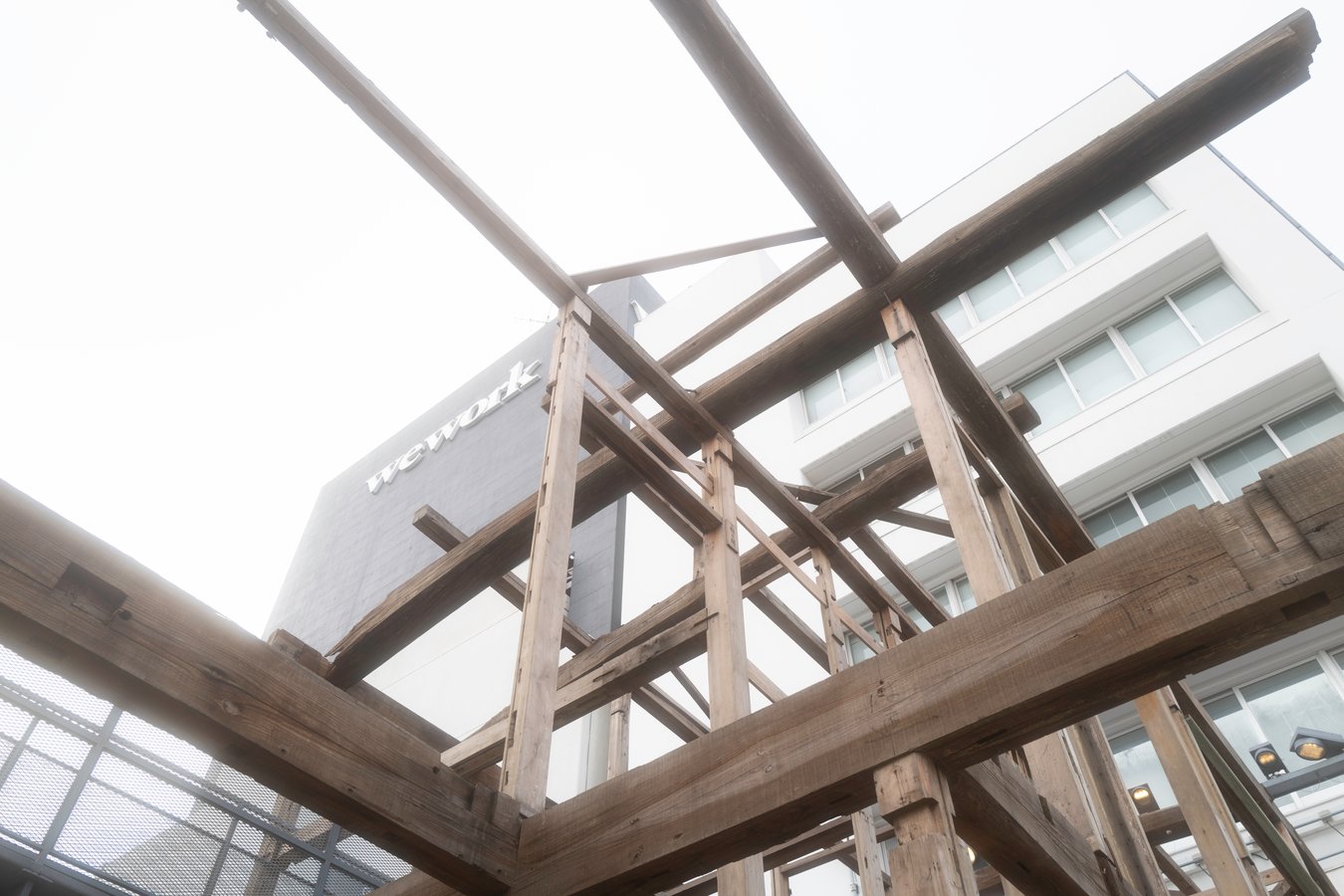
The Art of Traditional Japanese Wood Joinery