Author: Giorgio Fragiacomo

  • Akihabara: Tokyo’s Electric Town and Anime Hub

    Akihabara: Tokyo’s Electric Town and Anime Hub

    Keywords

    Akihabara, Tokyo, Electric Town, anime, otaku culture, electronics

    Introduction

    Akihabara, often referred to as “Akiba,” is a vibrant and bustling district located in Tokyo. Known as Tokyo’s Electric Town, Akihabara is a haven for tech enthusiasts, anime and manga lovers, and fans of Japanese pop culture. With its neon lights, countless shops, and unique atmosphere, Akihabara offers an unforgettable experience for visitors.

    Electronic Mecca

    Akihabara is renowned for its wide array of electronics shops, ranging from large department stores to small independent retailers. Here, you can find the latest gadgets, computer components, and electronic accessories. Whether you’re a tech-savvy enthusiast or simply interested in exploring the world of electronics, Akihabara is the place to be.

    Anime and Otaku Culture

    Akihabara is also one of the epicenters of anime and otaku culture in Tokyo. The district is filled with anime-themed shops, manga bookstores, and arcades where you can try your hand at various gaming experiences. Cosplay enthusiasts flock to Akihabara to find costumes and accessories, and the area is known for its maid cafes, where waitresses dressed in maid costumes provide a unique dining experience.

    Unique Shopping Experience

    In addition to electronics and anime, Akihabara offers a wide range of specialty shops catering to niche interests. From retro video game stores to model kit shops, there is something for everyone. You can find collectibles, character merchandise, and even rare items that are difficult to find anywhere else. Exploring the narrow streets of Akihabara is like stepping into a world of endless possibilities.

    Useful Wikipedia Links:

    1. Akihabara

    Google Maps Links:

    1. Akihabara, Tokyo
  • Kagurazaka: Where Tradition Meets French Elegance

    Kagurazaka: A Blend of Heritage and Style

    Kagurazaka is Tokyo’s last bastion of geisha culture and a neighborhood that beautifully blends traditional Japanese elements with a strong French influence. With cobbled streets and a relaxed, residential vibe, it’s the perfect area to wander and discover historic shops, stylish eateries, and a unique atmosphere.

    Japanese Tradition Meets French Chic

    Once a bustling geisha district, Kagurazaka retains its heritage through ryotei restaurants and kimono stores, complemented by modern Michelin-starred establishments and minimalist galleries. Known as Tokyo’s “Little Paris,” the area is home to French restaurants, bakeries, and even French schools. Strolling through its backstreets, you may encounter geisha heading to appointments or cats lazing in quiet corners.

    Temples, Shrines, and Modern Design

    The bold red Zenkokuji Temple, dedicated to Bishamonten, has been a local symbol since the 18th century. A short walk away, the Akagi-jinja Shrine, redesigned by architect Kengo Kuma, combines glass and natural materials for a modern twist. With an onsite Italian cafe, this shrine reflects the area’s seamless mix of old and new.

    Exploring Hidden Streets

    Kagurazaka’s narrow backstreets evoke its past as an entertainment district. Streets like Kakurenbo Yokocho and Hyogo Yokocho retain their Edo period charm, with cobbled paths and black lacquered wooden walls. While these alleys once concealed samurai houses, today they feature trendy restaurants and stylish residences.

    Shopping and Gourmet Experiences

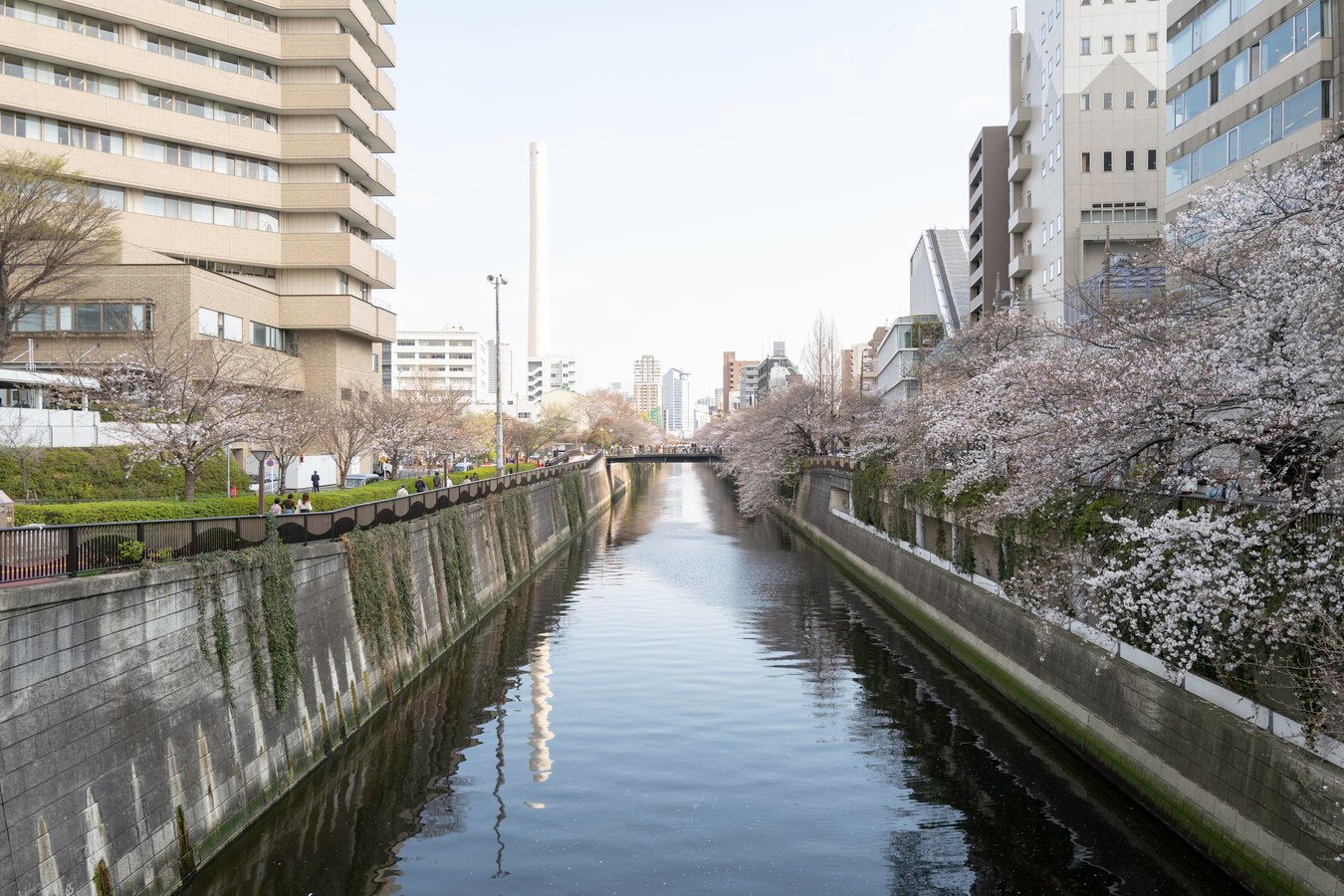
    On weekends, the main street is closed to traffic, making it ideal for strolling from Iidabashi Station to Akagi-jinja Shrine. Explore cafes, French patisseries, and kimono fabric shops, or enjoy a meal at a Michelin-starred kaiseki restaurant. For a unique experience, visit the Canal Cafe, where the atmosphere feels almost European except for the cherry blossoms in spring.

    Festivals and Cultural Events

    During summer, the Kagurazaka Matsuri transforms the area with the Hozuki Market near Zenkokuji Temple and the Awa Odori dance, where troupes parade along the main street. The Kagurazaka Street Stage Oedo Tour offers live performances of traditional Japanese music, storytelling, and other cultural arts, making it a must-visit for anyone interested in Japan’s heritage.

  • Kokeshi Dolls: Japan’s Wooden Craft Tradition

    What Are Kokeshi Dolls?

    Kokeshi dolls are handcrafted wooden creations from Japan’s Tohoku region, with a history of over 150 years. Their design is simple yet iconic, featuring a trunk and head with no arms or legs. Originally made as children’s toys, they have evolved into valued collectibles.

    Design and Craftsmanship

    Each doll is carved from wood and decorated with painted lines for the face. The body often features floral or ring patterns in colors like red, black, and occasionally green or purple. A layer of wax gives the dolls a polished finish, emphasizing their minimalist design.

    Modern Artisanship

    Since the 1950s, artisans have added signatures to their creations, often on the doll’s base or back. These marks enhance the doll’s value and serve as a personal touch from the maker.

    Kokeshi dolls are admired for their artistic craftsmanship and stand as a cultural symbol of Japan’s rich heritage and elegant simplicity.

  • National Museum of Nature and Science: Ueno’s Science Hub

    National Museum of Nature and Science: Ueno’s Science Hub

    About the Museum

    The National Museum of Nature and Science, located in the northeast corner of Ueno Park in Tokyo, showcases the fascinating history of Japanese science, particularly from the pre-Meiji era. It’s an ideal destination for science enthusiasts and history lovers alike.

    Indoor Exhibits

    One of the museum’s standout features is the taxidermied bodies of famous Japanese dogs Hachikō and Taro and Jiro. These exhibits offer a glimpse into the nation’s history and relationship with its iconic animals.

    Outdoor Displays

    Outside the museum, visitors can marvel at a life-size blue whale model, which is a popular spot for photos, and a historic steam locomotive, adding an educational element to the outdoor experience.

    The museum combines history and science to provide an engaging and enriching experience for visitors of all ages.

  • Bic Camera: Japan’s Electronics Hub

    Why Visit Bic Camera?

    Bic Camera is one of Japan’s top consumer electronics retailers, with 45 stores spread across 17 prefectures. It’s a go-to destination for both locals and tourists seeking quality products and convenience.

    Extensive Product Range

    The store offers a wide variety of items, from electronics like cameras, computers, and watches to everyday essentials such as medication, toys, rice cookers, and even alcohol. Whether for personal use or as gifts, there’s something for everyone.

    Convenient Locations

    All Bic Camera stores are located near major stations, making them highly accessible and ensuring a seamless shopping experience.

    Opening Hours

    10:00-22:00 daily, with no closure days, so you can shop at your convenience.

    Bic Camera is a must-visit for anyone in Japan looking for a reliable and diverse shopping experience, blending technology with practicality.

  • Self-Drive Tours Across Japan’s Scenic Landscapes

    Explore Japan with Self-Drive Adventures

    Japan’s self-drive tours offer a unique way to experience the country’s diverse landscapes, from serene nature in Hokkaido to volcanic wonders in Kyushu, and sacred sites in Shikoku. With an English GPS included in rental cars, navigating Japan’s road system is straightforward and stress-free.

    Hokkaido: Nature’s Paradise

    Discover Hokkaido’s untouched nature, including snow-capped mountains, flower fields, volcanic lakes, and outdoor onsen. Highlights include national parks like Daisetsuzan, Akan Mashu, and Shiretoko, as well as towns like Matsumae and Hakodate. For a longer excursion, extend your trip to Lake Toya and Hakodate.

    Kyushu: Volcanoes and Hot Springs

    Kyushu is known for its volcanoes, waterfalls, and famous hot springs. This self-drive tour covers destinations like Mount Aso, Yakushima Island, Takachiho, and Kirishima. Stay in traditional ryokan inns for a luxurious experience. Optional extensions include Yakushima’s UNESCO rainforest and historical sites in Kumamoto, Shimabara, and Nagasaki.

    Shikoku: Sacred Sites and Unique Culture

    On Shikoku, visit the island’s 88 temple pilgrimage, Iya Valley’s pristine nature, Matsuyama’s castle, and Takamatsu’s Ritsurin Garden. This tour combines modern Tokyo and Kyoto with Shikoku’s traditional charm. The organized road system ensures a smooth travel experience.

  • Lee Ufan Museum: Art and Architecture in Harmony

    The Lee Ufan Museum Experience

    The Lee Ufan Museum on Naoshima Island is a collaboration between world-renowned artist Lee Ufan and celebrated architect Tadao Ando. The museum’s semi-underground design creates a seamless blend of art and architecture.

    Art and Architecture in Resonance

    Housing paintings and sculptures by Lee Ufan from the 1970s to today, the museum is a space where the works interact with Ando’s architectural style. Visitors experience a unique balance of stillness and dynamism that enhances the appreciation of both art and structure.

    A Tranquil Setting

    Situated in a serene valley surrounded by hills and the ocean, the museum invites visitors to peaceful contemplation. The integration of nature, architecture, and art provides a refuge from the fast-paced modern world.

    An Invitation to Reflect

    The Lee Ufan Museum stands out as a space for quiet reflection, encouraging visitors to engage with the interplay between material simplicity and the natural environment. It’s a place where minimalism meets thoughtful creativity.

  • Ansan Mountain: A Scenic Escape in Seoul

    Ansan Mountain Overview

    Located in the Seodaemun-gu district of Seoul, Ansan Mountain stands at 295.5 meters and offers stunning panoramic views of the city. Its accessible hiking trails make it a popular destination for both locals and visitors.

    Easy and Accessible Trails

    Ansan Mountain features multiple hiking paths, with the eastern trail being the most notable. This route passes through Independence Park, home to the historic Seodaemun Prison. Many trails are equipped with boardwalks, ensuring a safe and comfortable trek for hikers of all ages.

    Observation Deck with a View

    At the summit, a spacious observation deck offers breathtaking views of Seoul and its surroundings. It’s the perfect spot to relax and take in the beauty of the city from above.

    Bongwonsa Temple

    On the southeastern hillside of Ansan lies Bongwonsa Temple, the head temple of the Taego Order of Korean Buddhism. Its serene location adds a touch of spirituality to your visit to the mountain.

  • Dongdaemun Design Plaza: Seoul’s Cultural Hub

    A Multifaceted Cultural Complex

    Located at Dongdaemun History & Culture Park Station, Seoul’s Dongdaemun Design Plaza (DDP) is a dynamic space for cultural exchange and creative innovation. Since its opening on March 21, 2014, DDP has hosted diverse events such as exhibitions, fashion shows, product launches, forums, and conferences.

    Center of Design and Fashion Trends

    DDP serves as a hub for new design trends, introducing innovative products and fashion, while fostering cultural exchange. Its exhibitions and events provide a platform for sharing knowledge and experiencing fresh creative concepts.

    Expanding Influence

    Through its activities, DDP is becoming a pivotal location in the design and fashion industry, with ambitions to expand its influence across Asia and the global stage.

  • Gangnam: Seoul’s Vibrant South of the River

    About Gangnam

    Gangnam (meaning ‘South of the River’) is a prominent district in Seoul, known for its modern vibe and cultural significance. It’s a hub for commerce, entertainment, and social gatherings, centered around the bustling Gangnam Subway Station.

    Key Roads and Connectivity

    The district is connected by major roads like Gangnam-daero Avenue, linking Teheran-ro Road to areas like Jamsil and Sadang, and Hannam-daegyo Avenue, which provides access to northern Seoul. Southward routes lead to metropolitan zones such as Seongnam and Bundang, making Gangnam a transportation hub.

    A Social and Commercial Hotspot

    Gangnam Subway Station is a popular meeting point, especially around exits 10 and 11. It’s a dynamic location with fashion malls, movie theatres, and bookstores that attract both locals and visitors. Weekday evenings and weekends see the area bustling with activity, particularly near landmarks like City Theatre and Giordano.

    Why Visit Gangnam?

    Gangnam offers convenient transportation, a variety of shopping options, and vibrant entertainment venues. Its central location and accessibility make it an ideal choice for social events and personal engagements in Seoul.