
Tag: Koenji

  • House Na: A Transparent Vision in Koenji

    House Na: A Transparent Vision in Koenji

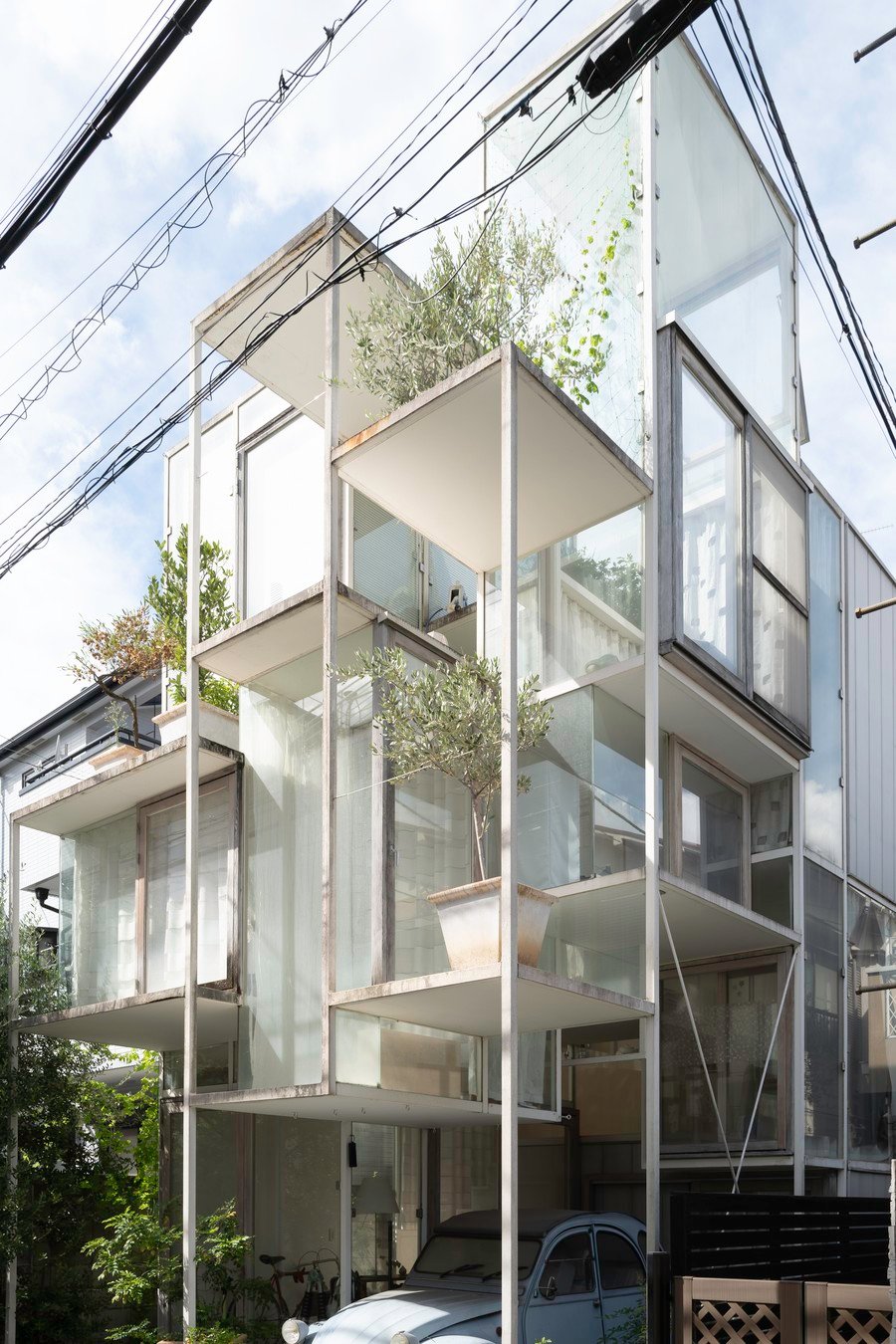
    The Innovative Design of House Na

    Located in Koenji, Tokyo, House Na, designed by renowned architect Sou Fujimoto, redefines modern living. Its standout feature is the use of transparent walls combined with staggered platforms, creating a multi-level home that challenges traditional concepts of privacy and interior space. The design emulates the branches of a tree, offering a unique and interconnected living experience.

    Integration with Nature

    House Na blurs the boundaries between indoors and outdoors. Its transparent walls flood the interiors with natural light, fostering a connection to the external environment. This approach allows residents to live in tune with the rhythm of daylight and the changing seasons.

    Living in Transparency

    Beyond its physical design, the transparency of House Na represents a philosophical approach to living. The minimal boundaries create a fluid space that encourages interaction and a sense of freedom, challenging the conventions of urban dwelling.

    Reflecting on Modern Living

    House Na isn’t just a home; it’s a reflection on modern living. By rethinking the notions of space, privacy, and community, it offers a bold alternative to traditional urban architecture. It serves as an inspiring example of how creativity and design can reshape the concept of home.

    Key Details

    Location: Koenji, Tokyo, Japan
    Architect: Sou Fujimoto

  • Koenji Awa Odori: Tokyo’s Summer Dance Festival

    Koenji Awa Odori: Tokyo’s Summer Dance Festival

    About the Awaodori Dance

    The Awaodori dance, originating in Tokushima, is a 400-year-old tradition now celebrated nationwide. Tokyo’s Koenji Awa Odori, launched in 1957, has grown into a major summer festival, attracting 10,000 dancers and over 1 million spectators annually during the last weekend of August.

    Festival Highlights

    Centered around JR Koenji and Metro Shin Koenji stations, the festival features eight dance areas filled with music from flutes, shamisen, chimes, and taiko drums. The streets of Koenji transform into a vibrant cultural spectacle that mesmerizes attendees.

    Rules for Enjoying the Festival

    To maintain a safe and enjoyable environment, visitors should follow the festival rules:

    • Obey staff and security instructions.
    • No smoking within the festival area.
    • Respect local businesses and avoid disturbances.
    • Do not reserve space with plastic sheets or items.
    • Stay out of dance areas during performances.
    • Dispose of trash responsibly.

    Historical Evolution

    The Koenji Awa Odori has a rich history:

    • 1960s: Initiated in 1957, the festival faced early challenges while revitalizing Koenji.
    • 1970s: Expanded to larger streets, attracting broader audiences and forming new Awaodori teams.
    • 1990s: Gained international recognition, with performances at the 1991 IAAF World Championships.
    • 2000s: Participated in global events, strengthening cultural exchange with performances in Hong Kong, Macau, and Taipei.

    The Koenji Awa Odori symbolizes Tokyo’s summer spirit, connecting traditions with modern cultural exchanges and enriching communities worldwide.