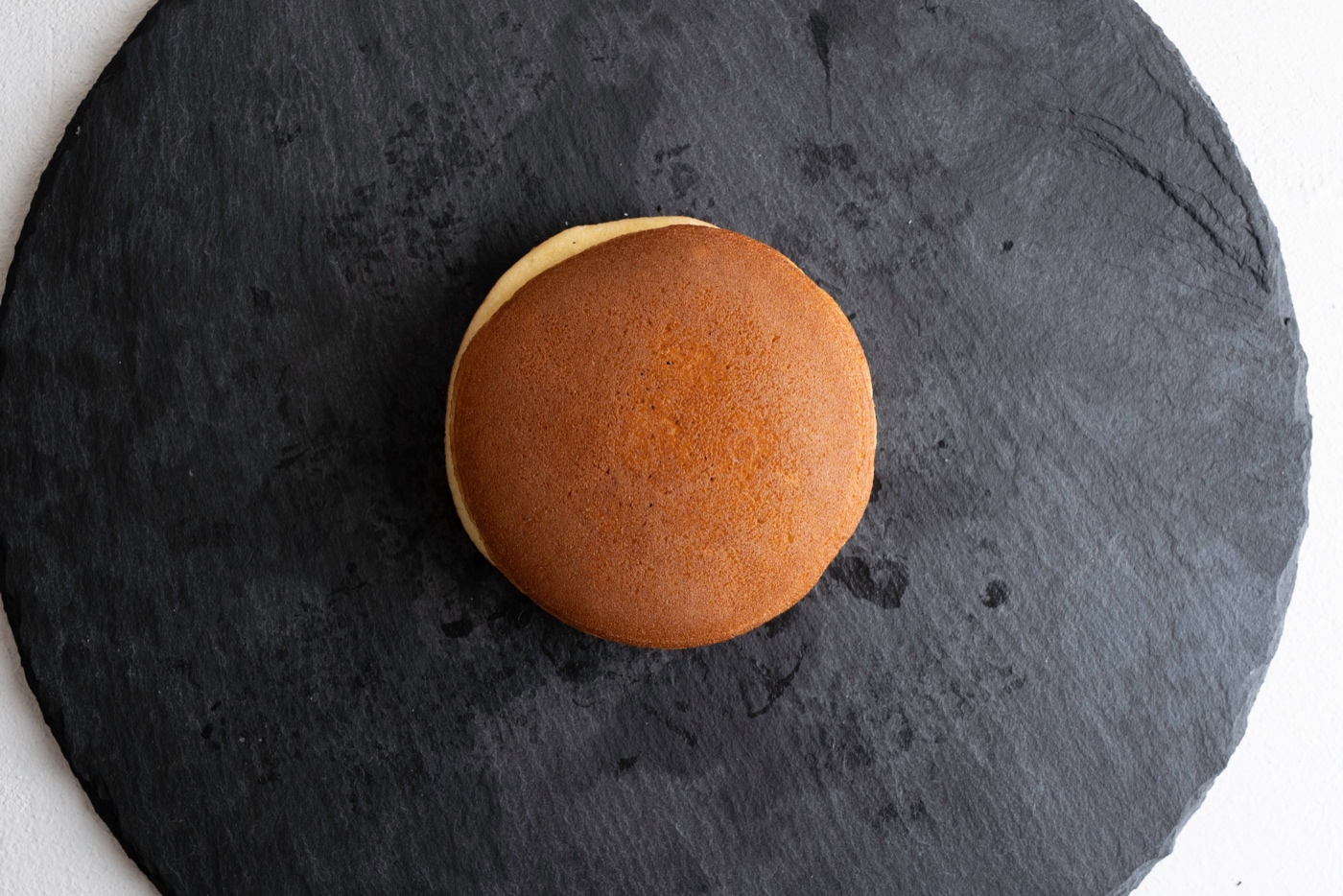
Whether you are planning a trip to Japan, craving a taste of the famous pancake sandwich from Doraemon, or simply wondering what dorayaki costs at your local Asian grocery store, this guide covers everything you need to know about dorayaki prices — in Japan and around the world.
Quick Answer: How Much Does Dorayaki Cost?
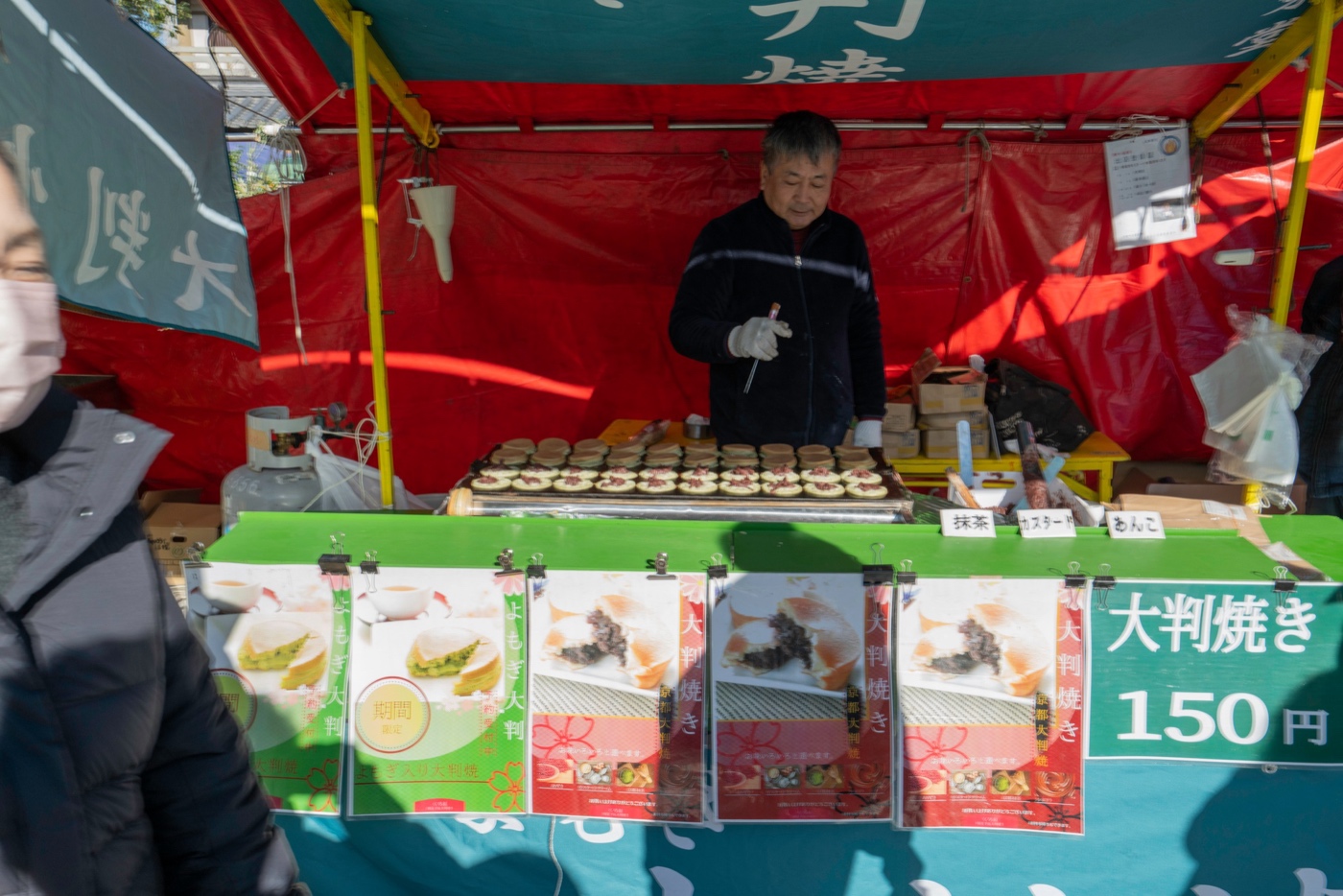
In Japan, dorayaki typically costs ¥100–¥400 (approximately $0.70–$3.00 USD) depending on where you buy it. Convenience store dorayaki starts around ¥100–¥150, while famous specialty shops like Kamejū in Asakusa charge up to ¥360 per piece. Outside Japan, packaged dorayaki costs $3–$8 for a multi-pack at Asian grocery stores.
Dorayaki Prices in Japan — Detailed Breakdown
Dorayaki is one of Japan’s most affordable traditional sweets. Here is what you can expect to pay depending on where you shop.
Convenience Stores (7-Eleven, Lawson, FamilyMart)
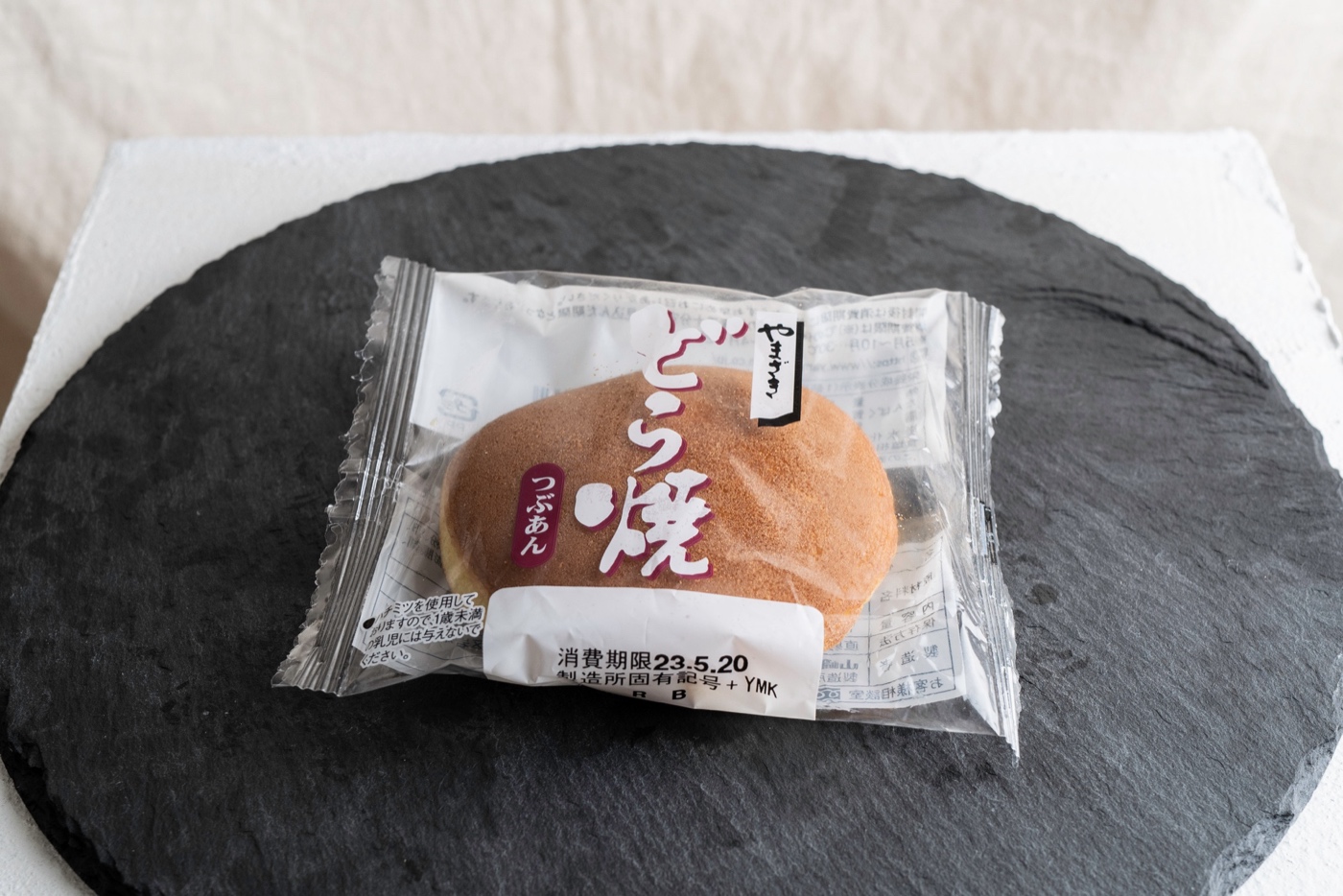
The cheapest option for dorayaki in Japan. Pre-packaged dorayaki at any konbini costs ¥100–¥150 (~$0.70–$1.00). These are factory-made by brands like Yamazaki or Imuraya and available 24 hours a day, making them the perfect budget snack after a long day of sightseeing. The quality is surprisingly decent — soft pancakes with sweet red bean (anko) filling.
Supermarkets
Japanese supermarkets offer both individual dorayaki and multipacks. A single piece runs ¥100–¥200, while multipacks of 4–6 pieces cost ¥200–¥500. Supermarkets often carry regional brands and seasonal flavors you will not find at convenience stores. Check the wagashi section near the bakery aisle.
Specialty and Artisan Shops
This is where dorayaki gets interesting. Handmade dorayaki from established wagashi shops costs ¥150–¥360 per piece. The price reflects freshly made pancakes, carefully prepared anko from premium azuki beans, and recipes passed down through generations. Many of Tokyo’s best dorayaki shops have been operating for over a century.
Department Store Gift Sets (Omiyage)
Beautifully boxed dorayaki sets, sold in the basement food halls (depachika) of department stores like Isetan, Mitsukoshi, and Takashimaya, cost ¥1,000–¥3,000+ for 5–10 pieces. These are designed as gifts and come in elegant packaging. If you are looking for a premium Japanese souvenir to bring home, a boxed dorayaki set is a classic choice.
Famous Dorayaki Shops in Tokyo & Their Prices
Tokyo is home to four legendary dorayaki shops, each with decades of history and fiercely loyal customers. Here is how their prices compare.
Usagiya (Ueno)
Price: ~¥205 per piece. Founded in 1913, Usagiya is often considered the gold standard for dorayaki in Tokyo. The pancakes are exceptionally soft and fluffy, and the anko is made fresh daily from Hokkaido azuki beans. Located a short walk from Ueno-Hirokoji Station, it is an easy stop if you are visiting Ueno Park or Ameyoko market. Open 9:00–18:00, closed Wednesdays. Google Maps
Kamejū (Asakusa)
Price: ¥360 per piece — the most expensive among Tokyo’s famous four. Kamejū makes only about 3,000 dorayaki per day and frequently sells out before noon. The higher price reflects the shop’s use of premium ingredients and its legendary status. If you want to try Kamejū, arrive early — expect a 10-minute wait on weekdays, 20–30 minutes on weekends. It is located directly across from Kaminarimon Gate, so you can combine it with a visit to Senso-ji temple. Open 10:00–20:30. Google Maps
Sōgetsu (Higashi-Jūjō)
Price: ~¥120 per piece. The best value among Tokyo’s famous dorayaki shops. Their signature product, called Kuromatsu, features a slightly darker pancake made with brown sugar and honey — no coloring or preservatives. At roughly a third of Kamejū’s price, Sōgetsu proves that excellent dorayaki does not have to be expensive. A 1-minute walk from the south exit of Higashi-Jūjō Station (JR Keihin-Tōhoku line). Google Maps
Seijū-ken (Nihonbashi)
Price: ¥200–¥220 per piece (Ōban and Koban sizes). Seijū-ken has been making dorayaki since 1861, making it the oldest of the four shops. They offer two sizes — the larger Ōban and smaller Koban — which is useful if you want a lighter snack. The dorayaki sells out fast; reservations are available for afternoon pickup (12:00–16:00). Near Ningyocho and Kodemmacho stations. Google Maps
Price Comparison Table
| Shop | Location | Price per Piece | What Makes It Special |
|---|---|---|---|
| Usagiya | Ueno | ~¥205 | Fluffy pancakes, fresh Hokkaido anko, est. 1913 |
| Kamejū | Asakusa | ¥360 | Only 3,000/day, sells out by noon, premium ingredients |
| Sōgetsu | Higashi-Jūjō | ~¥120 | Best value, distinctive “Kuromatsu” brown sugar flavor |
| Seijū-ken | Nihonbashi | ¥200–¥220 | Oldest shop (est. 1861), two sizes available |
Where to Buy Dorayaki Outside Japan
If you are searching for “dorayaki near me,” you are not alone — it is one of the most common dorayaki-related searches worldwide. Here is where to find it outside Japan.
Asian Grocery Stores
Your best bet for finding dorayaki locally. Most well-stocked Asian supermarkets carry packaged Japanese dorayaki from brands like Shirakiku, Meiji, and Hapi. Expect to pay $3–$8 for a pack of 5–6 pieces. Stores like H Mart, 99 Ranch, and local Japanese or Korean grocery stores typically stock them in the snack or frozen section.
Online Retailers
Amazon, Weee!, and specialty Japanese food sites carry a wide range of dorayaki. Prices run $5–$18+ depending on brand, quantity, and shipping. Frozen dorayaki from Japanese brands tends to be closer to the authentic taste. Look for brands imported directly from Japan rather than locally manufactured versions.
Japanese Bakeries in Major Cities
Cities with significant Japanese communities — London, New York, Los Angeles, Sydney, Paris, Singapore — often have Japanese bakeries that make fresh dorayaki. Prices typically range from $2–$5 per piece. The texture and flavor of freshly made dorayaki is vastly better than packaged versions, so if you have a Japanese bakery nearby, it is worth the trip.
Making Your Own
If you cannot find dorayaki locally, it is one of the easiest Japanese sweets to make at home. The batter is simple — flour, eggs, sugar, honey, and baking soda — and canned anko (red bean paste) is available at most Asian grocery stores. See our dorayaki recipe guide for step-by-step instructions.
Dorayaki vs Other Japanese Sweets — Price Comparison
Wondering how dorayaki stacks up against other popular Japanese treats? Here is a quick comparison of prices you will find in Japan.
| Sweet | Typical Price (Japan) | Description |
|---|---|---|
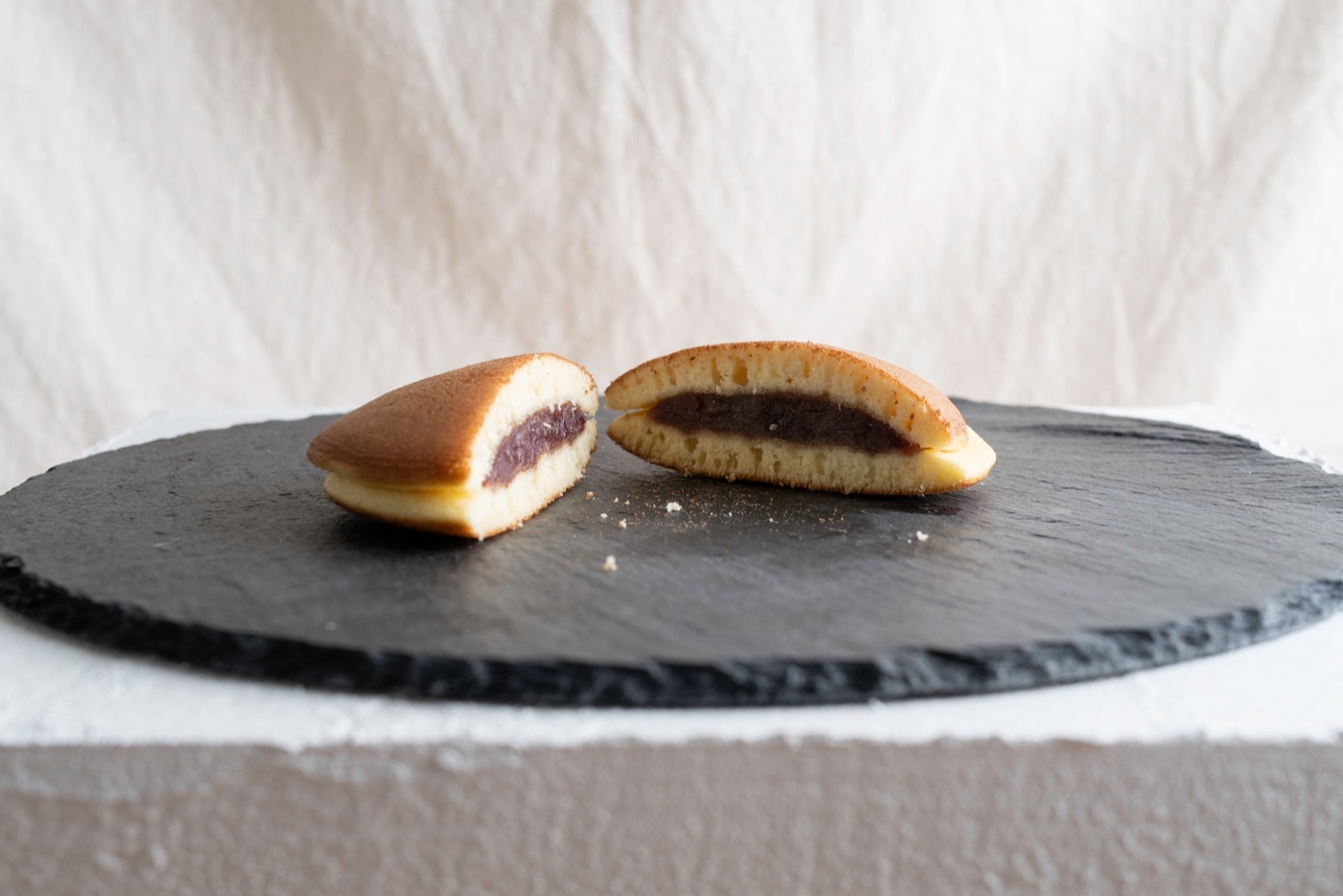
| Dorayaki | ¥100–¥360 | Two pancakes with anko filling |
| Taiyaki | ¥150–¥300 | Fish-shaped cake with anko or custard |
| Mochi | ¥100–¥300 | Pounded rice cake, various fillings |
| Daifuku | ¥150–¥350 | Mochi stuffed with anko or fruit |
Dorayaki sits at the affordable end of the spectrum. At convenience store prices (¥100–¥150), it is one of the cheapest traditional Japanese sweets you can buy. For a detailed comparison of dorayaki and its closest rival, see our guide to dorayaki vs taiyaki.
Tips for Getting the Best Dorayaki Value
Start at a convenience store. If you have never tried dorayaki, a ¥100 konbini version is the perfect low-risk introduction. Available at literally every 7-Eleven, Lawson, and FamilyMart in Japan.
Visit specialty shops on weekdays. Famous shops like Usagiya and Kamejū draw long weekend queues. Weekday mornings are much quieter, and the dorayaki is just as fresh.
Explore depachika for premium options. The basement food floors of Japanese department stores are treasure troves of high-end wagashi, including dorayaki. Great for gift shopping.
Try seasonal flavors. Spring brings sakura (cherry blossom) dorayaki, autumn features kuri (chestnut), and matcha versions are available year-round. Seasonal varieties may cost ¥50–¥100 more but offer unique flavors you cannot get at other times.
Fresh always beats packaged. The difference between a freshly made dorayaki from a specialty shop and a convenience store version is dramatic — softer pancakes, richer anko, better texture overall. If you are in Tokyo, at least one visit to Usagiya or Sōgetsu is worth it.
For more on this beloved Japanese sweet — its history, regional variations, and the surprising range of dorayaki fillings beyond traditional anko — explore our complete guide to dorayaki in Japan.