A Residential Pocket in Sumida Ward
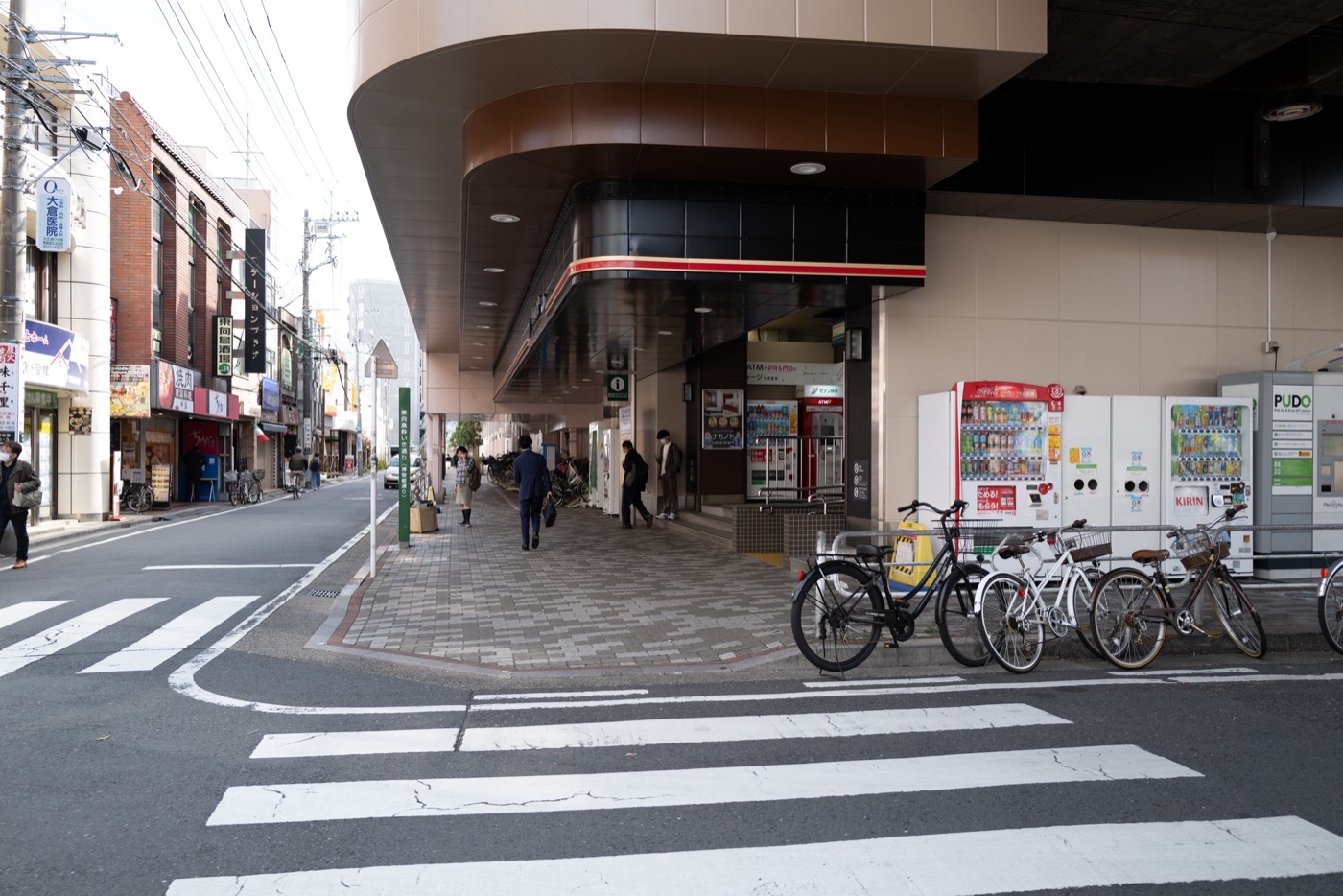
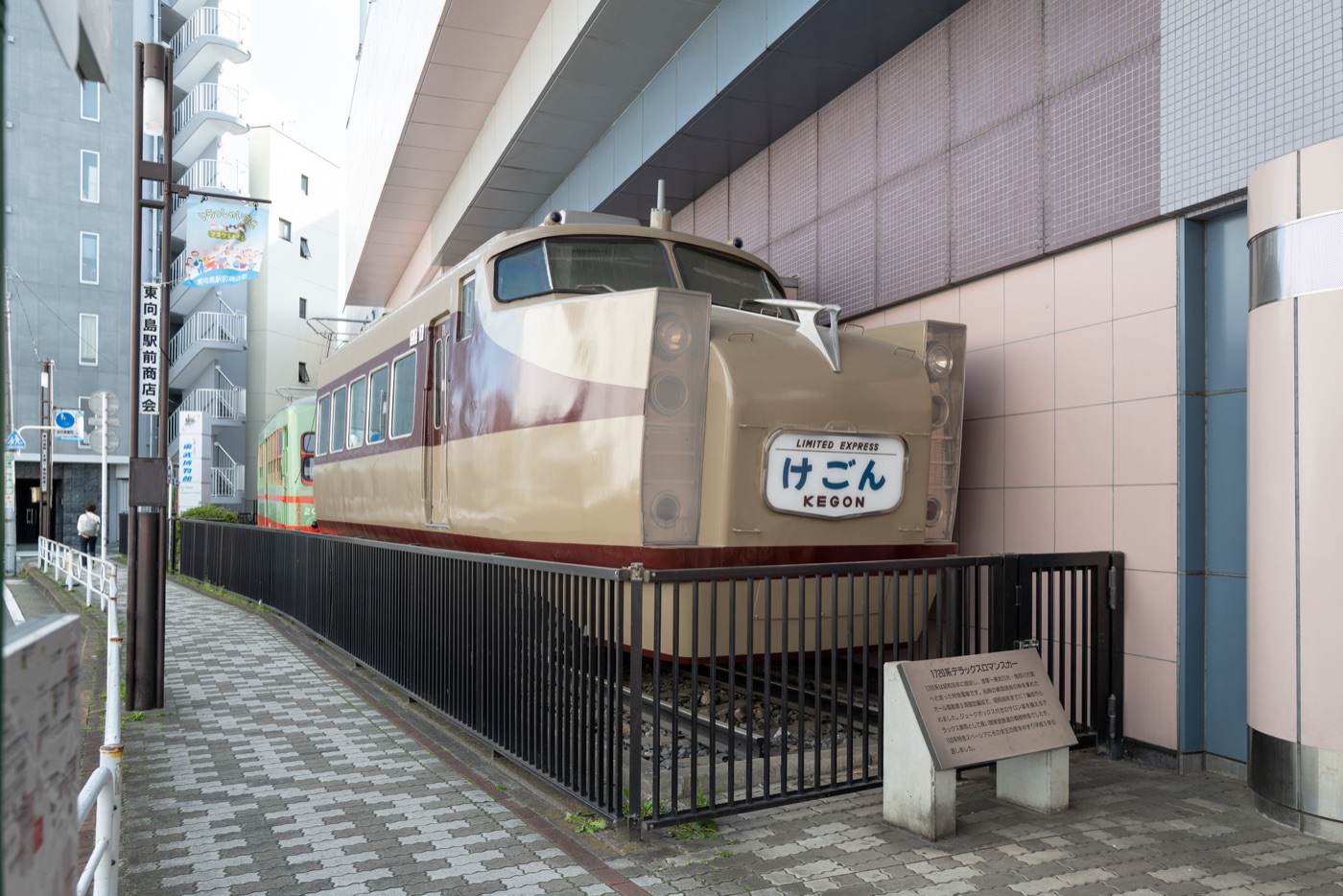
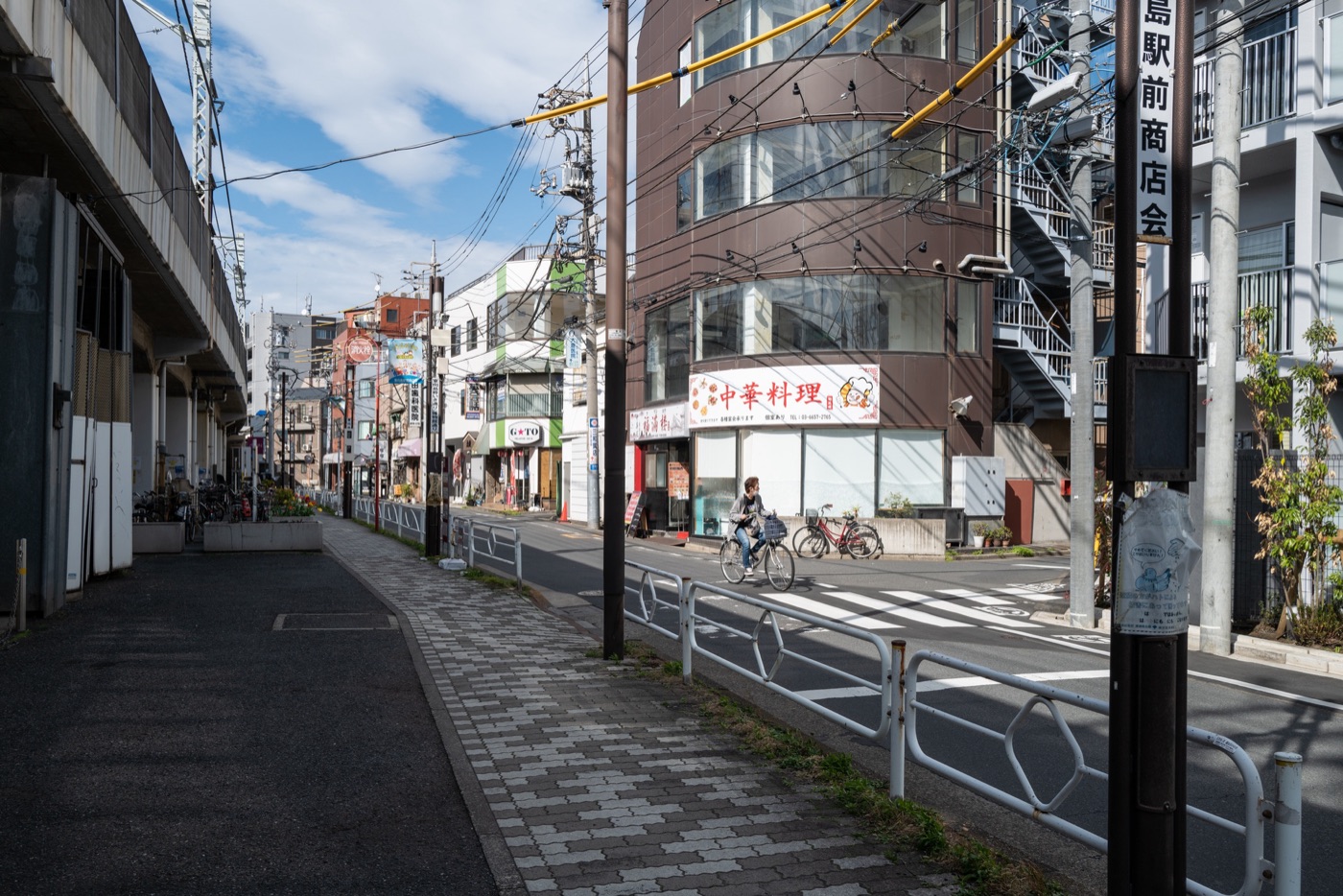
Higashi-Mukojima sits in the northern part of Sumida ward, a few stops north of Asakusa on the Tobu Skytree Line. It is the kind of neighborhood that most visitors never see — a dense grid of residential streets where daily life unfolds without any awareness of tourism. Small houses with potted plants crowding their entrances line narrow lanes barely wide enough for a single car. Elderly residents chat with shopkeepers at family-run stores that have occupied the same storefronts for decades. The pace here is unhurried, and the atmosphere belongs to a Tokyo that predates the city’s relentless modernization. For travelers interested in what lies beyond the guidebook circuits, Higashi-Mukojima rewards a slow, observant walk.
Architectural Character
What distinguishes Higashi-Mukojima visually is its architectural texture. Unlike neighborhoods rebuilt entirely in concrete after the war, pockets of older wooden construction survive here — two-story houses with sliding doors, tiled roofs, and small gardens visible through latticed fences. These sit alongside postwar apartment blocks and the occasional modern infill building, creating a layered streetscape that records decades of incremental change. Some houses bear the distinctive features of early Showa-era construction: narrow facades, steep staircases visible through windows, and hand-painted signage that has faded to near-illegibility. Architecture enthusiasts will find more variety per block here than in many of Tokyo’s more celebrated neighborhoods, precisely because Higashi-Mukojima has not been subject to large-scale redevelopment.
Local Life and Community Events
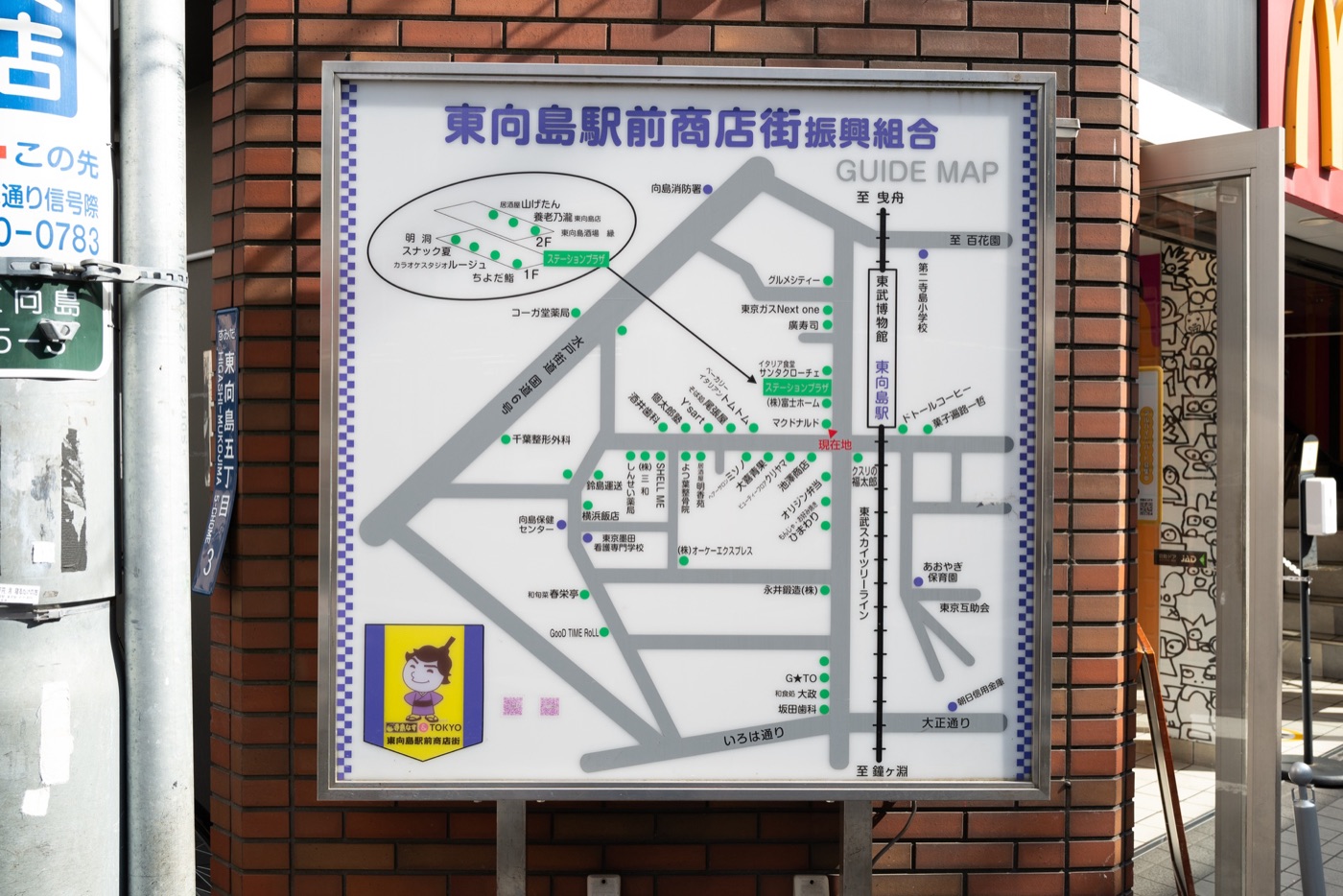
The rhythm of Higashi-Mukojima is defined by its residents rather than its visitors. Morning brings the sound of shopkeepers sweeping sidewalks and the arrival of delivery trucks navigating impossibly tight corners. Small shotengai (covered shopping streets) serve the daily needs of the community — fishmongers, rice shops, tofu makers, and the occasional century-old wagashi confectioner. Local festivals punctuate the calendar, with neighborhood associations organizing summer bon odori dances and autumn matsuri that temporarily fill the quiet streets with lanterns, taiko drums, and food stalls. These events are organized by and for residents, which gives them an authenticity that larger, tourist-oriented festivals sometimes lack. Joining in is welcome, and the atmosphere is warm and inclusive.
Proximity to Tokyo Skytree
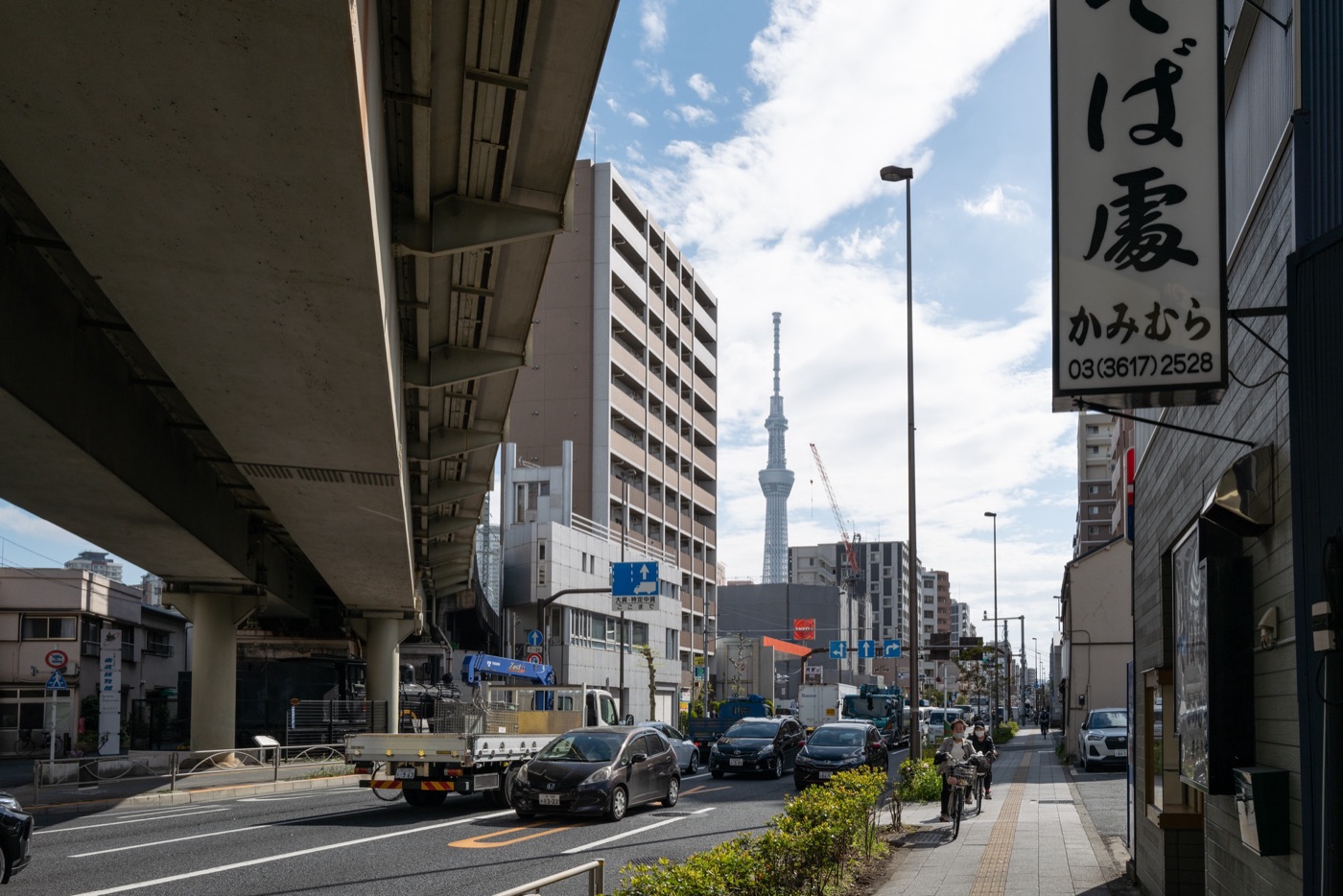
Despite its quiet residential character, Higashi-Mukojima lies remarkably close to one of Tokyo’s most prominent landmarks. Tokyo Skytree, the 634-meter broadcasting tower and observation deck, is visible from many streets in the neighborhood, its silhouette rising above the low rooftops. The walk from Higashi-Mukojima to the base of Skytree takes roughly twenty minutes and passes through a landscape that transitions gradually from old shitamachi residential streets to the commercial zone surrounding the tower. This contrast is itself part of the appeal — you can begin a morning in a neighborhood that feels like 1970s Tokyo and end it at a symbol of twenty-first-century ambition without ever boarding a train.
The Shitamachi Atmosphere
Higashi-Mukojima belongs to the broader cultural zone known as shitamachi, the “low city” of eastern Tokyo where merchants, artisans, and working-class families have lived for centuries. Shitamachi neighborhoods share certain qualities: a directness in social interaction, a lack of pretension, a deep attachment to local traditions, and a physical density that forces intimacy between neighbors. Higashi-Mukojima embodies these qualities without self-consciousness. There are no signs announcing its character, no curated walking tours, and no cafes marketing themselves as “shitamachi chic.” What you find instead is a neighborhood being itself — aging gracefully, maintaining its rhythms, and offering visitors the rare experience of seeing Tokyo as a place where people simply live. The nearest station is Higashi-Mukojima on the Tobu Skytree Line, just two stops from Asakusa.