A Neighborhood That Defies Tokyo Norms
In a city defined by precision and commercial scale, Shimokitazawa stands apart. Located in Setagaya Ward, just minutes by train from Shibuya and Shinjuku, this compact neighborhood operates by its own logic. The streets are narrow and irregular, the buildings low-rise, and the energy comes from musicians, actors, vintage dealers, and small-business owners who value character over convenience. Often shortened to Shimokita by locals, the area has long functioned as Tokyo’s bohemian quarter.
Vintage Shopping and Thrift Culture
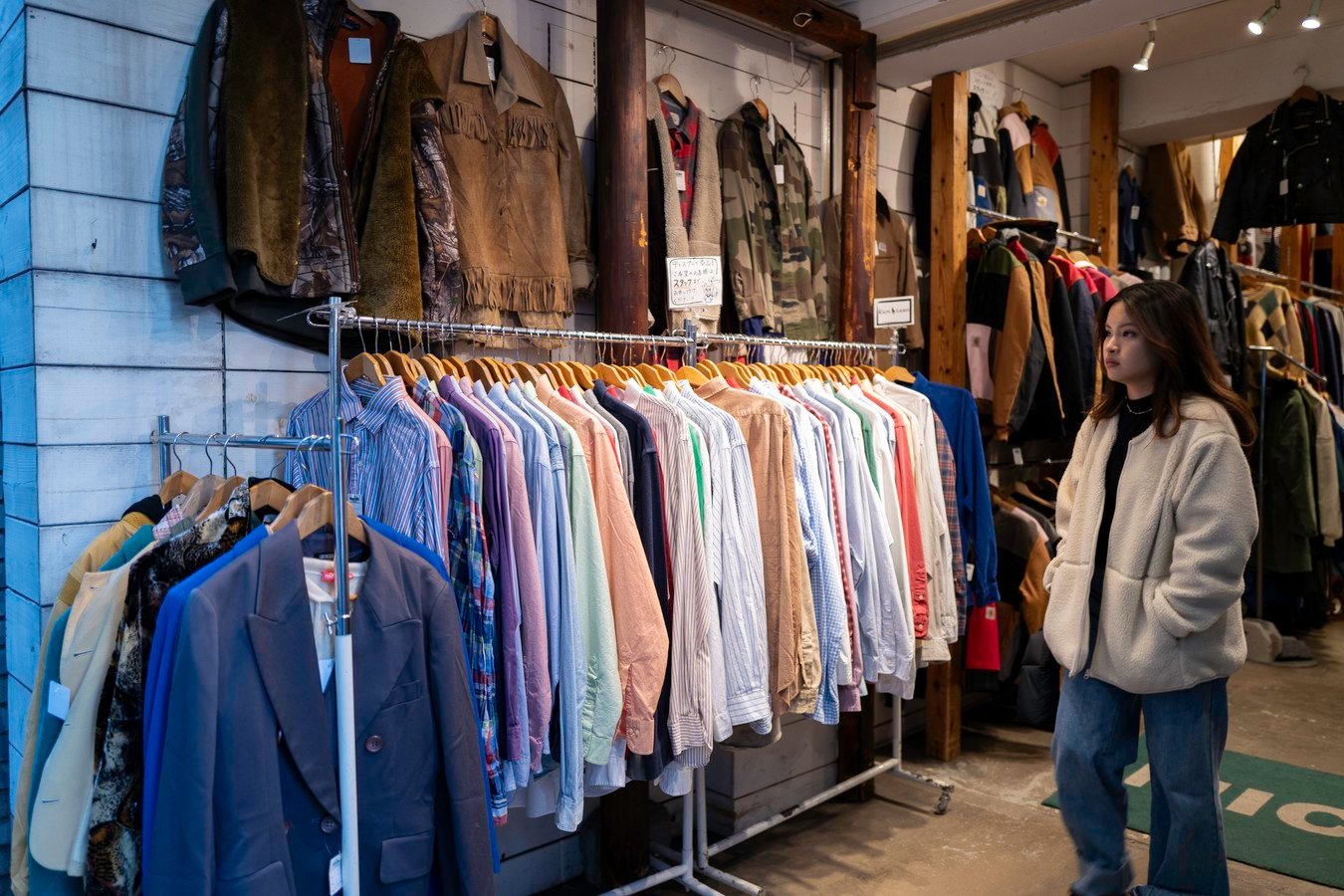
The neighborhood is arguably Tokyo’s best destination for vintage and secondhand clothing. Dozens of shops line the narrow streets, ranging from carefully curated boutiques with hand-selected American and European imports to chaotic thrift stores where patience is rewarded. Shops around the south exit specialize in specific eras or styles — 1970s Americana, workwear, military surplus, or designer labels from past decades. Unlike the polished retail environments of Omotesando or Ginza, shopping here feels personal and exploratory.
Independent Theater and Live Music
Shimokitazawa has been the center of Tokyo’s small theater (shogekijo) movement since the 1980s. The Honda Theatre helped establish the area as a proving ground for independent playwrights, and several other small theaters stage experimental drama, comedy, and improv. The live music scene is equally vital, with intimate venues hosting nightly shows across genres — indie rock, jazz, folk, and electronic. Cover charges typically range from 1,500 to 3,000 yen, usually including one drink.
The Curry Scene
One of Shimokitazawa’s distinctive culinary identities is its concentration of curry restaurants. The neighborhood hosts an annual curry festival drawing participants from dozens of local shops. Styles range from Japanese curry rice to South Indian, Thai, and fusion interpretations. Beyond curry, the food scene includes izakayas, ramen shops, craft beer bars, and bakeries, most independently operated and reflecting the neighborhood’s preference for personality over brand recognition.
Bonus Track and the New Shimokitazawa
Following the undergrounding of the Odakyu rail line, Bonus Track opened in 2020 as a low-rise commercial development that consciously preserves Shimokitazawa’s independent spirit. The complex houses small bookshops, record stores, cafes, and co-working spaces arranged around a shared courtyard. Its tenants are the same kinds of owner-operated businesses that define the surrounding streets, and the development has been largely well-received as a model for thoughtful neighborhood evolution.
Weekend Markets and Street Life
On weekends, the neighborhood’s energy intensifies. Flea markets and pop-up events appear in parking lots and open spaces, selling handmade goods, vintage clothing, and zines. Street musicians set up near the station exits, and the narrow lanes fill with students, artists, and visitors. The best way to experience Shimokitazawa is simply to walk — turning down unmarked side streets, stepping into basement shops, sitting at a counter bar with four stools. The appeal lies in accumulation: the sense of a place that has chosen to remain itself.