Category: Kyoto

  • Travel Light: Yamato’s Same-Day Luggage Delivery

    Yamato Same-Day Delivery Service

    Traveling in Japan is easier with Yamato’s luggage delivery service. Skip the hassle of carrying bags from airports or stations to hotels and enjoy a hands-free experience.

    How It Works

    1. Find a Service Counter: Locate a Yamato luggage delivery counter. Business hours and fees may vary, so check details in advance.

    2. Fill Out the Form: Complete the same-day delivery form and make payment at the counter.

    3. Send Your Baggage: Drop off your luggage and proceed to sightseeing comfortably without the burden of carrying bags.

    4. Receive Your Luggage: Your baggage will arrive at your designated location on the same day. Delivery time depends on the area.

    Why Choose This Service?

    Arriving at Haneda Airport, you can send your bags directly to your hotel, saving time and energy for sightseeing. Your luggage will be waiting for you when you check in, making your trip efficient and enjoyable.

    Service Fees Examples

    Tokyo: Delivery within the 23 wards from Haneda Airport costs 4,610 yen/piece (160 size).

    Kyoto: Delivery within Kyoto city from Kyoto Station costs 2,910 yen/piece (160 size).

  • Toji Temple: Kyoto’s Historic Guardian

    Historical Significance of Toji Temple

    Founded in 796, Toji Temple, or Kyō-ō-gokoku-ji, stands as a testament to Kyoto’s history. Originally built to guard the capital, it gained prominence when Kobo Daishi, the founder of Shingon Buddhism, became its head priest in 830. The temple’s five-story pagoda, built in 826, remains Japan’s tallest wooden pagoda and a symbol of Kyoto’s heritage.

    Architectural Highlights

    Toji Temple features several National Treasures, including the Lotus Flower Gate, Golden Hall, and the pagoda. The Kondo Hall, rebuilt after a fire in 1486, houses the Yakushi Buddha statue, while the Kodo Hall contains 21 ancient Buddhist statues. The pagoda, rebuilt in 1643, offers a stunning view and is visible from the Shinkansen.

    Events and Seasonal Attractions

    The temple hosts the monthly Kobo-ichi flea market on the 21st, transforming the serene grounds into a bustling hub of textiles, ceramics, and antiques. During spring and autumn, the gardens are adorned with cherry blossoms and colorful leaves, complemented by special night illuminations.

    Visitor Experience

    Open year-round, Toji Temple offers access to its Kondo and Kodo halls with general admission. The grounds are accessible by foot from Kyoto Station (15 minutes) or via nearby train stations and bus stops. The Homotsukan treasure hall, open twice yearly, showcases artifacts like the Ryokai Mandala and letters by Kobo Daishi.

    Cultural Impact

    Designated a UNESCO World Heritage Site in 1994, Toji Temple remains a vital cultural and spiritual landmark. Its historical and architectural significance attracts visitors worldwide, blending ancient traditions with modern accessibility.

  • Kyoto Station: Modern Architecture and Transit Hub

    An Overview of Kyoto Station

    Kyoto Station is one of Japan’s largest and most modern train stations, located in the heart of Kyoto. Designed by architect Hiroshi Hara, its futuristic structure opened in 1997 to celebrate Kyoto’s 1200th anniversary. The station’s bold design contrasts beautifully with the city’s traditional image, blending modernity with historical inspiration.

    Transportation Hub

    Kyoto Station serves as a vital transportation hub for the region. It is connected to multiple rail lines, including the high-speed Tokaido Shinkansen, Japan Railways, Kintetsu Railway, and the Karasuma Subway Line. Additionally, the station features a large bus terminal for city buses, long-distance routes, and overnight highway buses, linking Kyoto to destinations like Osaka, Tokyo, and Nara.

    Amenities and Attractions

    Beyond transit, Kyoto Station is a destination in itself. The 15-story building includes a shopping mall, hotel, movie theater, department store (Isetan), and a variety of restaurants. Visitors can enjoy convenient facilities such as tourist information centers, luggage storage, and an observation deck that provides stunning views of the city.

  • Kimono Rental Experience in Kyoto

    Kimono Rental Experience in Kyoto

    Kimono Rental in Kyoto

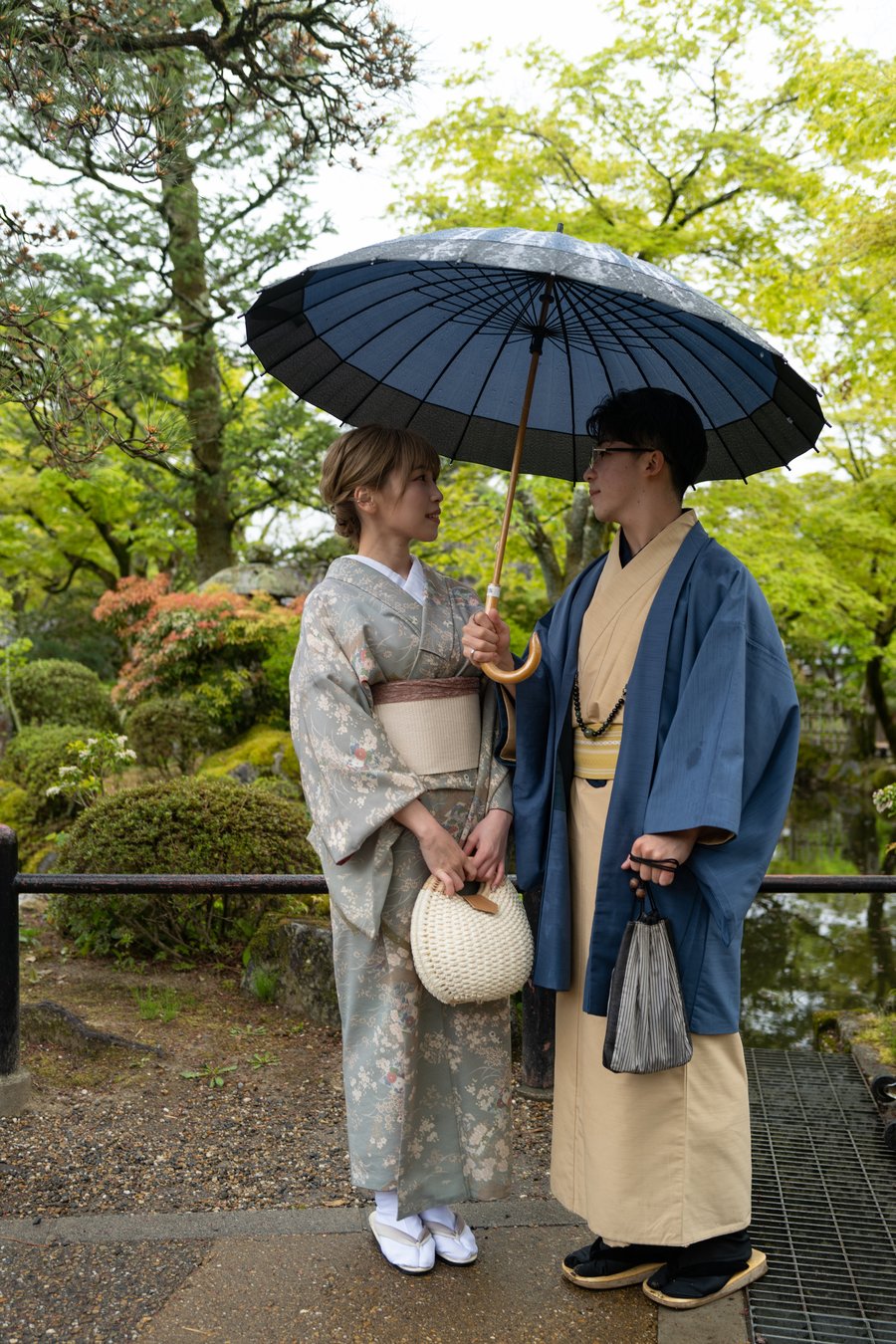
    Kyoto, Japan’s former capital, is famous for its traditional temples and shrines. Wearing a kimono while exploring these cultural landmarks adds an extra layer of authenticity to your visit and makes for stunning photo opportunities.

    The Cultural Appeal

    Walking through Kyoto’s historic streets in a kimono not only enhances the experience but also connects you to Japan’s rich heritage. Many visitors choose to dress up for iconic spots like Kiyomizu-dera, Fushimi Inari Taisha, or Arashiyama.

    How It Works

    Kimono rental services in Kyoto typically offer a wide selection of styles, patterns, and accessories. They provide professional dressing assistance to ensure the outfit is worn properly, and rental packages often include hairstyling to complete the look.

    Tips for Your Kimono Experience

    Choose a rental service close to your destination for convenience. Be sure to book in advance during peak seasons like spring (cherry blossoms) or autumn (maple leaves). Walking in traditional wooden sandals (geta) may take some practice, so allow time to adjust.

    Introduction to Kimono Rental Service in Kyoto

    RIKAWAFUKU is a Kyoto-based kimono rental service. They offer many kimono styles (including yukata, homongi, furisode, and hakama), hairstyling, and professional dressing assistance at multiple convenient locations, for tourists to enjoy the traditional japanese dress while exploring the city.

  • Ryoan-ji: Kyoto’s Zen Rock Garden

    Ryoan-ji: Kyoto’s Zen Rock Garden

    The Zen Rock Garden

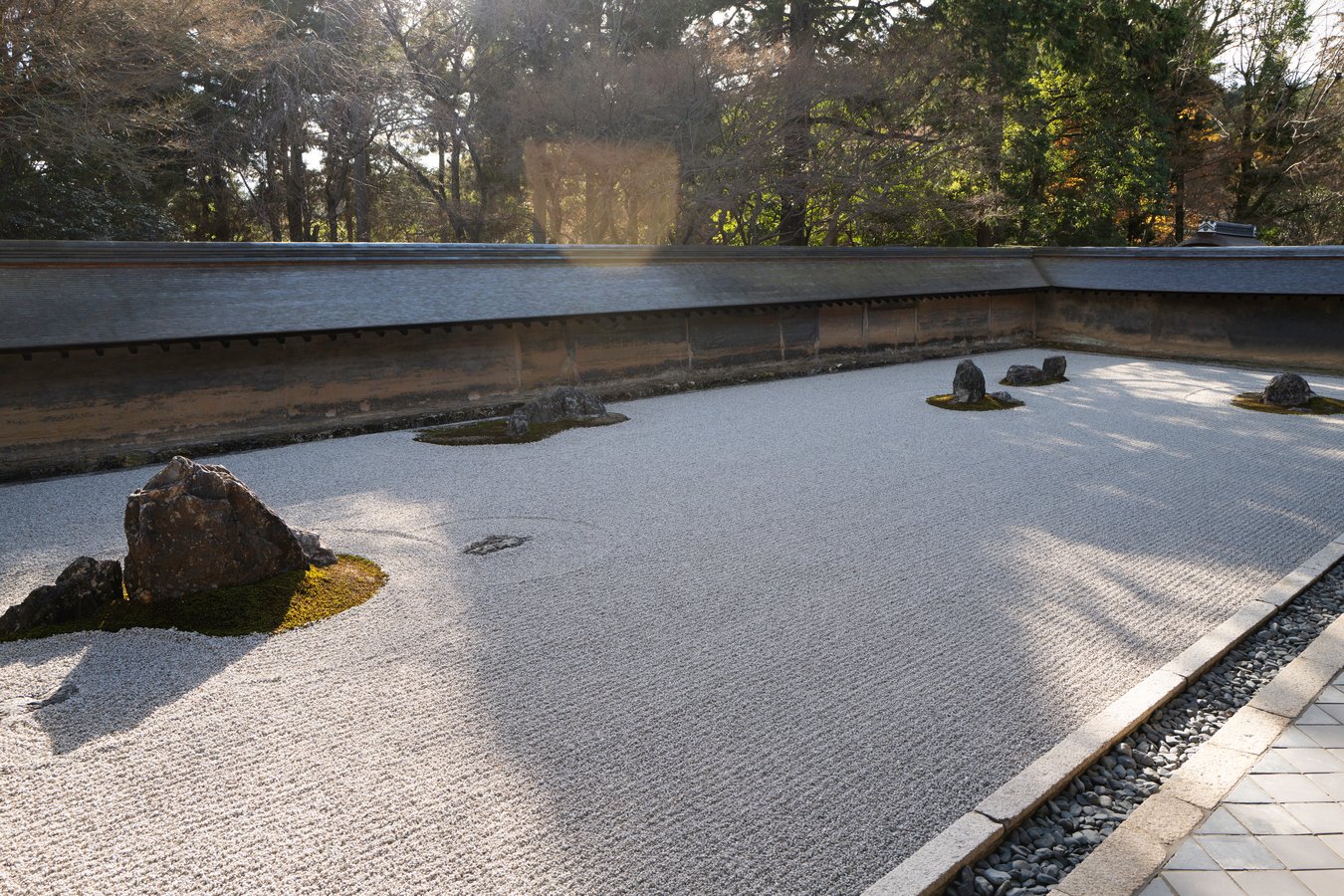
    Ryoan-ji Temple is celebrated for its Zen rock garden, a flat “hiraniwa” design without hills or ponds. The garden features fifteen rocks arranged to appear as if they float on raked white gravel. Notably, visitors can never see all fifteen rocks at once, adding an air of mystery.

    Zen Principles in Design

    Symbolizing simplicity and harmony, the garden reflects the essence of Zen meditation. Guests are invited to sit on the viewing platform to quietly reflect, interpreting the garden in their own way.

    Exploring Ryoan-ji’s Grounds

    Beyond the rock garden, the temple grounds feature lush landscapes with trees, moss, and the serene Kyoyo-chi Pond. The pond is particularly stunning in autumn, offering a tranquil walk amidst nature before returning to the garden.

    Historical Mystery

    Constructed in 1450 by Daimyo Hosokawa Katsumoto, the temple’s rock garden origins remain unknown. Neither the designer nor the garden’s intended meaning is confirmed, inviting visitors to uncover their own interpretations.

  • Katsura Imperial Villa: A Timeless Architectural Marvel

    Katsura Imperial Villa: A Timeless Architectural Marvel

    The Elegance of Katsura Imperial Villa

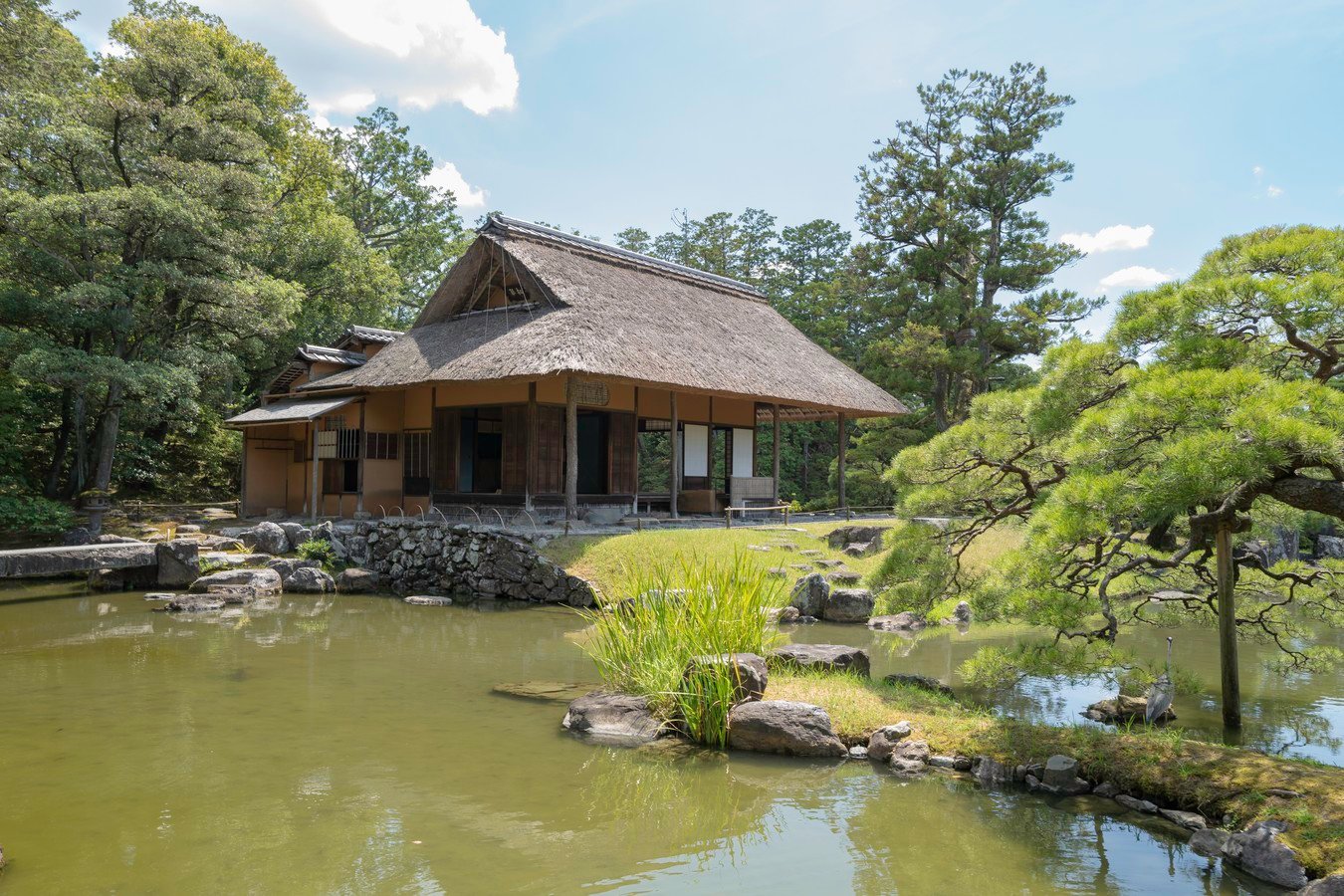
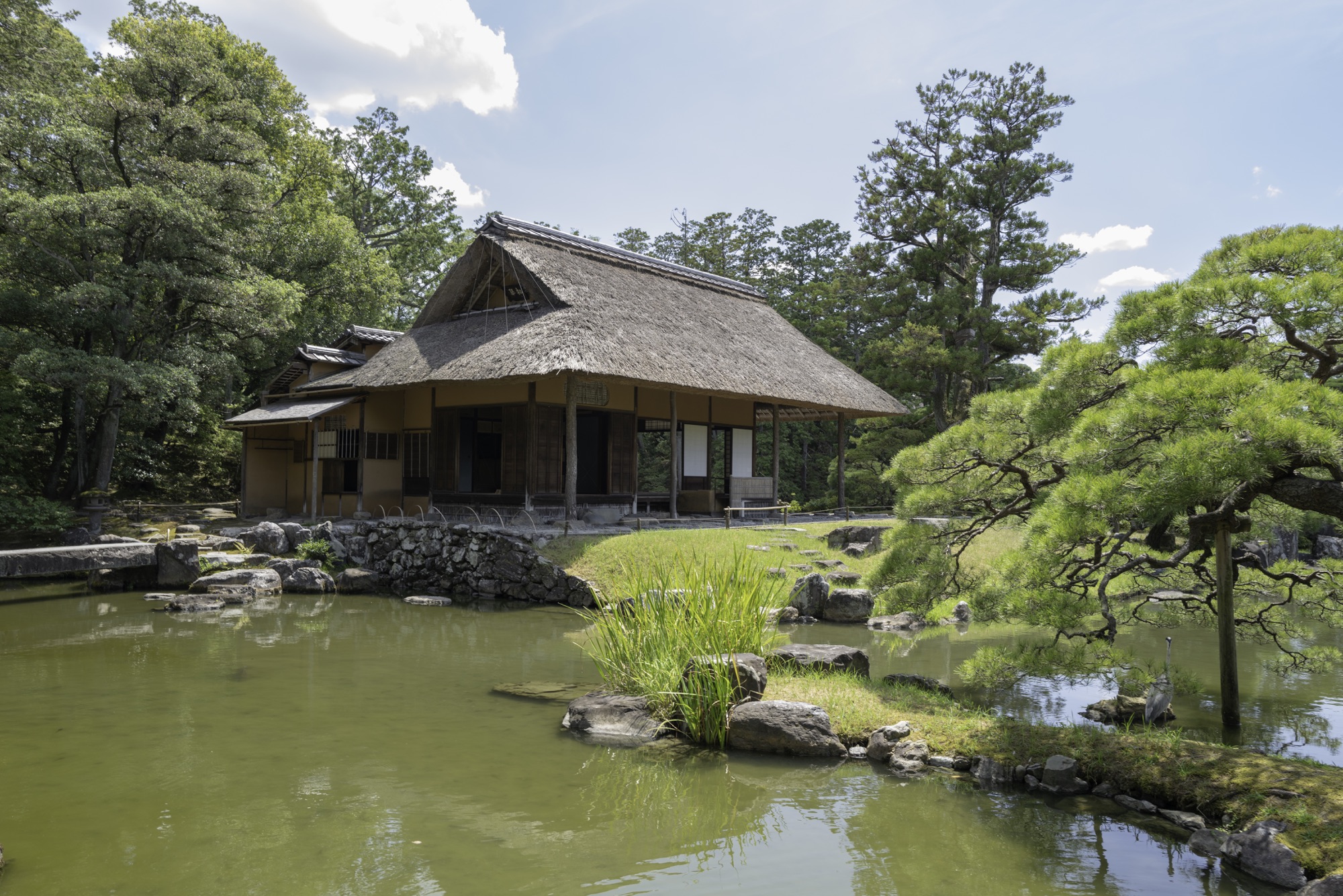
    Built in the 17th century for the imperial family, Katsura Imperial Villa is a landmark of Japanese architecture and landscaping. The immaculately designed grounds, complete with picturesque teahouses, reflect serene artistry and intricate craftsmanship.

    Hidden Treasures in the Gardens

    The villa features four distinct teahouses, each embodying unparalleled architectural mastery. Walking along the villa’s strolling path, visitors encounter finely crafted lanterns and hand washbasins, enriching the visual experience. A pre-booked tour is essential to explore this tranquil retreat.

    Harmony of Design and Nature

    Globally admired, Katsura Imperial Villa blends its expansive garden with the teahouses’ architectural elegance. The central pond, framed by arched bridges and small islands, was historically enjoyed from a boat, immersing visitors in a serene natural ambiance.

    Seasonal Beauty and Wabi-Sabi Aesthetic

    The villa captures the changing seasons, highlighting the wabi-sabi aesthetic of simplicity and natural harmony. Key features like the tsukiyama hill, six unique buildings, and the interplay of stone, wood, and water create a composition of timeless beauty.

    An Essential Destination for Art Lovers

    Katsura Imperial Villa offers a unique experience for enthusiasts of Japanese traditional art and architecture. Tours emphasize the estate’s exclusivity, showcasing intricate details such as paving stones and stone lanterns. Every visit reveals a new facet of Japanese artistry.

  • Arashiyama Bamboo Path: Kyoto’s Tranquil Escape

    Arashiyama Bamboo Path: Kyoto’s Tranquil Escape

    The Beauty of Arashiyama Bamboo Path

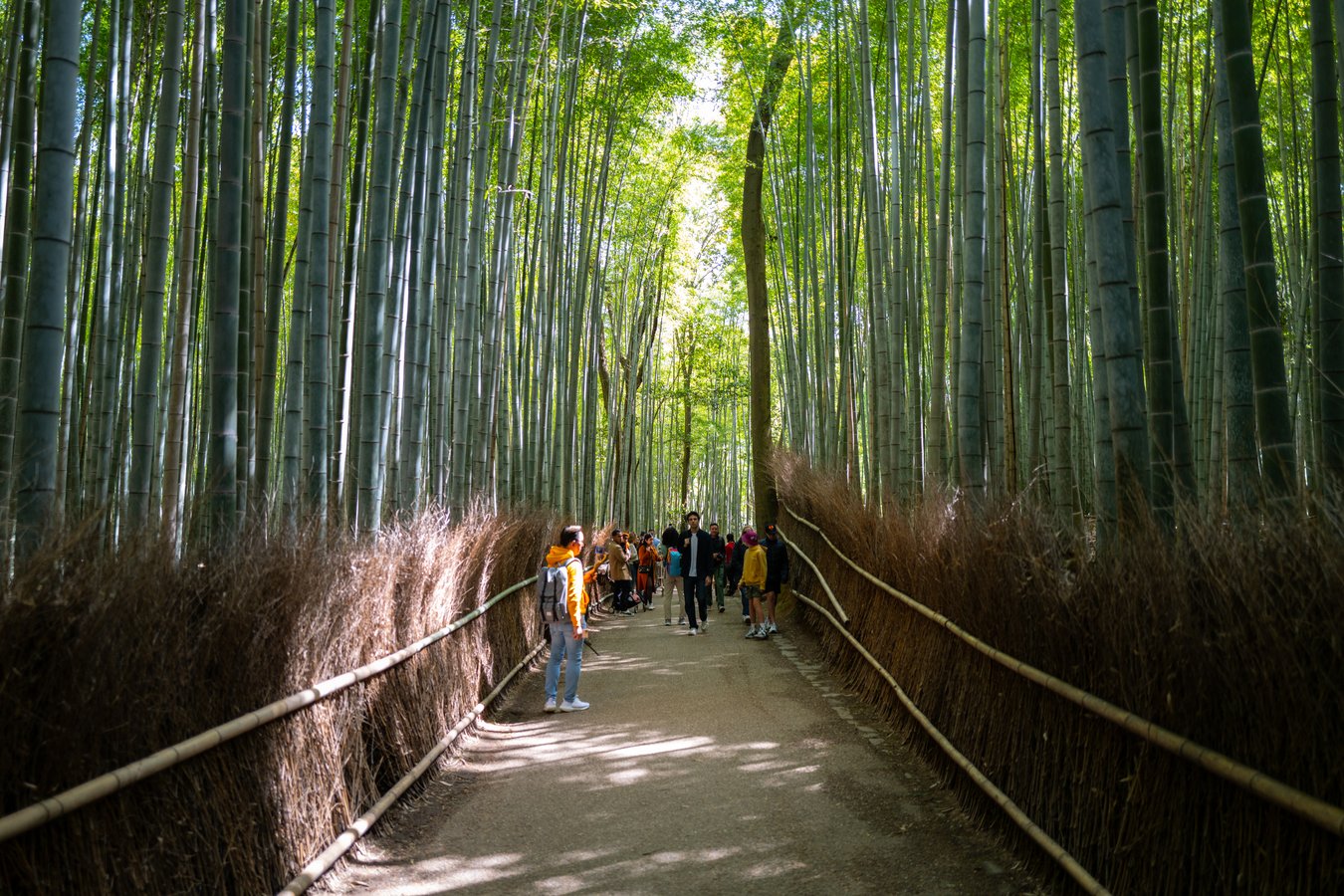
    The Arashiyama Bamboo Path offers a serene retreat from city life. This 500-meter stretch of towering bamboo trees creates a peaceful and picturesque atmosphere, making it a favorite among photography enthusiasts and nature lovers.

    A Blend of Nature and Culture

    Located in Kyoto’s historic Arashiyama district, the path provides access to Kyoto’s cultural heritage. Nearby landmarks include Tenryu-ji Temple, a UNESCO World Heritage Site, and traditional gardens like the renowned Sagano Bamboo Forest.

    Immersed in Nature

    Set in a natural forest, the path invites visitors to enjoy fresh air and the soothing sound of wind through the bamboo. It’s an ideal spot for meditation and relaxation, perfect for disconnecting from the urban rush.

    Seasonal Highlights

    Each season brings its own charm to the Arashiyama Bamboo Path. In spring, cherry blossoms bloom, while fall transforms the landscape with vibrant reds, oranges, and yellows, creating a stunning backdrop for exploration.

    Accessibility

    Located conveniently near Kyoto city, the path is easily reachable by public transportation. Whether you’re a nature enthusiast, photographer, or just seeking a tranquil escape, this destination is a must-visit.

    Why Visit?

    The Arashiyama Bamboo Path stands out as a unique attraction that combines natural beauty with cultural depth. Its year-round appeal and accessibility make it an essential stop for any Kyoto itinerary.

  • Nishiki Market: Kyoto’s Historic Culinary Hub

    Nishiki Market: Kyoto’s Historic Culinary Hub

    History and Transformation

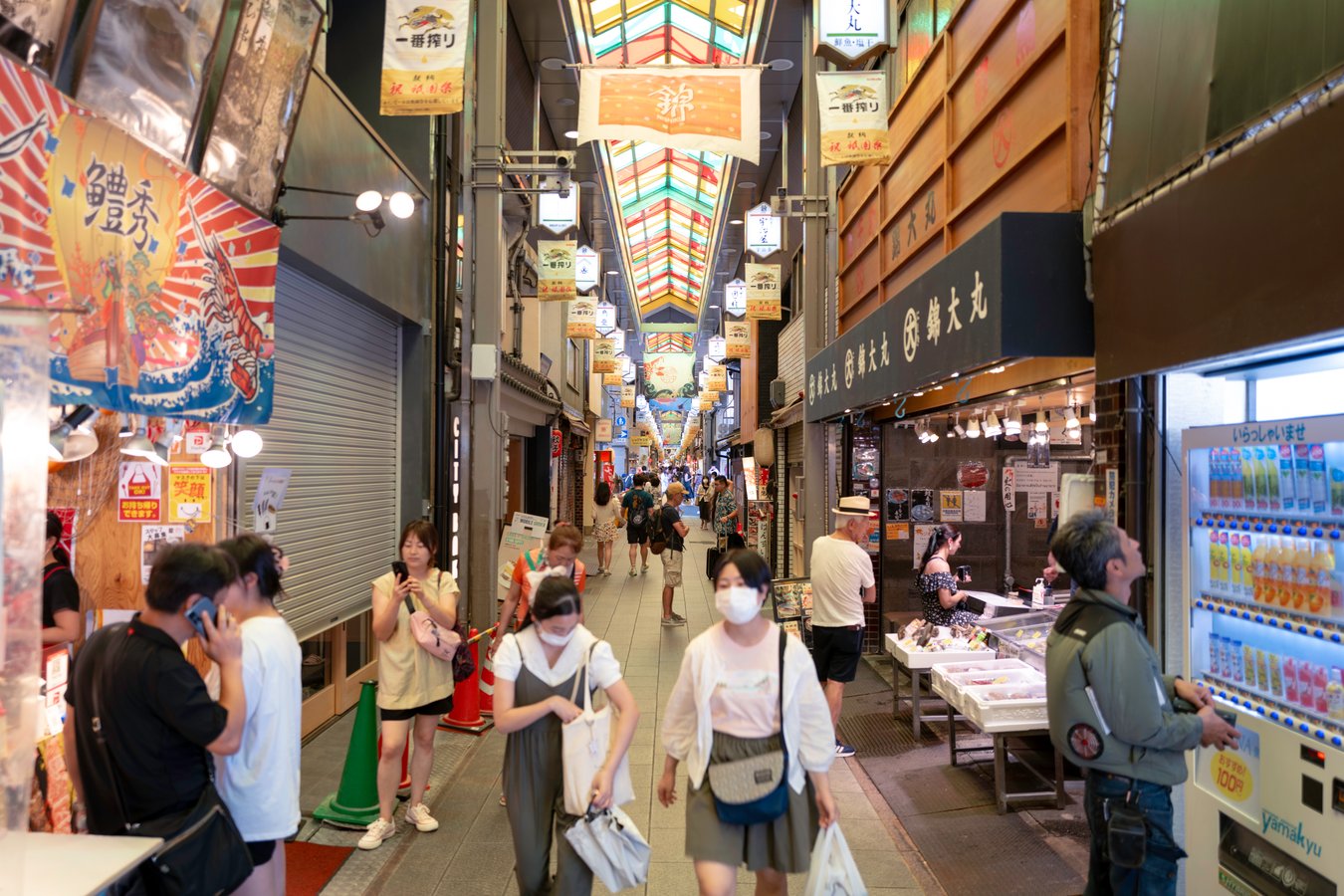
    Known as Kyoto’s Kitchen, Nishiki Market has evolved significantly from its beginnings 400 years ago as an open-air fish market. Today, it stands as a bustling food destination blending tradition and modernity.

    Market Layout

    Spanning approximately 400 meters in length and only 3.9 meters in width, Nishiki Market is packed with 130 vendors. Despite the narrow passageways, it remains a vibrant hub for both visitors and Kyoto locals.

    A Culinary Experience

    The market offers a variety of fresh produce, prepared foods, and local specialties, making it a must-visit for anyone wanting to experience the authentic flavors of Kyoto.

  • Chochikukyo House: Kyoto’s Modernist Landmark

    Chochikukyo House: Kyoto’s Modernist Landmark

    Chochikukyo House Overview

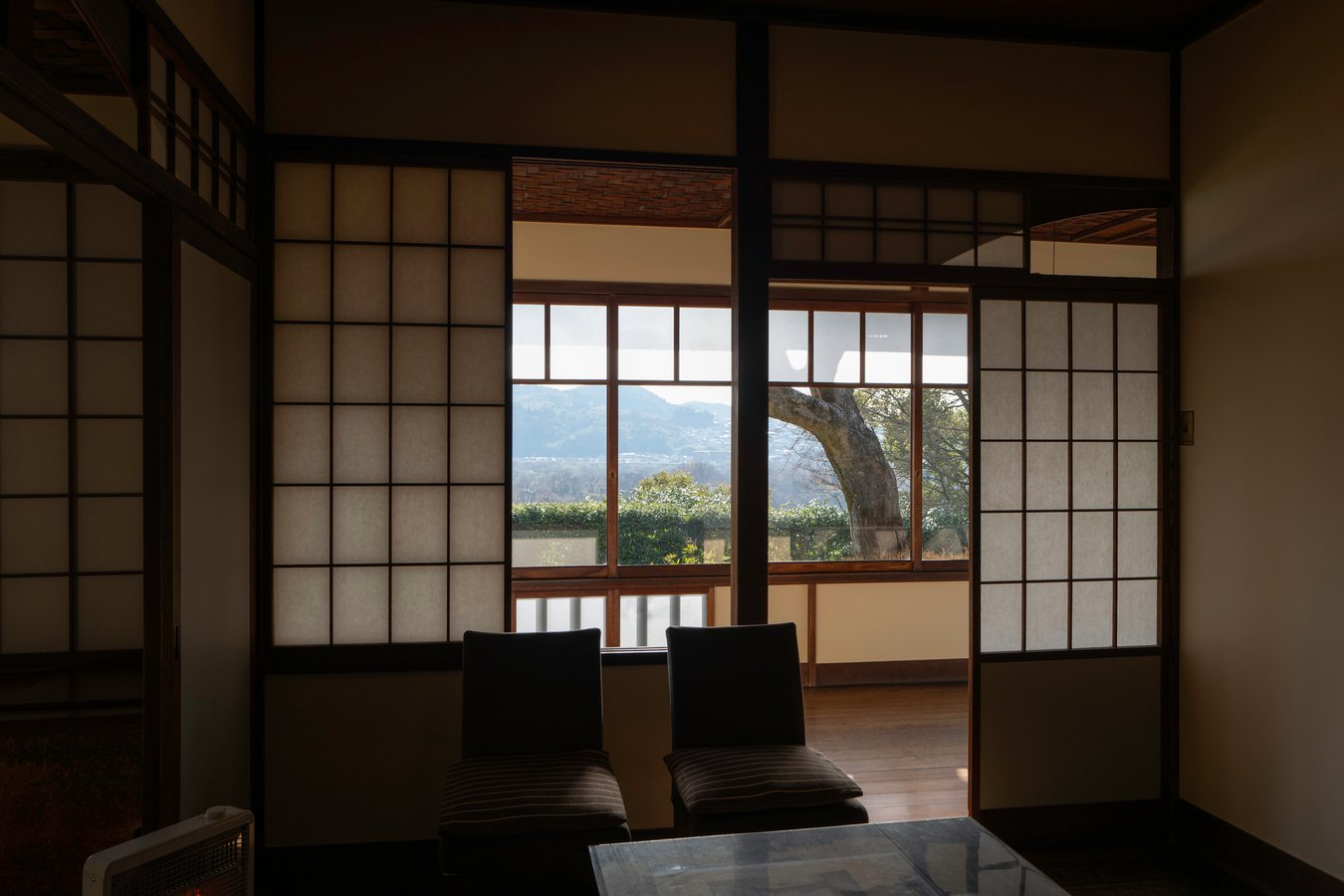
    Chochikukyo House, designed by Koji Fujii in 1928, is a groundbreaking example of early Modernist architecture in Kyoto. It seamlessly blends traditional Japanese elements like shoji and tatami with Western Modernist features such as strip windows and integrated lighting, embodying Fujii’s vision for culturally rooted modern living.

    Architectural Significance

    Recognized as a National Important Cultural Property in 2017, Chochikukyo House stands as a testament to Fujii’s innovative approach. The residence includes three buildings: the main structure, pavilion, and teahouse, offering distinct spaces for living and reflection. Its designation highlights its importance as the first architect’s own house from Japan’s Showa period to receive such recognition.

    Sustainability and Eco Design

    Notably, Chochikukyo House is among Japan’s earliest “eco houses.” It incorporates advanced environmental engineering, such as natural ventilation systems known as “Cool Tubes,” ensuring comfortable interiors during Kyoto’s hot summers without air conditioning. This innovative design emphasizes sustainability, making it relevant for today’s climate-conscious world.

    Public Access and Exhibitions

    The house is open to the public by reservation, providing visitors a chance to explore its architectural and historical significance firsthand. Additionally, it is featured in the ongoing exhibition “Living Modernity: Experiments in Housing 1920s–1970s” at the National Art Center in Tokyo, running until September 2025, showcasing its enduring influence on Modernist architecture.

    Design Features

    The house’s design balances aesthetics and functionality. Its tatami floors, sliding paper doors, and modern wooden furnishings reflect a harmonious fusion of traditional and modern elements. The open-plan layout and use of washi paper for lighting create an elegant, dynamic atmosphere.

    Cultural Impact

    Chochikukyo House has inspired publications and exhibitions, including art and design works that explore its architectural principles. As a landmark of Japanese Modernism, it remains a must-visit destination for architects, designers, and history enthusiasts.

  • Discover the Timeless Beauty of Kyoto: A Journey Through Its Iconic Landmarks

    Discover the Timeless Beauty of Kyoto: A Journey Through Its Iconic Landmarks

    Kyoto, once the capital of Japan, is a city that embodies the heart and soul of traditional Japanese culture. With its serene temples, historic districts, and scenic beauty, it offers a journey through time and an opportunity to experience the essence of Japan’s rich heritage. Here’s a guide to some must-visit places in Kyoto that are sure to leave you enchanted.

    Fushimi Inari-Taisha: The Vermilion Gates to Wonder

    Fushimi Inari-Taisha is famous for its thousands of vermilion torii gates, which create a mesmerizing path up the sacred Mount Inari. Known as the head shrine of the god Inari, it’s a place of worship for prosperity and success. As you ascend the mountain, the dense arrangement of gates (Senbon Torii) provides a captivating, almost hypnotic experience.

    Arashiyama Bamboo Grove: A Walk Through Whispers

    In the district of Arashiyama, the Bamboo Grove is a natural marvel. The towering bamboo stalks sway gently in the wind, creating a soothing sound that complements the visually stunning green corridor. It’s a place of tranquility and a testament to nature’s beauty, inviting visitors to reflect and find peace.

    Bamboo forest in Arashiyama in Kyoto, Japan

    Kinkaku-ji: The Golden Pavilion

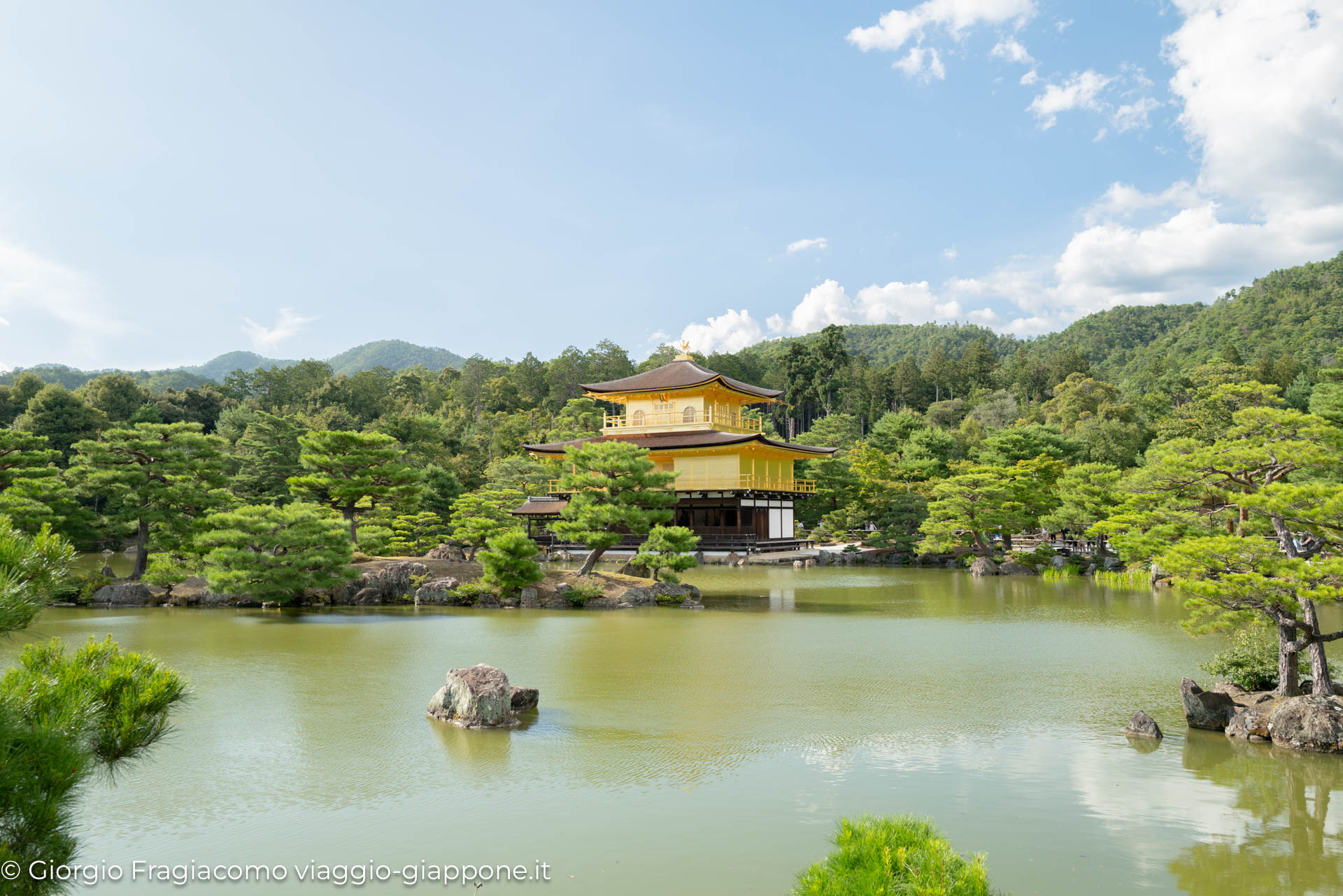
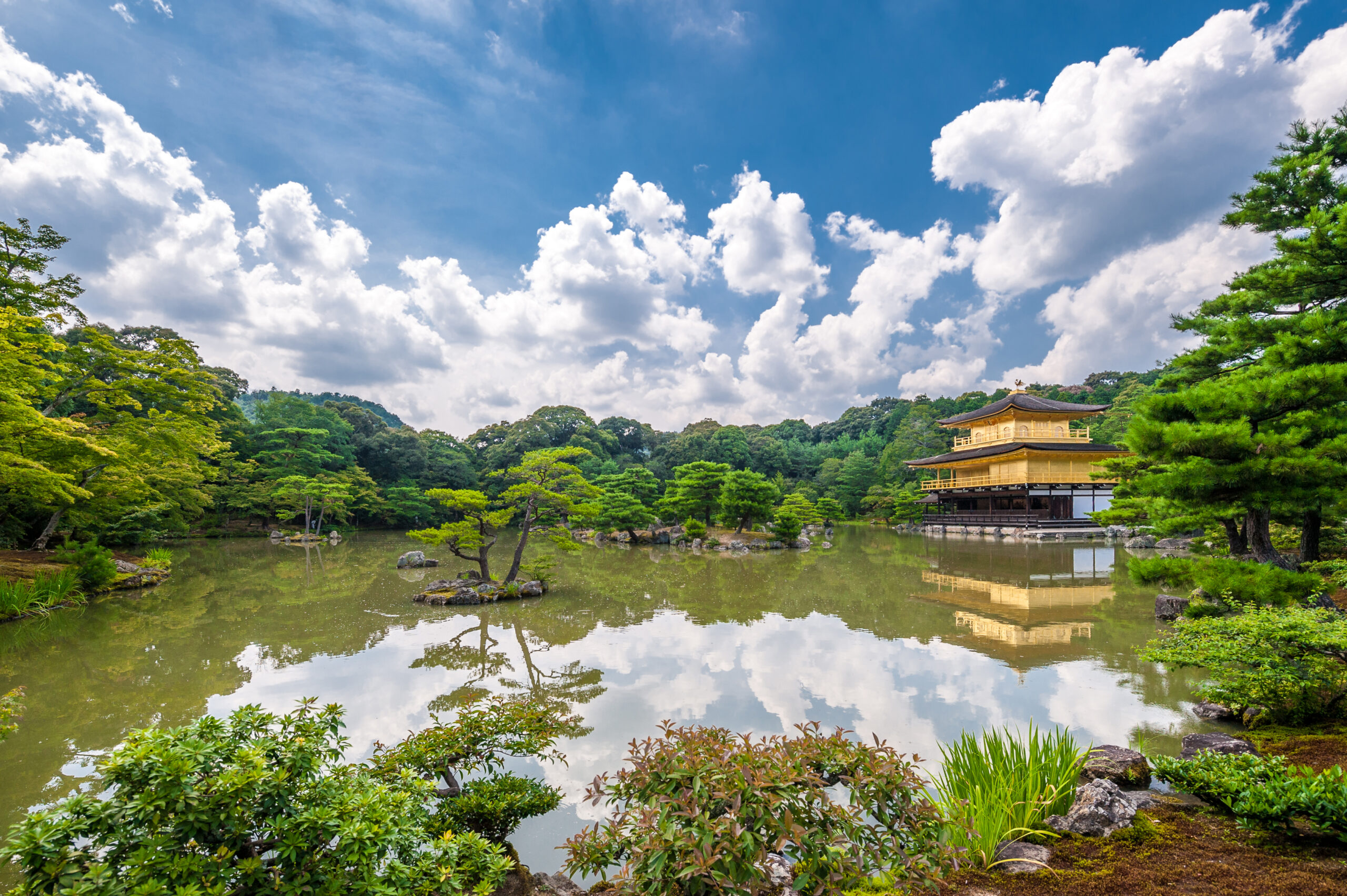
    Kinkaku-ji, or the Golden Pavilion, is a Zen temple whose top two floors are completely covered in gold leaf. Reflecting on the mirror pond, it offers a breathtaking sight that epitomizes the opulence and artistry of traditional Japanese architecture.

    Gion: Kyoto’s Historic Geisha District

    Gion, the city’s famed geisha district, is where you can catch a glimpse of the elusive geikos and maikos in their exquisite kimonos. This historical district is filled with teahouses and traditional wooden machiya houses, offering an immersive experience into the world of Japanese performing arts.

    Kiyomizu-dera: A Temple with a View

    The iconic Kiyomizu-dera Temple, part of the Historic Monuments of Ancient Kyoto UNESCO World Heritage site, is perched on the side of a hill providing panoramic views of the city. The temple’s wooden stage juts out from the main hall, hovering over a cliff and offering a dramatic vista that changes with the seasons.

    Katsura Imperial Villa: A Masterpiece of Japanese Garden Design

    The Katsura Imperial Villa, with its exquisite gardens and architecture, is a pinnacle of Japanese aesthetics. It represents the harmonious blend of man-made structures with the natural landscape, creating a poetic setting that’s both elegant and spiritually uplifting.

    Each of these destinations in Kyoto tells a story of Japan’s past, its cultural philosophies, and its artistic achievements. These sites, beautifully captured in photographs by Giorgio Fragiacomo and featured on Viaggio Giappone, offer a glimpse into the soul of Japan and are essential visits for any traveler seeking to understand the country’s unique and enduring allure.