Tag: Japanese Food

  • Oden: Japan’s Winter Comfort Food

    What is Oden?

    Oden is a beloved Japanese nabemono (one-pot dish) enjoyed during the colder months. Ingredients are simmered in a light, soy-flavored dashi broth, providing warmth and comfort.

    Common Ingredients

    • Boiled Eggs: Hard-boiled eggs absorb the savory broth, adding richness.
    • Daikon: Thick slices of Japanese white radish become tender and flavorful.
    • Konjac: This jelly-like food offers a unique texture.
    • Fish Cakes: Items like chikuwa and hanpen add protein and depth.
    • Tofu: Deep-fried tofu, such as atsuage, soaks up the broth beautifully.

    Preparation

    Oden is prepared by simmering ingredients in a dashi-based broth seasoned with soy sauce. The slow cooking process ensures each ingredient absorbs the flavors, creating a harmonious blend.

    Regional Variations

    Oden flavors differ across Japan. In Nagoya, it’s called “Kantō ni” and features a miso-based broth. In the Kansai region, “Kantō daki” has a more robust seasoning.

    Serving and Availability

    Traditionally a winter dish, Oden is served at specialty eateries, izakayas, convenience stores, and food stalls. It’s often paired with karashi (Japanese mustard) for a touch of heat.

  • Yakisoba: Japan’s Iconic Stir-Fried Noodles

    Yakisoba: Japan’s Iconic Stir-Fried Noodles

    What is Yakisoba?

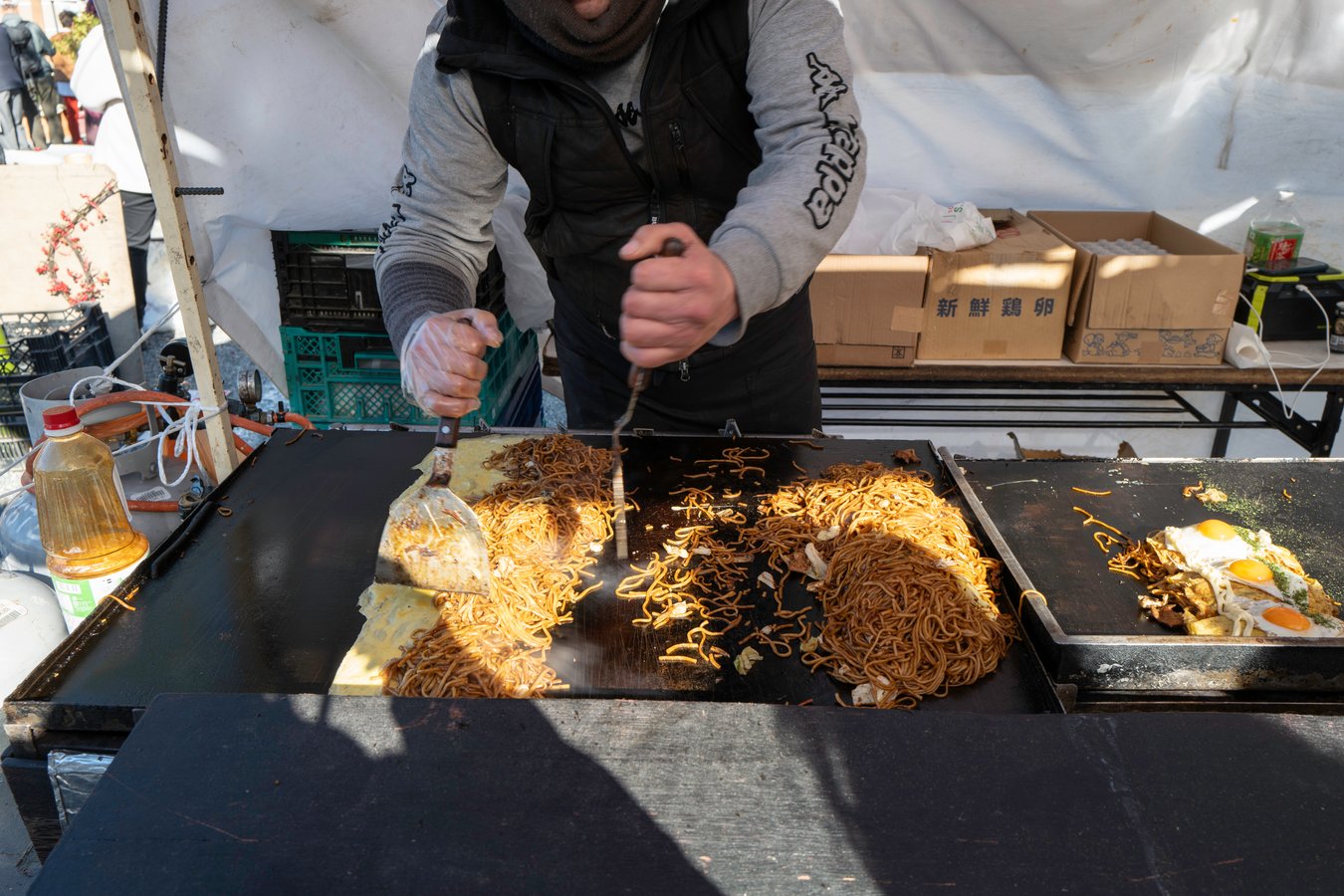
    Yakisoba is a classic Japanese dish featuring stir-fried wheat flour noodles seasoned with a sweet and savory sauce similar to Worcestershire sauce. Despite its name, it is not made with soba (buckwheat noodles) but instead uses noodles akin to ramen.

    Ingredients and Preparation

    Yakisoba typically includes pork or other proteins, alongside vegetables like cabbage, onions, carrots, and bean sprouts. Stir-fried on a hot plate or wok, it’s a quick and versatile dish, perfect for both home cooking and street food stalls.

    Cultural Significance

    Dating back to the 1930s, Yakisoba rose to prominence in food stalls and is now a staple at festivals and izakayas. It pairs excellently with drinks like beer or sake. Regional variations include thicker, chewy noodles in Okinawa, and adaptations for vegetarian or international tastes.

    Serving and Variations

    Yakisoba is often garnished with seaweed powder (aonori), pickled ginger (beni shōga), dried fish flakes (katsuobushi), or mayonnaise. A popular twist is yakisoba-pan, where the noodles are served in a bun, making it a convenient snack widely available in stores.

  • Tsukiji Outer Market: Tokyo’s Food Town

    Tsukiji Outer Market: Tokyo’s Food Town

    Experience Tsukiji Outer Market

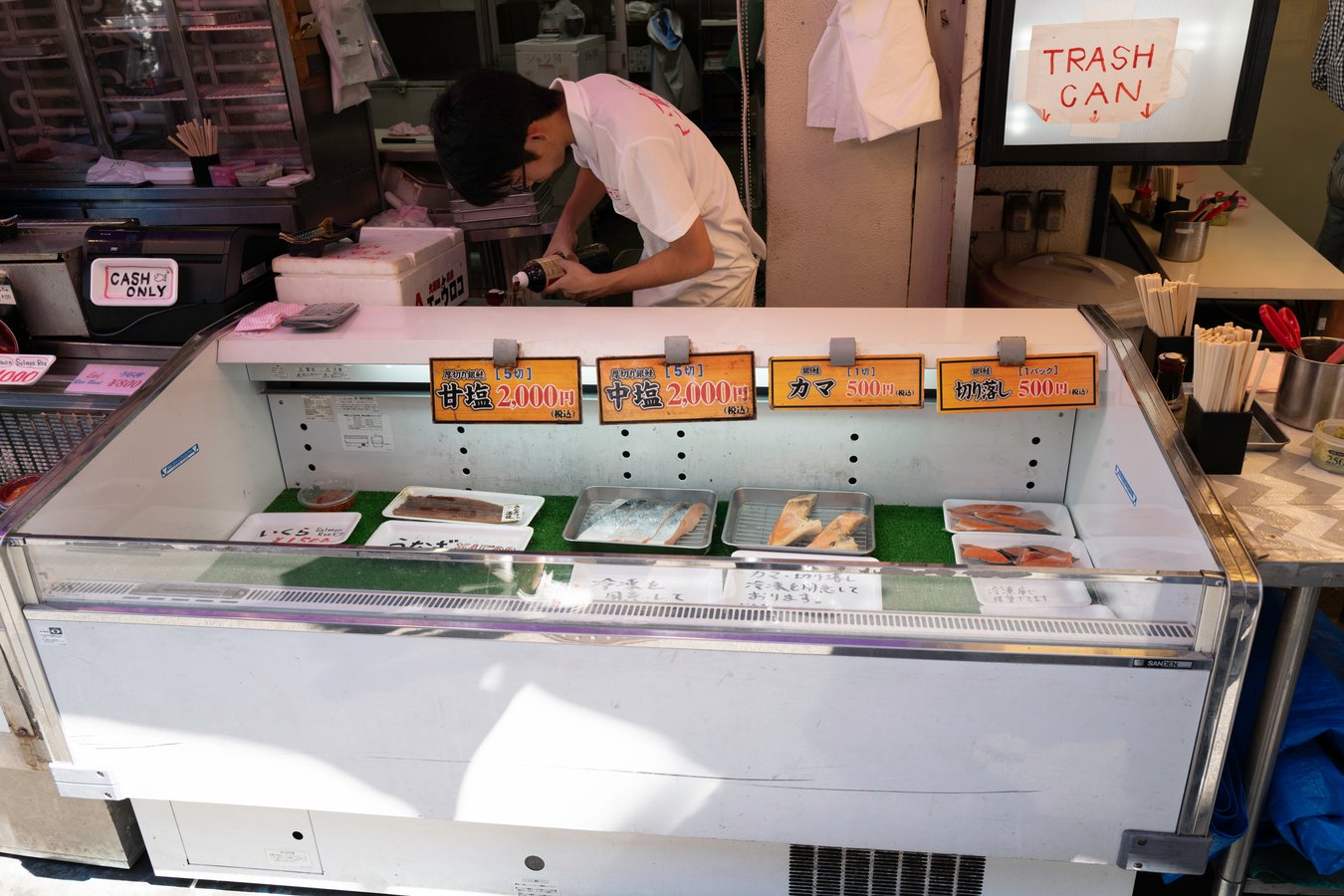
    Tsukiji Outer Market is a vibrant hub for traditional Japanese foods, wholesale shops, and retail stores. Known as Japan’s “Food Town,” it is a birthplace of culinary trends, featuring bustling streets filled with restaurants and food stalls.

    From Wholesale to Retail

    Originally focused on serving professionals, Tsukiji Market offered items in bulk quantities. Over time, wholesale shops adapted by selling smaller, high-quality products to retail customers. Visitors can now savor ready-to-eat sushi and bite-sized treats like egg rolls, making it accessible to all.

  • Tsukiji Outer Market: Tokyo’s Food Hub

    Tsukiji Outer Market: Tokyo’s Food Hub

    Tsukiji Outer Market Overview

    Known as Japan’s Food Town, Tsukiji Outer Market offers a blend of traditional foods, wholesale and retail shops, and a vibrant culinary scene. The streets are packed with restaurants and food stalls, making it a hotspot for both locals and visitors.

    From Professionals to Visitors

    Initially catering to food industry professionals, Tsukiji Market primarily sold large portions of seafood and other goods. Over time, many wholesale shops have started offering retail options, making high-end products accessible to individual customers.

    Convenient Food Options

    Visitors can now enjoy smaller, ready-to-eat portions such as sushi meals and bite-sized egg rolls. This shift allows everyone to try traditional flavors without committing to bulk purchases.

  • Chiba: Beyond Tokyo’s Border

    Welcome to Chiba

    Chiba Prefecture, located next to Tokyo, is the gateway to Japan via Narita International Airport. This coastal region offers a mix of nature, history, and modern attractions, making it an ideal destination for diverse travelers.

    Key Attractions

    Chiba is home to Tokyo Disneyland and DisneySea, perfect for family fun. For those seeking outdoor activities, the prefecture’s beaches are great for swimming, surfing, and diving. History enthusiasts will enjoy exploring the picturesque canals of Sawara and the serene beauty of Shinshoji Temple in Narita, recognized in the Michelin Green Guide Japan.

    Rich Culture and Fresh Cuisine

    Chiba boasts a mild climate and unique geography, supporting thriving agriculture and fishing industries. Visitors can savor fresh seafood and experience authentic Japanese food culture. The prefecture’s countryside and coastal areas provide a glimpse into a more traditional Japan, complemented by seaside hot spring resorts.

    Accessibility

    With extensive train and bus networks, Chiba is easily accessible from Tokyo. Whether you’re visiting for the beaches, temples, or world-famous theme parks, Chiba offers something for every traveler.

  • Dorayaki in Tokyo

    Dorayaki in Tokyo

    Dorayaki is a popular Japanese sweet that is loved by many, and Tokyo is no exception when it comes to its availability. You can find dorayaki in many different locations throughout the city, from small street vendors to larger stores.

    Some popular places to find dorayaki in Tokyo include convenience stores such as 7-Eleven, Lawson, and Family Mart, which offer pre-packaged dorayaki for a reasonable price. You can also find them at traditional Japanese sweets shops like Usagiya in Yanaka and Kameya in Asakusa, which are famous for their delicious dorayaki with various fillings.

    In addition, some cafes and bakeries in Tokyo have started to offer their own unique versions of dorayaki, with fillings such as matcha cream, chocolate ganache, and even fruit.

    The prices of dorayaki in Tokyo can vary depending on the location and the type of dorayaki you choose. On average, pre-packaged dorayaki can range from 100 to 200 yen, while freshly made dorayaki at traditional shops may cost more. However, the taste and quality of dorayaki in Tokyo is definitely worth the price for any sweet tooth looking to try this delicious Japanese treat.

    Video about Dorayaki recipe
  • Dorayaki in Japan

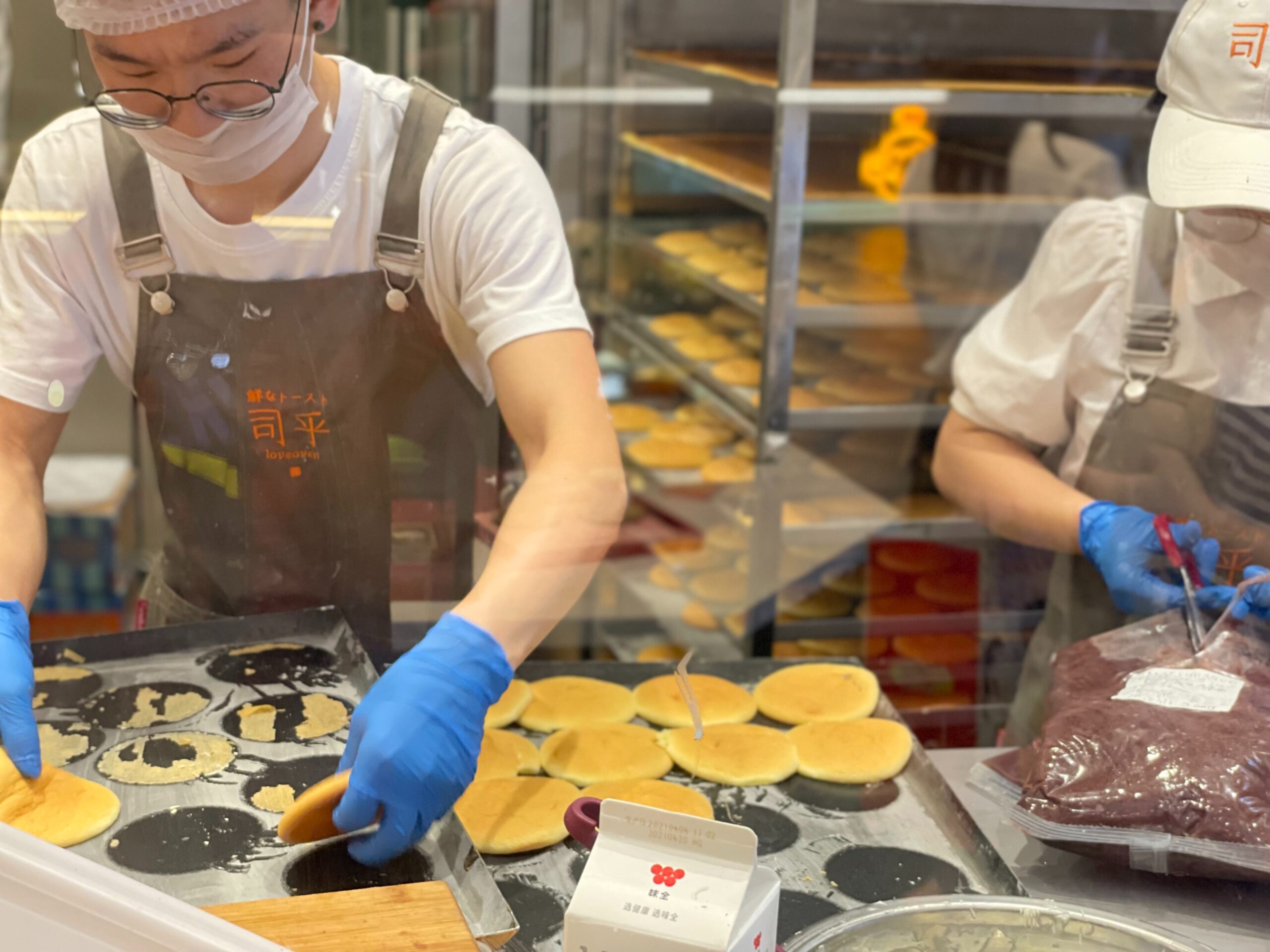
    Dorayaki is a popular Japanese sweet that has been enjoyed for centuries. This delectable dessert consists of two fluffy pancakes made from sweet castella batter and filled with a sweet filling such as anko (sweet red bean paste) or chestnut cream. Dorayaki is often enjoyed as a snack or dessert and can be found in many different stores and bakeries throughout Japan.

    One of the most famous places to enjoy dorayaki is at Usagiya, a long-standing dorayaki specialty shop in Tokyo’s Yanaka district. The shop has been making dorayaki for over 100 years and is renowned for its soft and fluffy pancakes and rich, smooth anko filling.

    Other popular places to find dorayaki include convenience stores, supermarkets, and even vending machines. Many stores offer different types of fillings such as matcha cream, custard cream, or even seasonal flavors like sweet potato or strawberry.

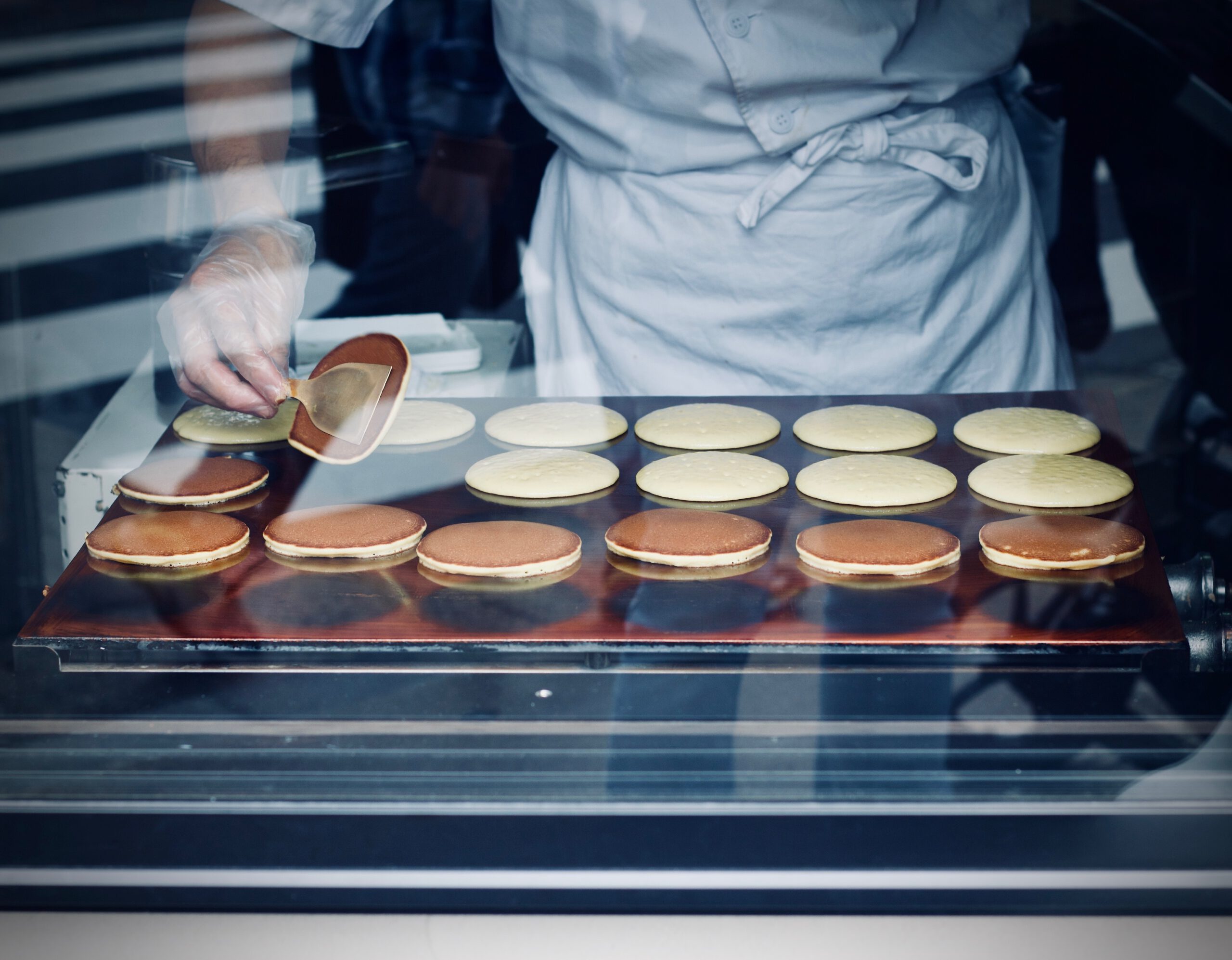
    If you’re interested in making your own dorayaki, it’s a relatively simple process. All you need is some castella batter, sweet filling, and a frying pan. To make the pancakes, you simply cook the batter on both sides until golden brown, then add the filling and sandwich the two pancakes together.

    Overall, dorayaki is a beloved and iconic sweet in Japan that offers a delicious and satisfying taste of traditional Japanese flavors.

  • Dorayaki fillings

    Dorayaki is a popular Japanese confection that consists of two small pancake-like patties made from sweetened batter, with a filling sandwiched in between. The filling can vary, but typically includes a sweet red bean paste called “anko” or “azuki.” However, there are also many other delicious fillings that can be used to create a unique and tasty dorayaki experience.

    One popular filling is “matcha cream,” which is made from sweetened whipped cream blended with high-quality matcha powder. Another popular option is “custard cream,” a sweet and creamy filling made from egg yolks, milk, sugar, and cornstarch. “Chocolate cream” is also a favorite, made from melted chocolate and heavy cream.

    For those who enjoy fruit flavors, “strawberry cream” is a delicious option. It is made from sweetened whipped cream blended with fresh strawberry puree. “Chestnut cream” is another popular filling, made from sweetened chestnut paste mixed with whipped cream.

    Dorayaki can be found in many Japanese sweet shops and supermarkets. Some famous places to buy dorayaki include Usagiya in Tokyo and Kamo Kyoya in Kyoto. Alternatively, dorayaki can also be made at home using a simple batter recipe and your favorite filling.

  • Dorayaki – How is made

    Dorayaki – How is made

    Dorayaki is a popular Japanese confection that consists of two fluffy pancakes sandwiched together with a sweet red bean paste filling. This beloved snack has been enjoyed in Japan for generations and is now enjoyed around the world.

    To make your own dorayaki at home, you will need the following ingredients:

    • 2 eggs
    • 1/2 cup granulated sugar
    • 1 teaspoon honey
    • 1 teaspoon baking powder
    • 1/2 teaspoon vanilla extract
    • 1 cup all-purpose flour
    • 1/2 cup water
    • Sweetened red bean paste

    Instructions:

    1. In a mixing bowl, beat the eggs and sugar together until they become light and fluffy.
    2. Add the honey, baking powder, and vanilla extract to the mixture, and stir until well combined.
    3. Slowly add the flour to the mixture, alternating with the water, and stir until the batter becomes smooth.
    4. Heat a non-stick pan over medium heat and lightly grease it with vegetable oil or butter.
    5. Pour a small amount of the batter onto the pan to make a 3-4 inch pancake.
    6. Cook until bubbles form on the surface of the pancake, then flip it over and cook for an additional 30 seconds.
    7. Repeat until all the batter is used up.
    8. Allow the pancakes to cool, then sandwich a spoonful of sweetened red bean paste between two pancakes.

    If you prefer to buy dorayaki instead of making it yourself, you can find it at many Japanese grocery stores or Asian markets. Some popular brands include Meiji, Fujiya, and Glico. You can also find dorayaki at some Japanese restaurants and cafes. Whether you make it yourself or buy it pre-made, dorayaki is a delicious and unique treat that is sure to satisfy your sweet tooth.