When a Rental Car Makes Sense
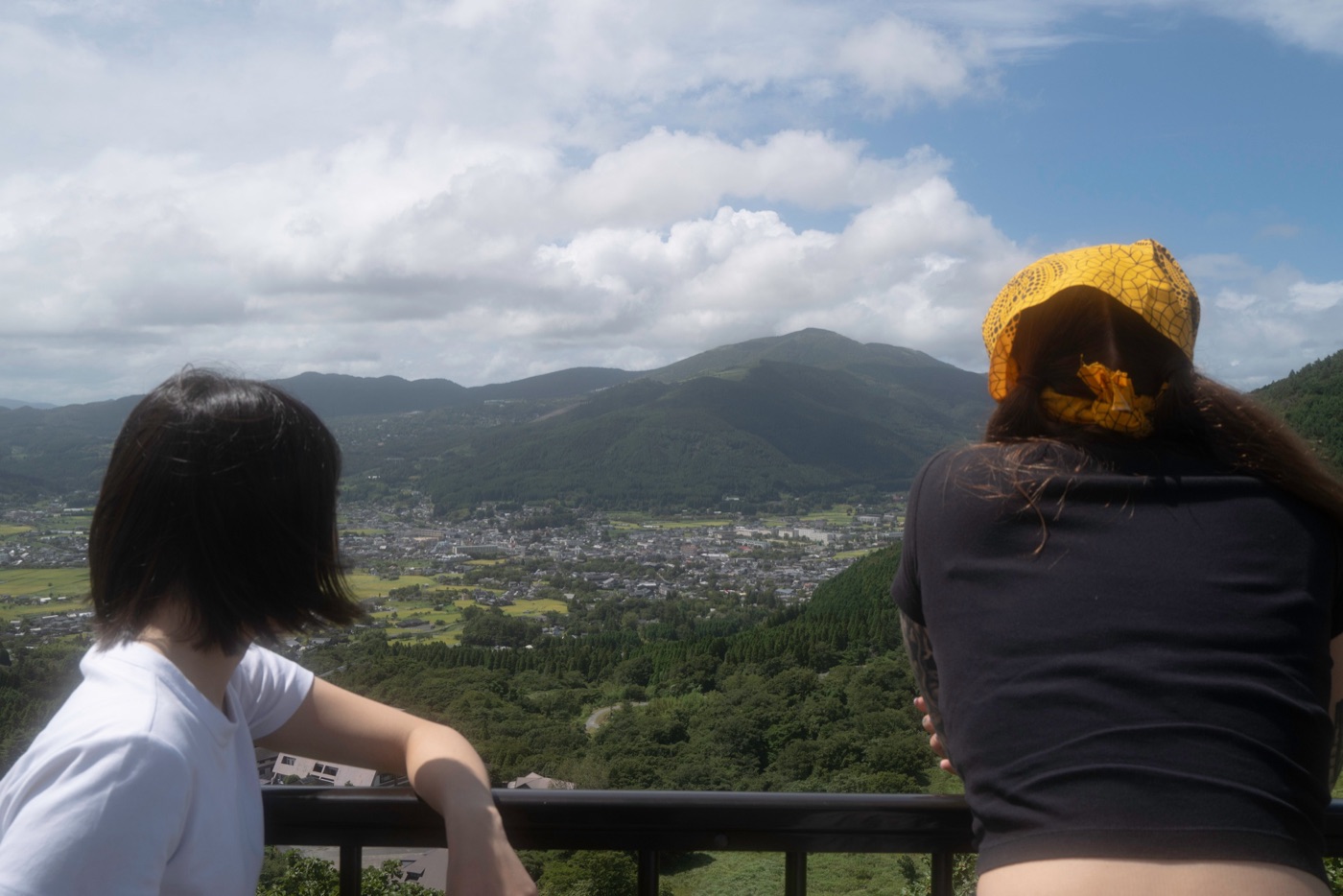
Japan’s train network is extraordinary, but it does not reach everywhere. Rural Hokkaido, the Noto Peninsula, mountain villages in Nagano, the scattered art islands of the Seto Inland Sea — these places are either inaccessible or deeply inconvenient by public transport. A rental car transforms a day trip requiring three transfers and long waits into a straightforward drive with stops along the way. Families traveling with young children, photographers chasing remote landscapes, and anyone planning to explore outside major cities will find that renting a car for specific legs of a trip dramatically expands what is possible. Within Tokyo, Osaka, or Kyoto, however, driving is rarely worth the hassle. Traffic is dense, parking is expensive, and trains are faster.
International Driving Permit and Documentation
Foreign visitors driving in Japan need an International Driving Permit (IDP) based on the 1949 Geneva Convention. This is not the same as an international license from other conventions — Japan specifically requires the Geneva Convention format. Obtain this from your home country’s automobile association before departure. At the rental counter, you will need to present your IDP, your original national driving license, and your passport. The permit is valid for one year from the date of entry into Japan. Swiss, German, and French license holders should confirm that their IDP follows the correct convention, as some European countries issue permits under the 1968 Vienna Convention, which Japan does not recognize.
The Rental Experience with Nippon Rent-a-Car
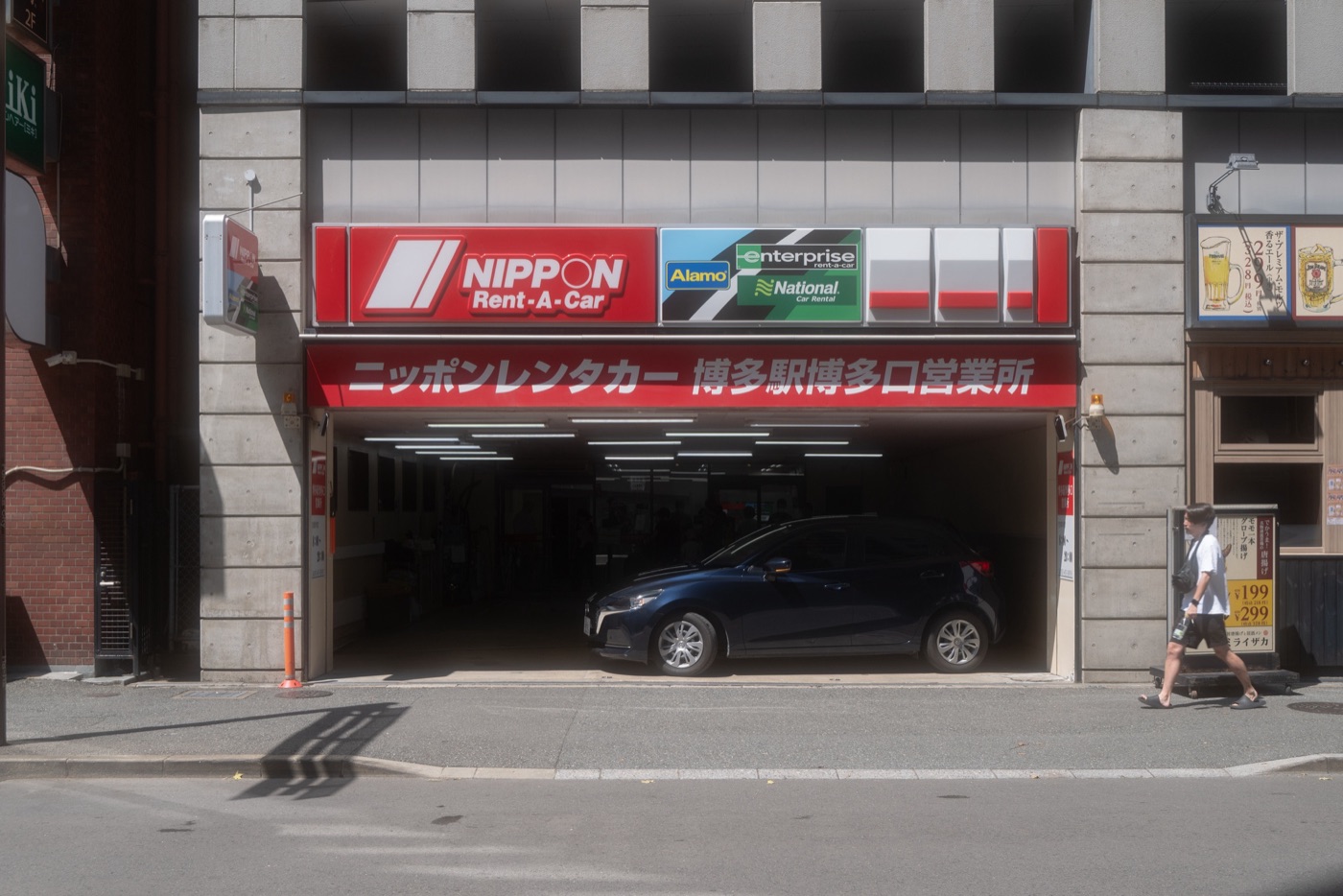
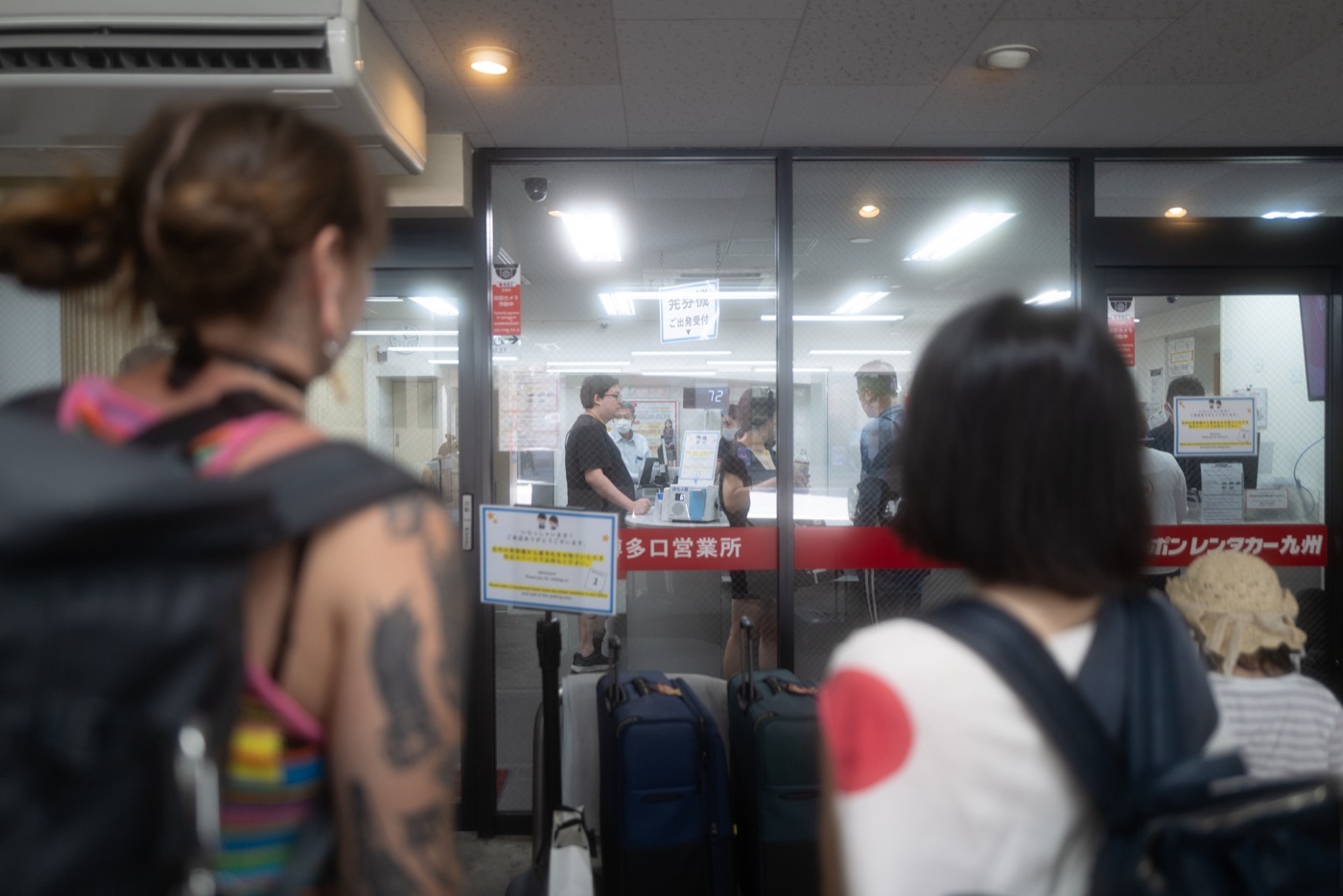
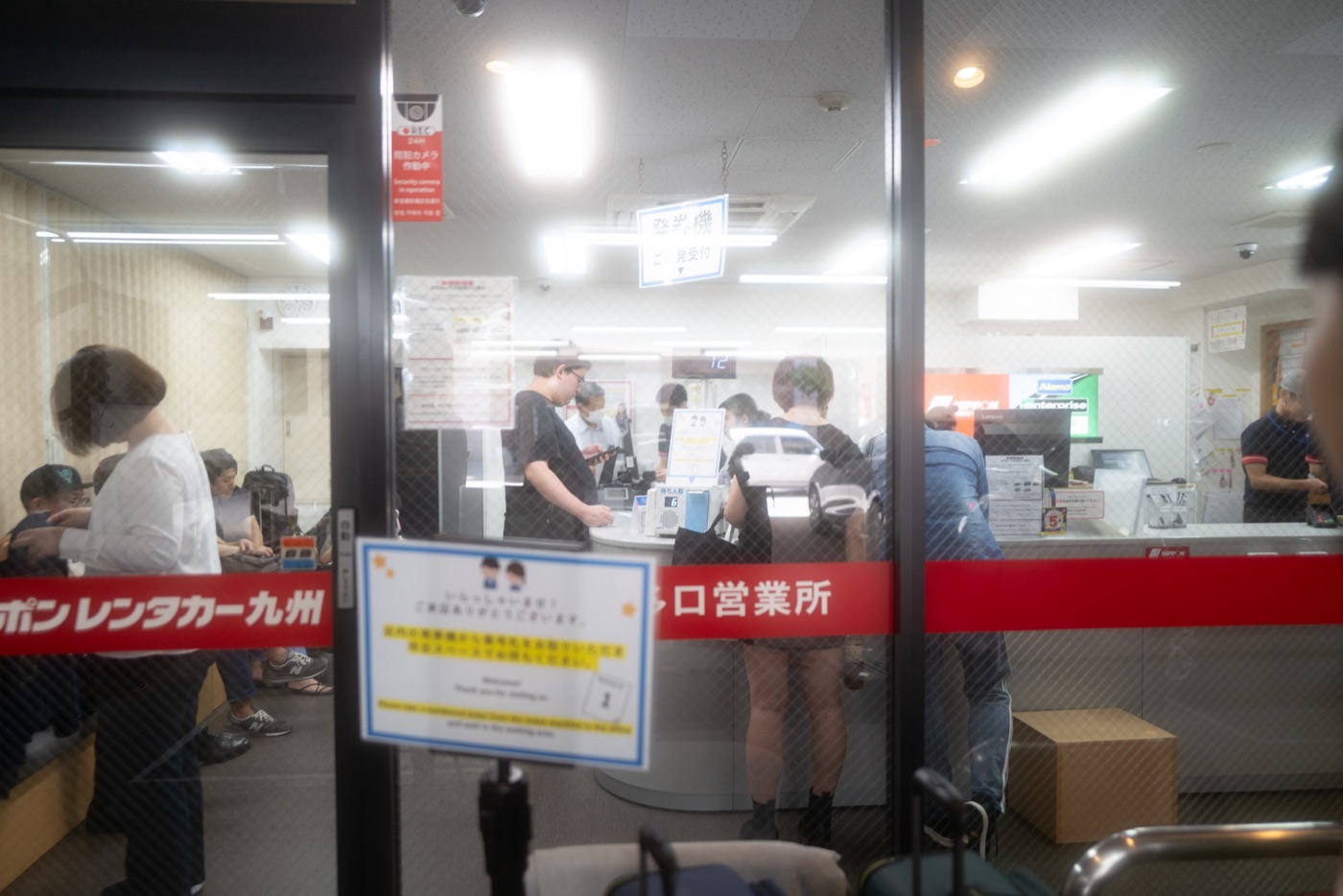
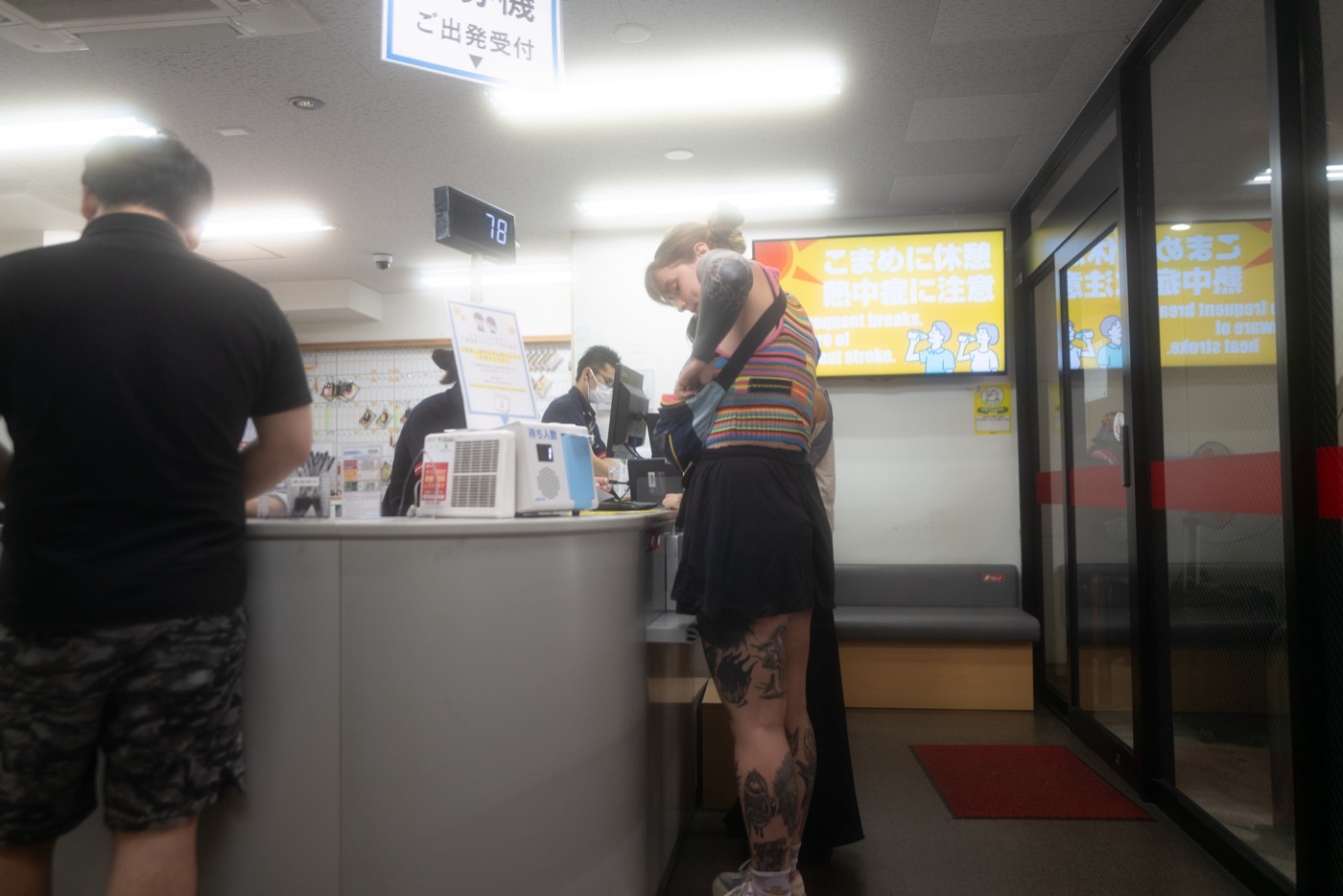
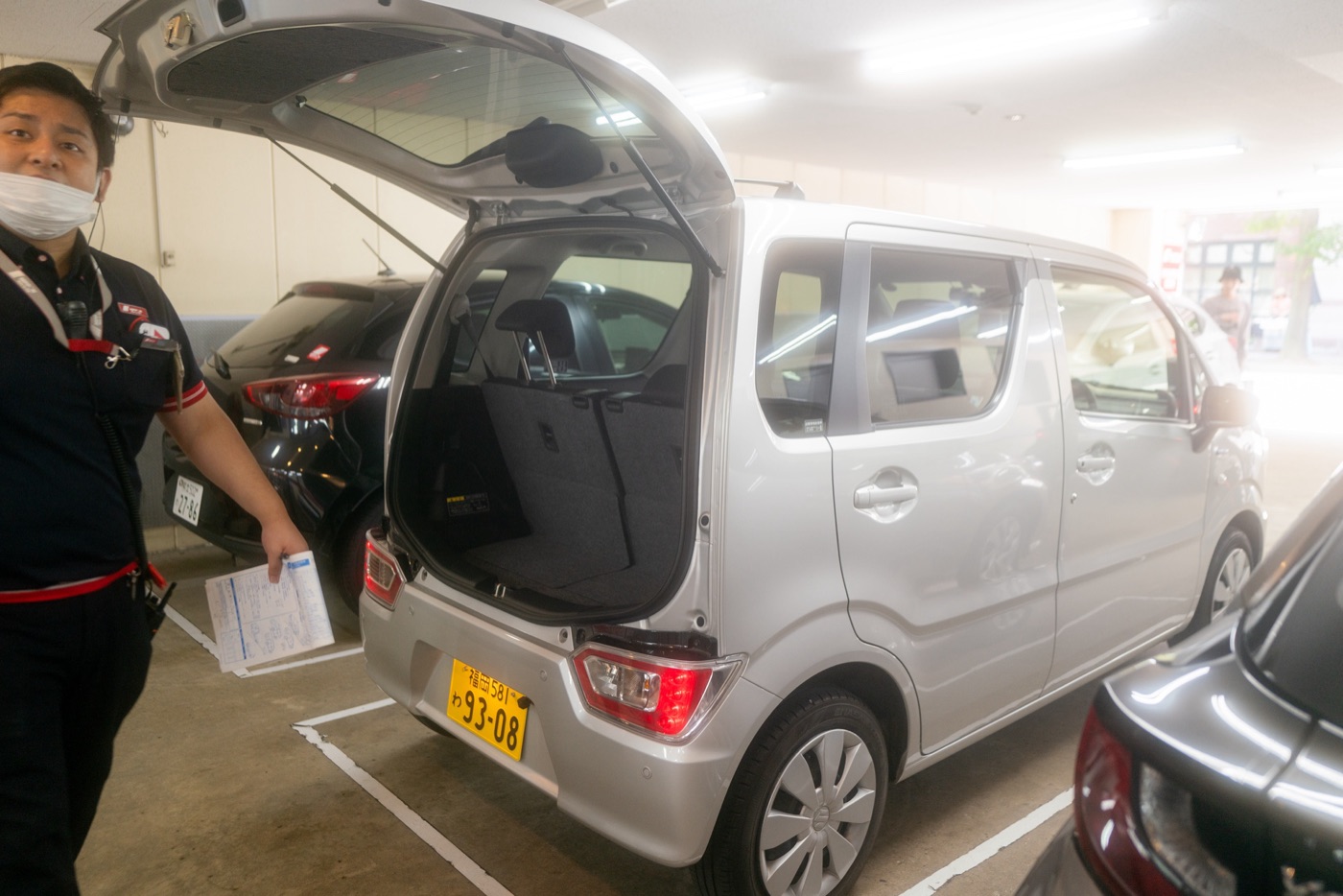
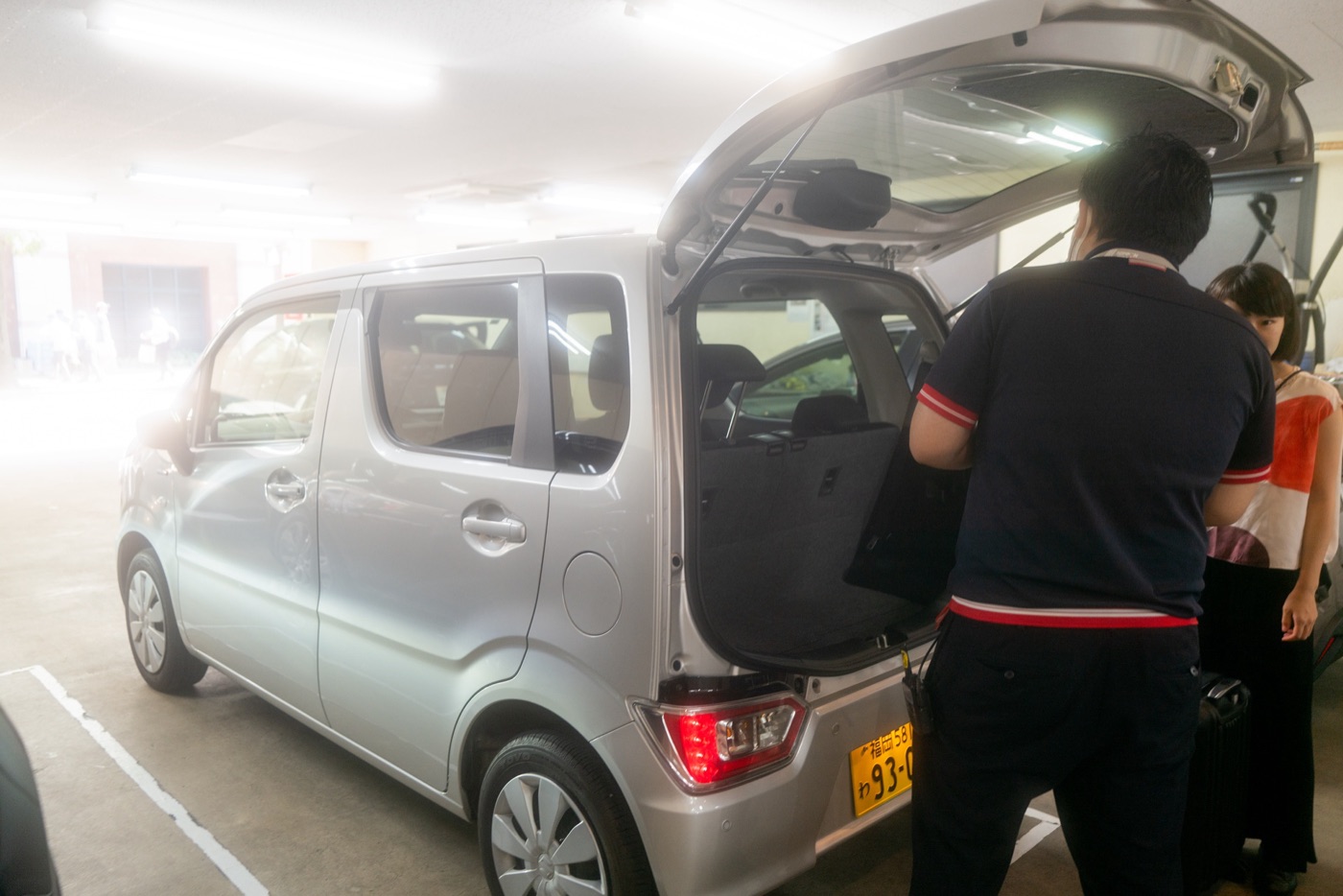
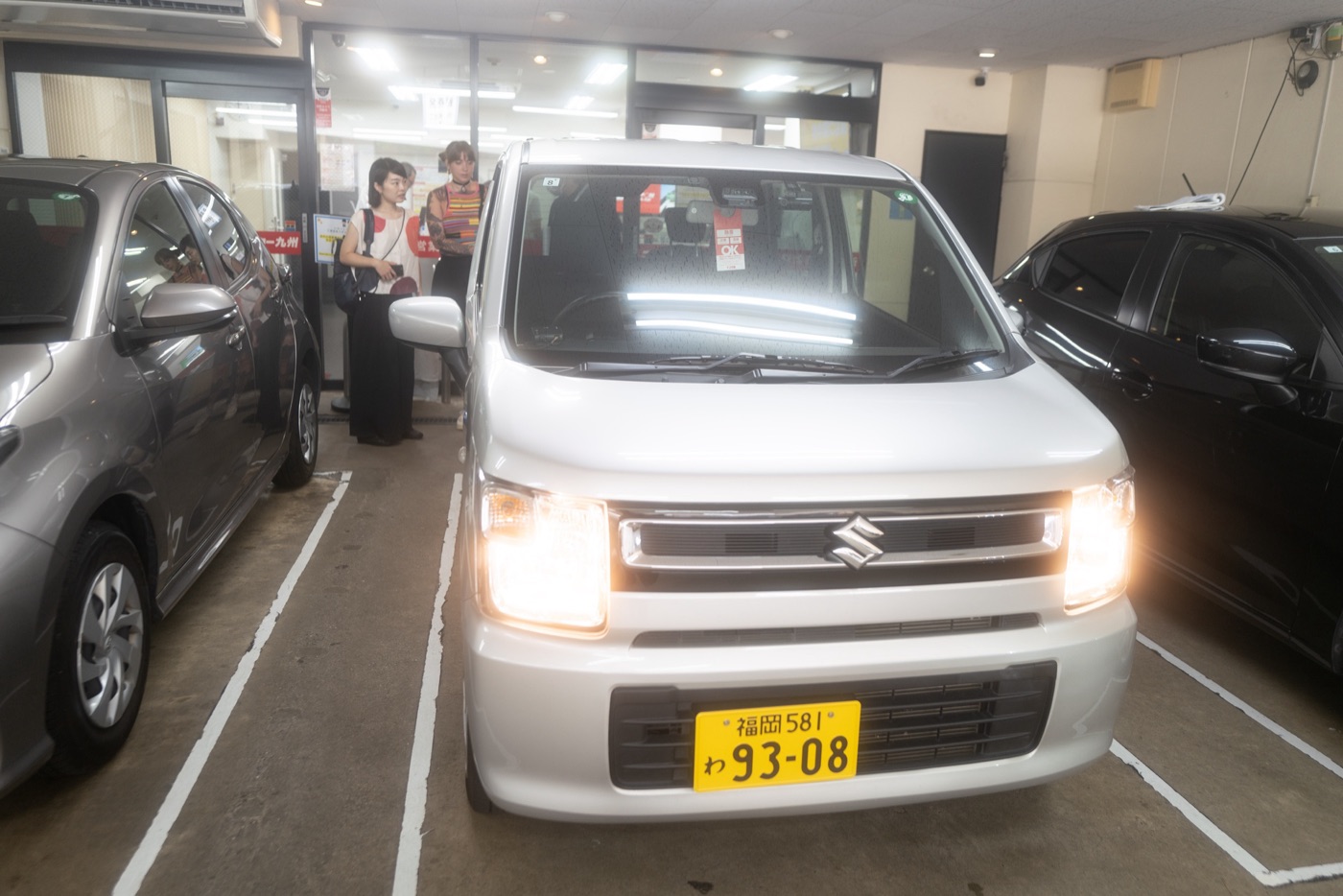
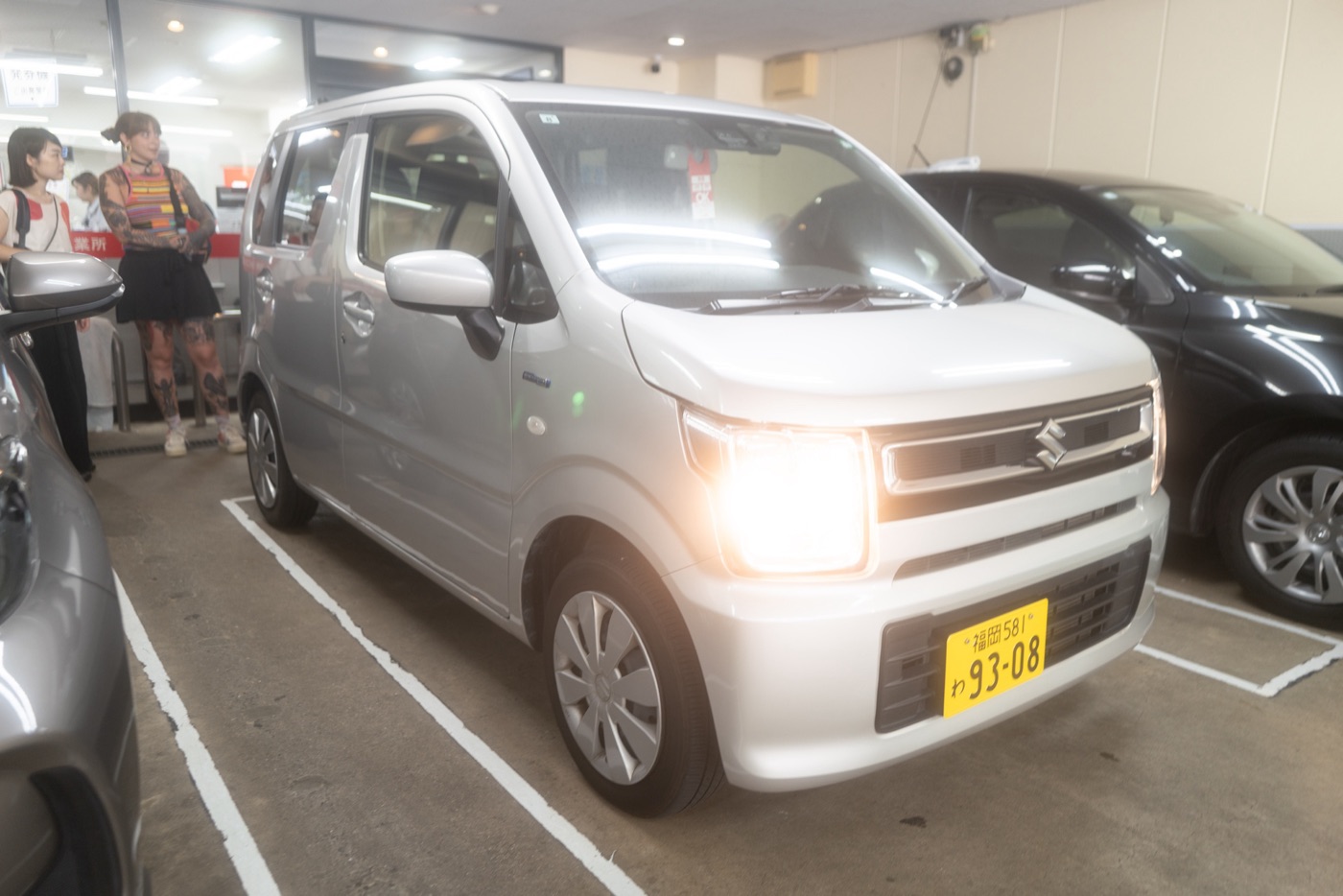
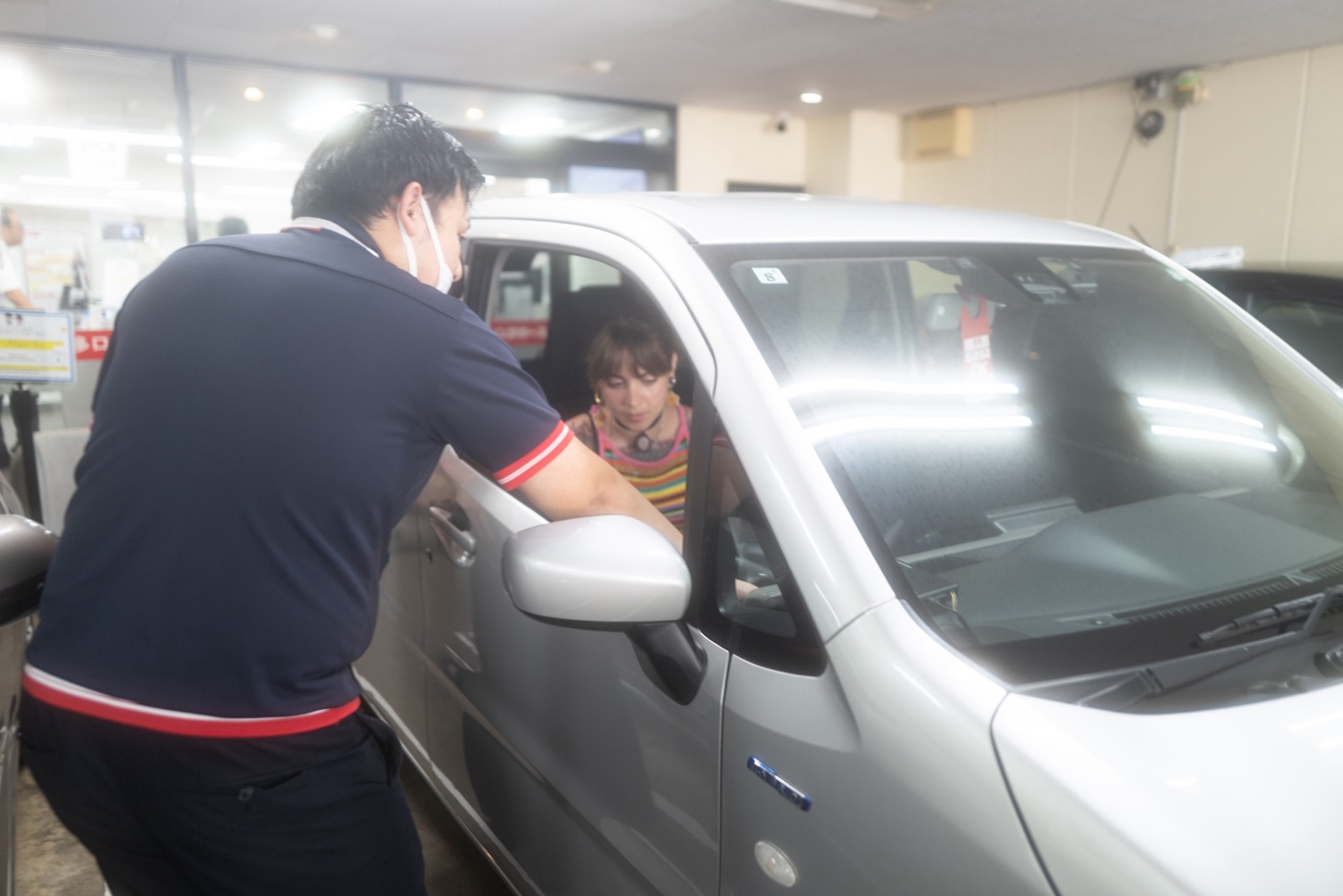
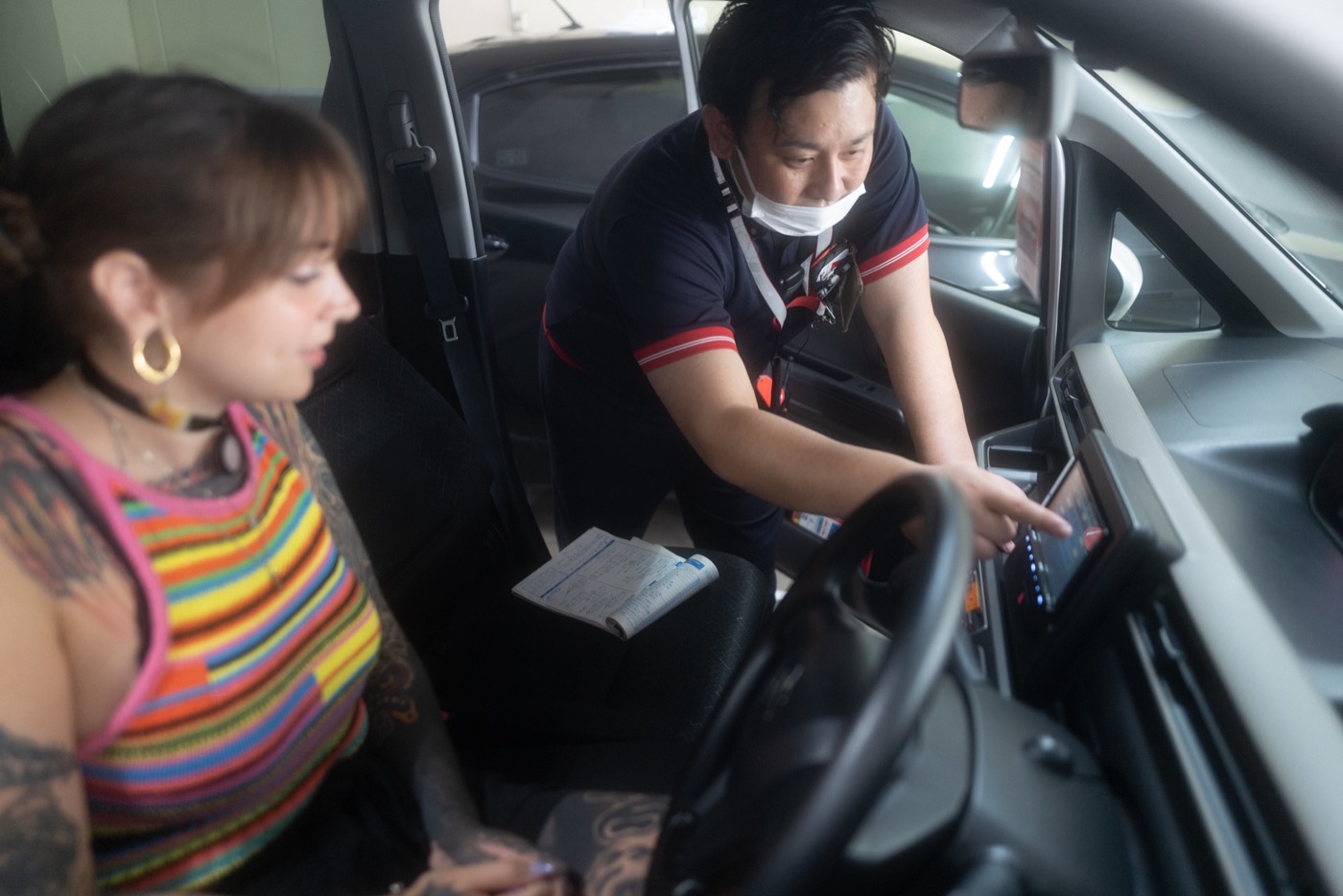
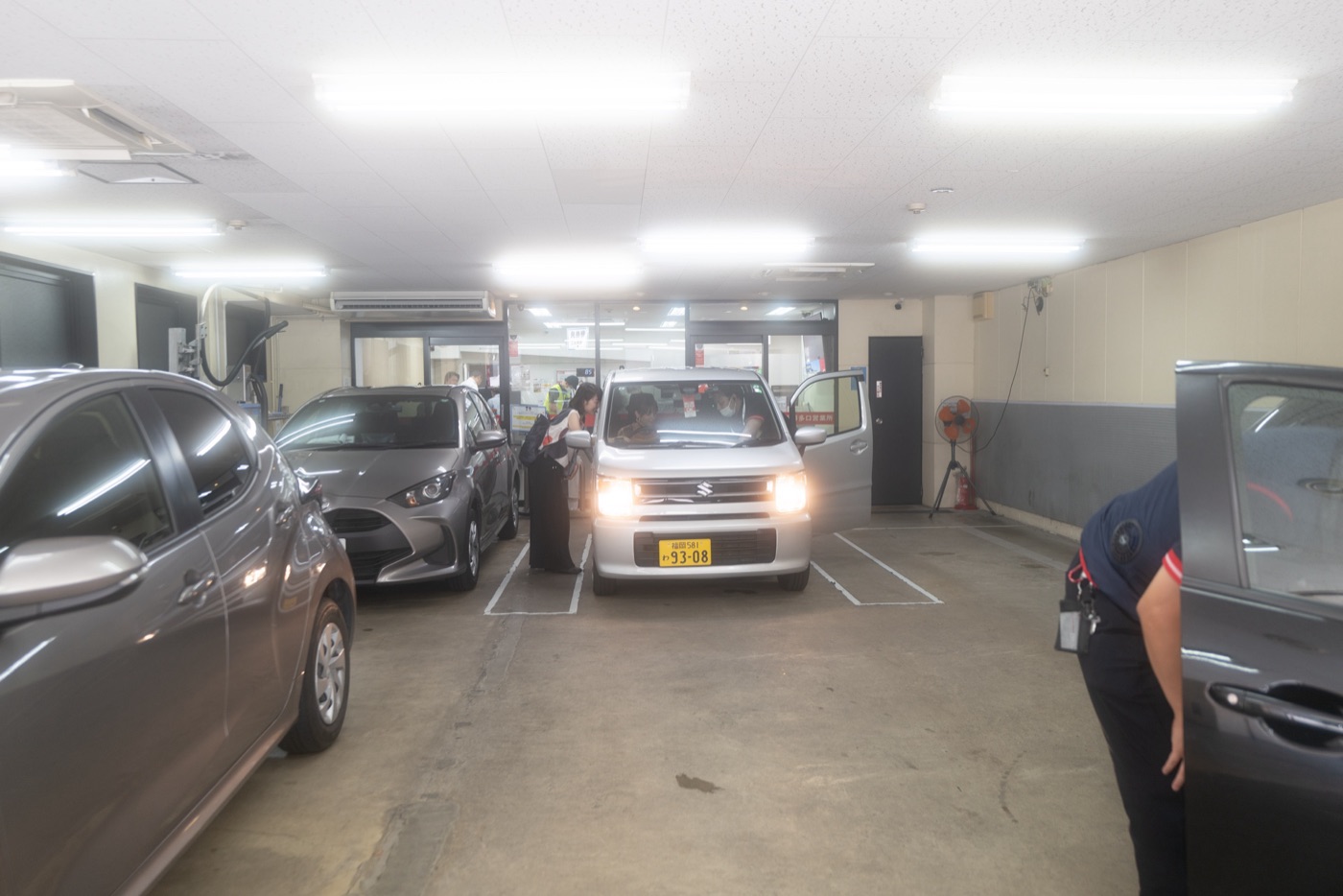
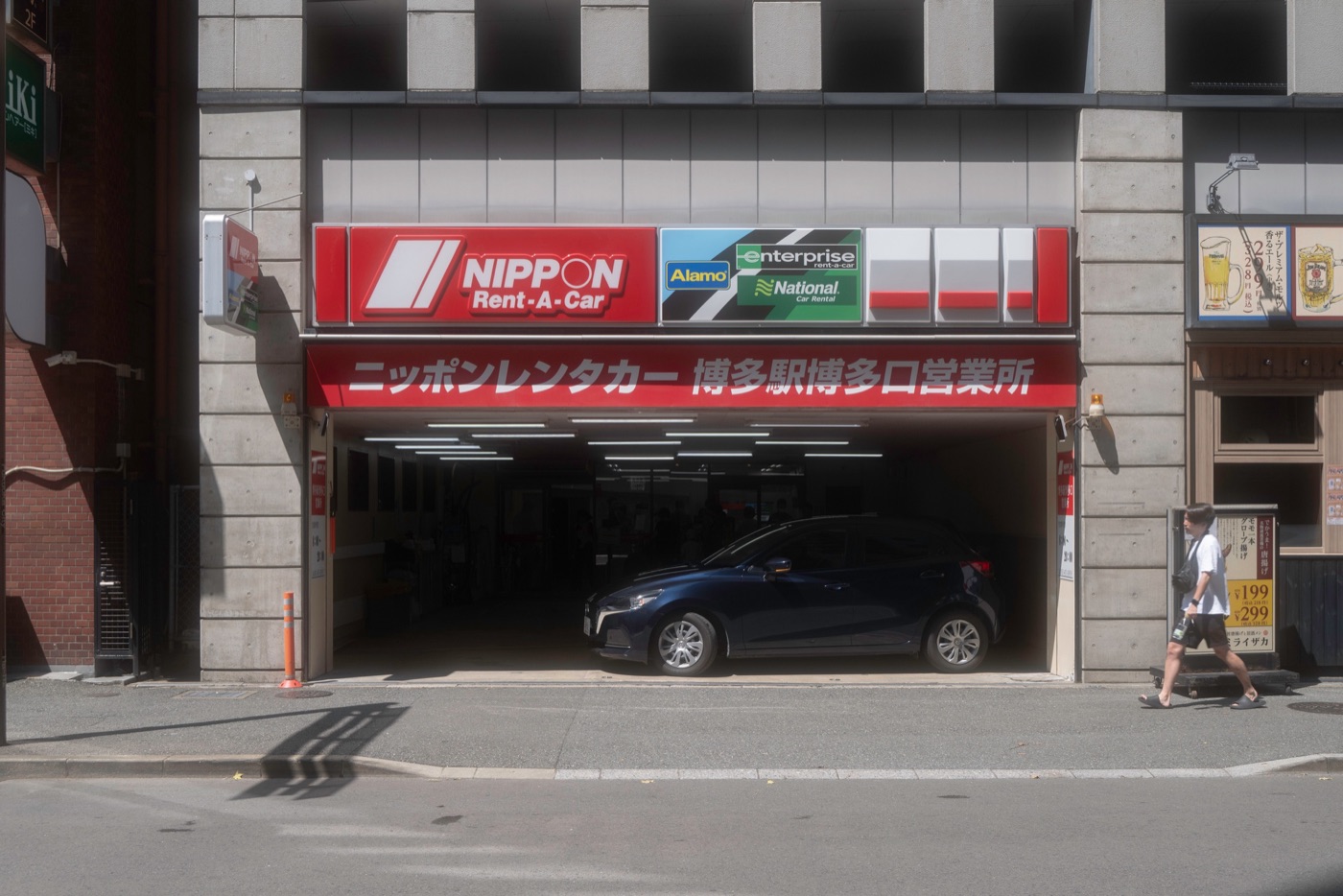
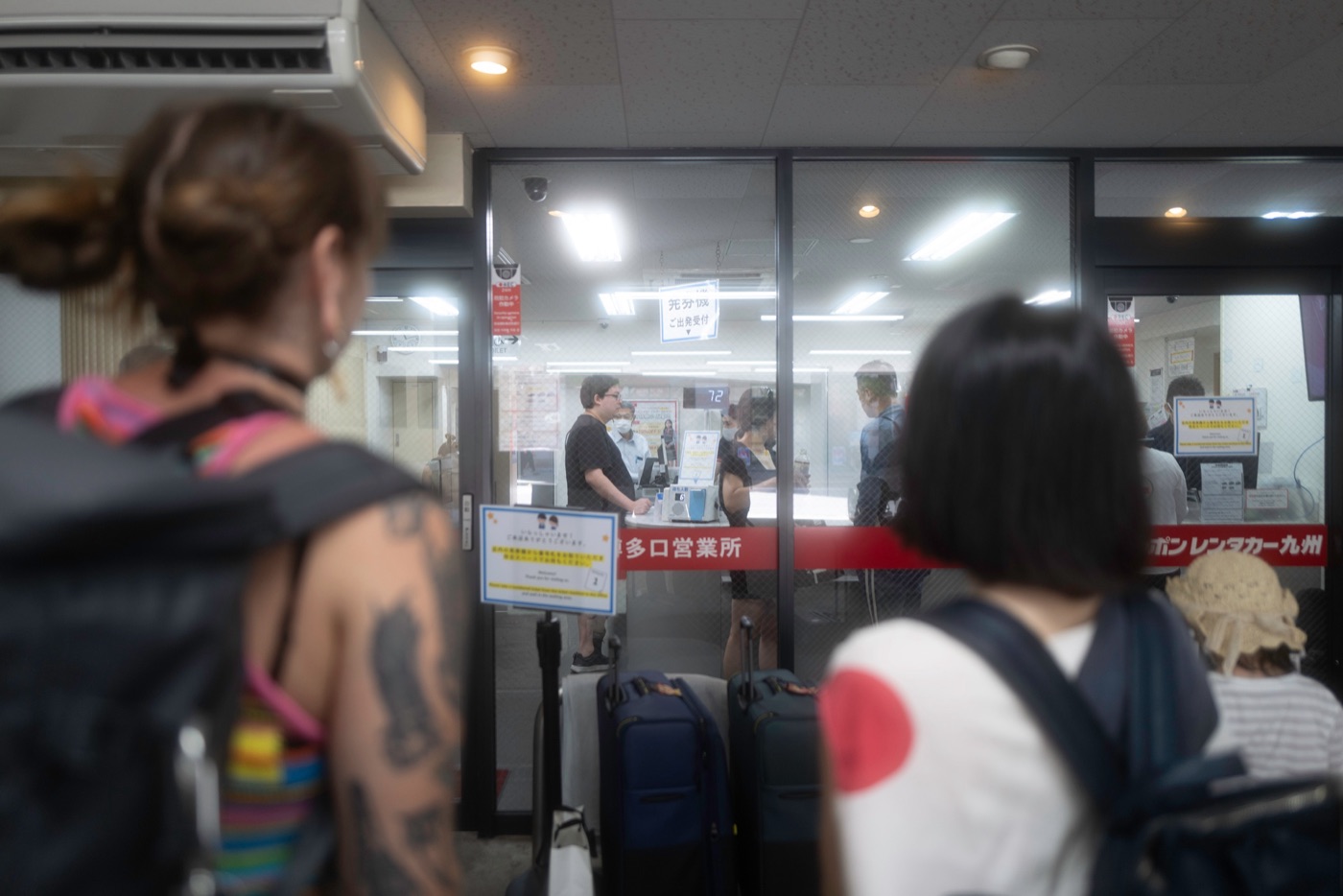
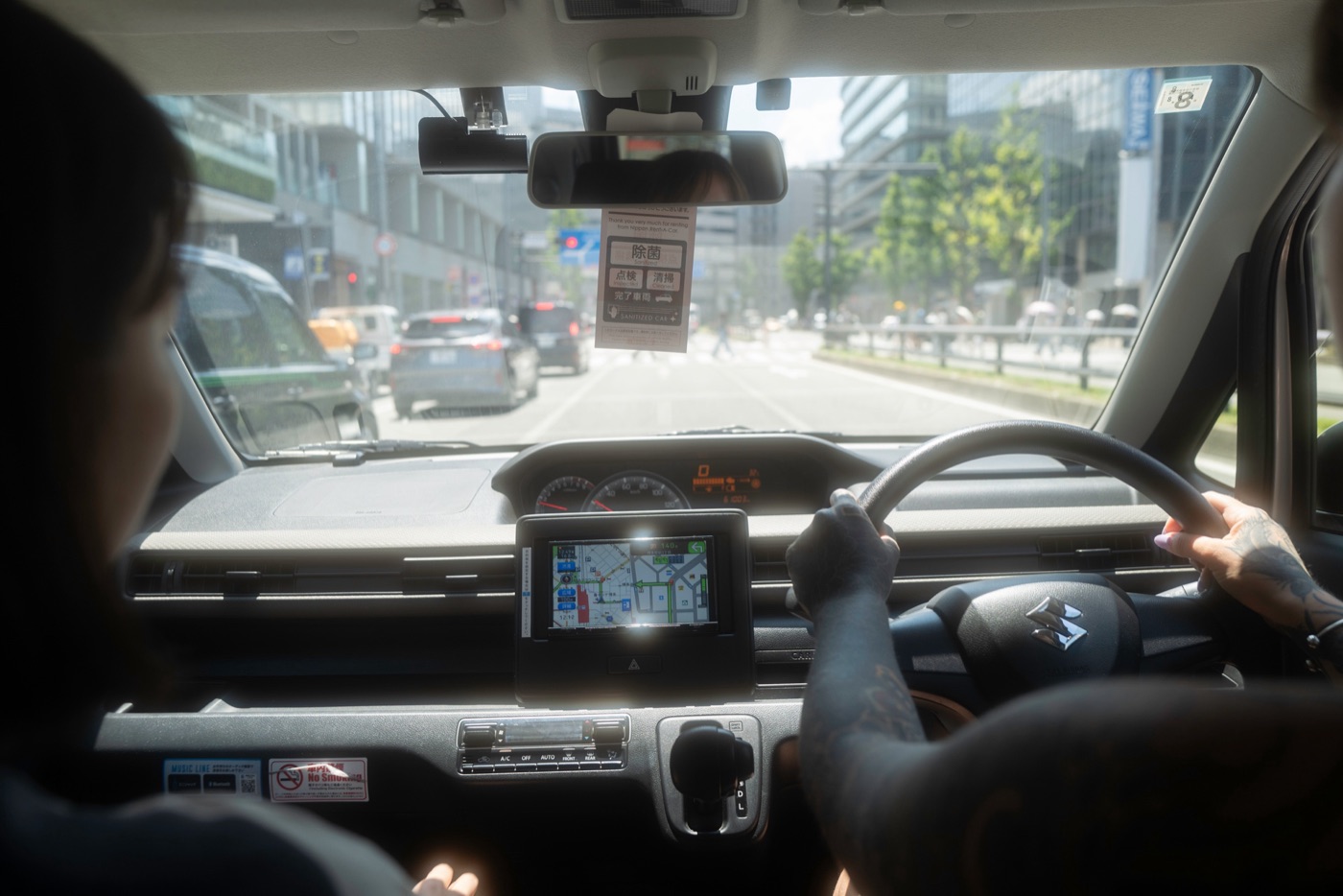
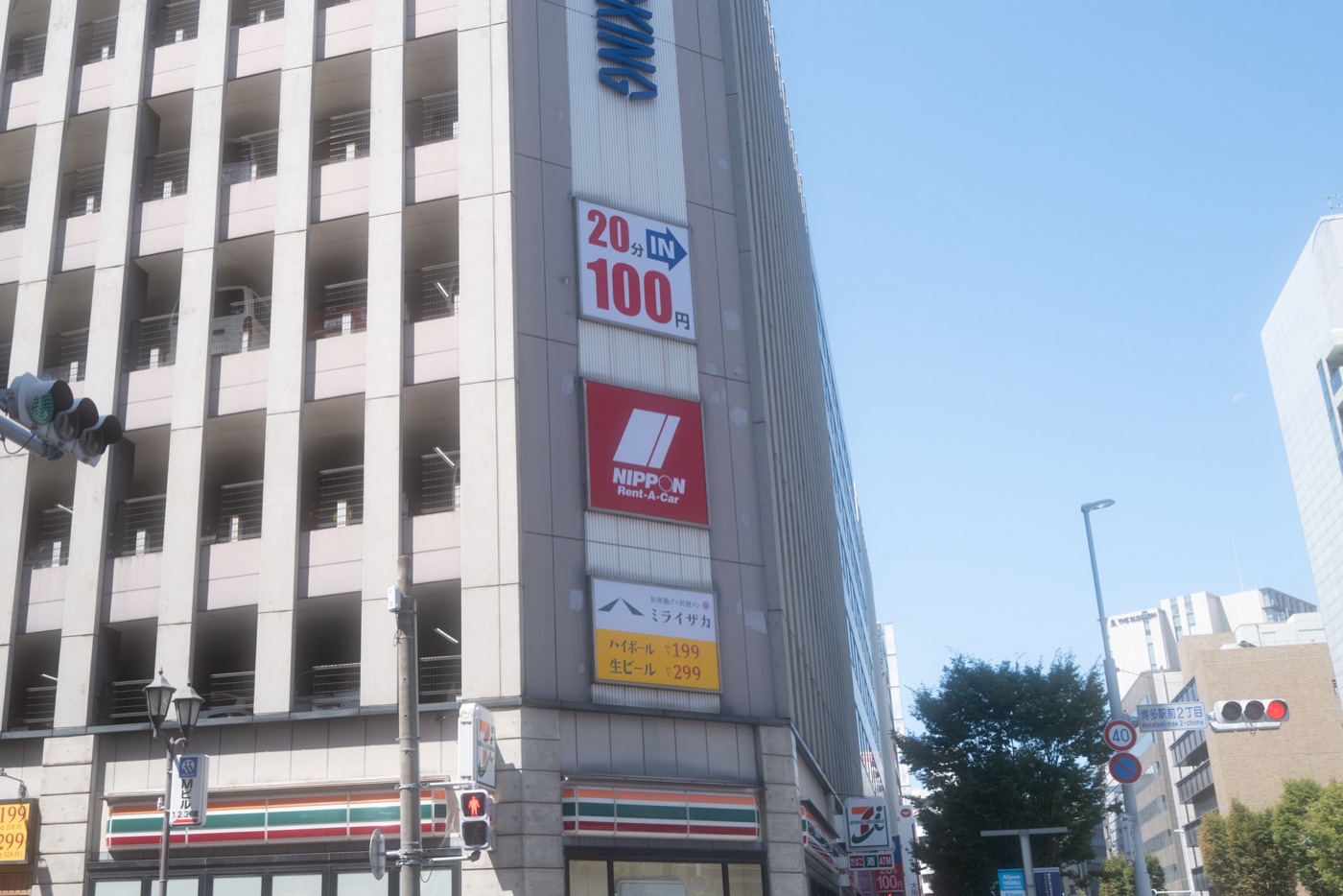
Nippon Rent-a-Car is one of Japan’s largest and most reliable rental companies, with branches at major airports and train stations throughout the country. The process is efficient: reservations can be made online in English, and the counter staff typically speak enough English to handle the paperwork. Vehicles are immaculately maintained and returned spotlessly clean — you are expected to return them in the same condition. Most rentals include basic insurance, but purchasing the optional collision damage waiver is strongly recommended, as it reduces your liability in the event of an accident to zero. Compact cars are the most practical choice for Japan’s narrow roads, and most come equipped with GPS navigation that can be switched to English.
Left-Hand Driving and Road Rules
Japan drives on the left side of the road, which requires adjustment for drivers accustomed to right-hand traffic. The most common mistakes involve turning into the wrong lane at intersections and misjudging spatial awareness on narrow streets. Speed limits are strictly enforced: 40 km/h in urban areas, 60 km/h on national roads, and 80-100 km/h on expressways. Cameras are widespread, and fines are significant. Japanese drivers are notably disciplined and courteous — aggressive driving is extremely rare, and you will quickly notice that horns are almost never used. Seat belts are mandatory for all passengers, and using a mobile phone while driving carries heavy penalties.
Toll Roads and the ETC System
Japan’s expressway network is extensive but expensive. A drive from Tokyo to Kyoto on the Tomei Expressway costs roughly 8,000 to 10,000 yen in tolls. The ETC (Electronic Toll Collection) system uses a card and in-car reader to automatically charge tolls as you pass through gates in dedicated lanes. Most rental cars come equipped with ETC readers, and you can rent an ETC card from the rental company. Using ETC is not only more convenient than stopping to pay cash at each toll booth — it also qualifies you for significant discounts, particularly on weekend and holiday travel. Ask about ETC cards when picking up your vehicle.
Fuel and Parking
Gasoline stations in Japan are often full-service, with attendants who fill the tank, clean the windshield, and process payment. Self-service stations exist but are less common in rural areas. Regular gasoline is indicated by the color red, and nearly all rental cars use regular fuel. Parking in cities requires patience and planning. Coin-operated parking lots are ubiquitous — a metal plate locks your tire in place, and you pay at a machine when you return. Rates vary enormously: rural areas may charge 100 yen per hour, while central Tokyo lots can exceed 1,500 yen per hour. Hotels and ryokan in rural areas typically offer free parking, making overnight stays outside cities far more economical for drivers.