Tag: luxury shopping

  • Aoyama: Tokyo’s Luxurious Cultural Hub

    Aoyama: Tokyo’s Luxurious Cultural Hub

    Aoyama Highlights

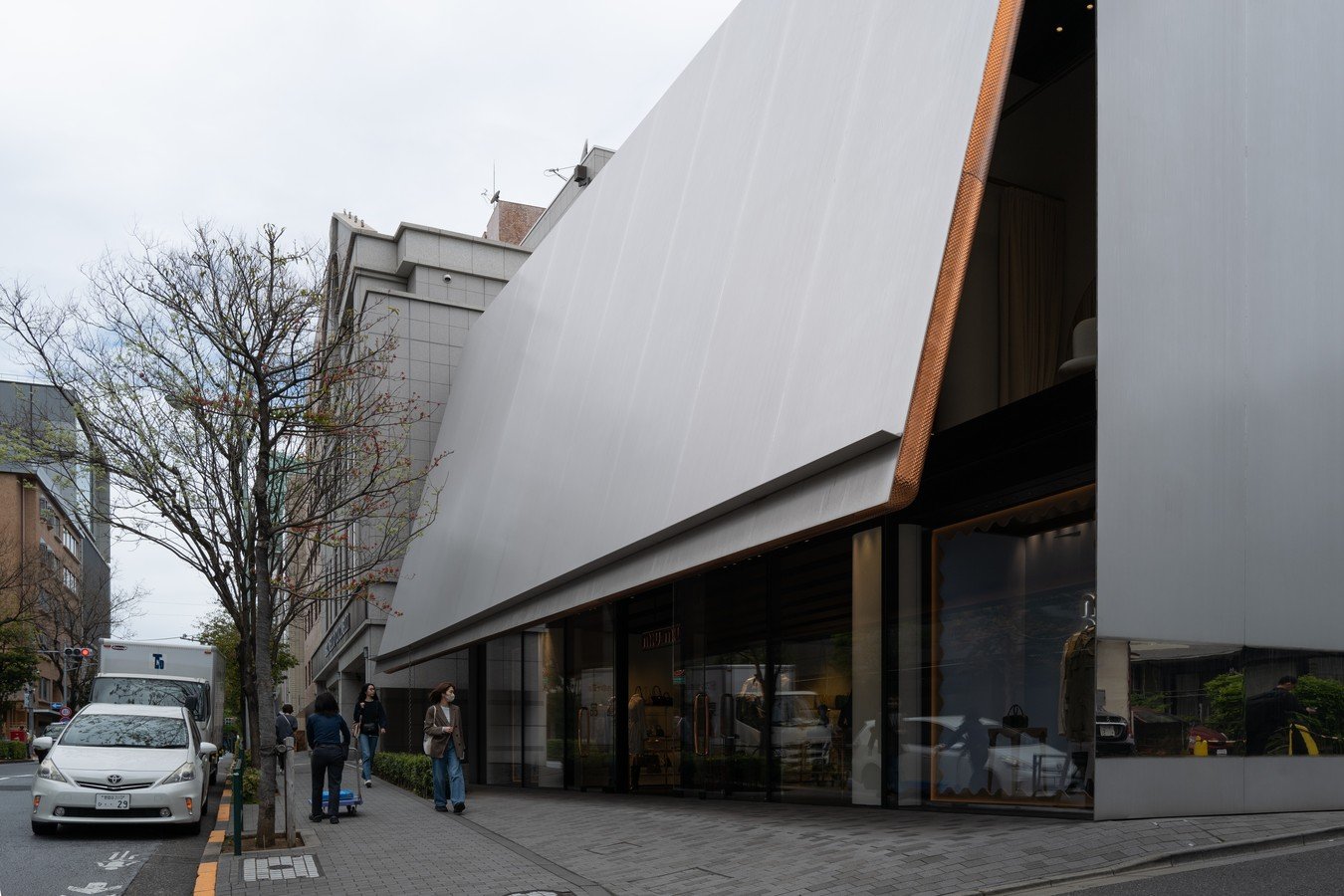
    Aoyama is one of Tokyo’s most affluent neighborhoods, attracting fashion enthusiasts and culture lovers. It’s a hotspot for shopping, dining, and architectural marvels, blending luxury with tradition.

    Shopping and Entertainment

    Stroll along Aoyama-dori and Omotesando, where international fashion houses and designer brands promise a day of indulgence. The area is a magnet for those seeking elegance and style.

    Cultural Attractions

    – **Aoyama Cemetery**: Tokyo’s first public cemetery since 1872, famous for cherry blossom viewing and as the resting place of Hachiko’s owner.
    – **Nezu Museum**: Designed by Kengo Kuma, it houses ancient Japanese arts and crafts alongside a stunning Japanese garden.
    – **SunnyHills at Minami-Aoyama**: Another of Kuma’s creations, where visitors enjoy free pineapple cake and tea.
    – **Architecture**: Admire the works of architects like Aldo Rossi and Kengo Kuma for a mix of tradition and modernity.

    Dining and Shopping

    – **Spiral Market**: A treasure trove of design goods from Japanese and international brands.
    – **Sakurai Tea Experience**: A modern tea bar featuring sophisticated Japanese tea creations.
    – **HIGASHIYA man**: Specializes in handmade Japanese sweets, including manjū filled with red bean paste, nuts, or seasonal fruits.

    Evening Delights

    – **TWO ROOMS**: A chic bar and restaurant near Omotesando and Aoyama, offering terrace views and signature cocktails for a glamorous night out.

    Aoyama is more than a neighborhood; it’s a destination that blends luxury, culture, and architecture, making it an essential stop for visitors in Tokyo.

  • Roppongi Hills: Art, Views, and Upscale Living

    Roppongi Hills: Art, Views, and Upscale Living

    Roppongi Hills: A Multifaceted Urban Hub

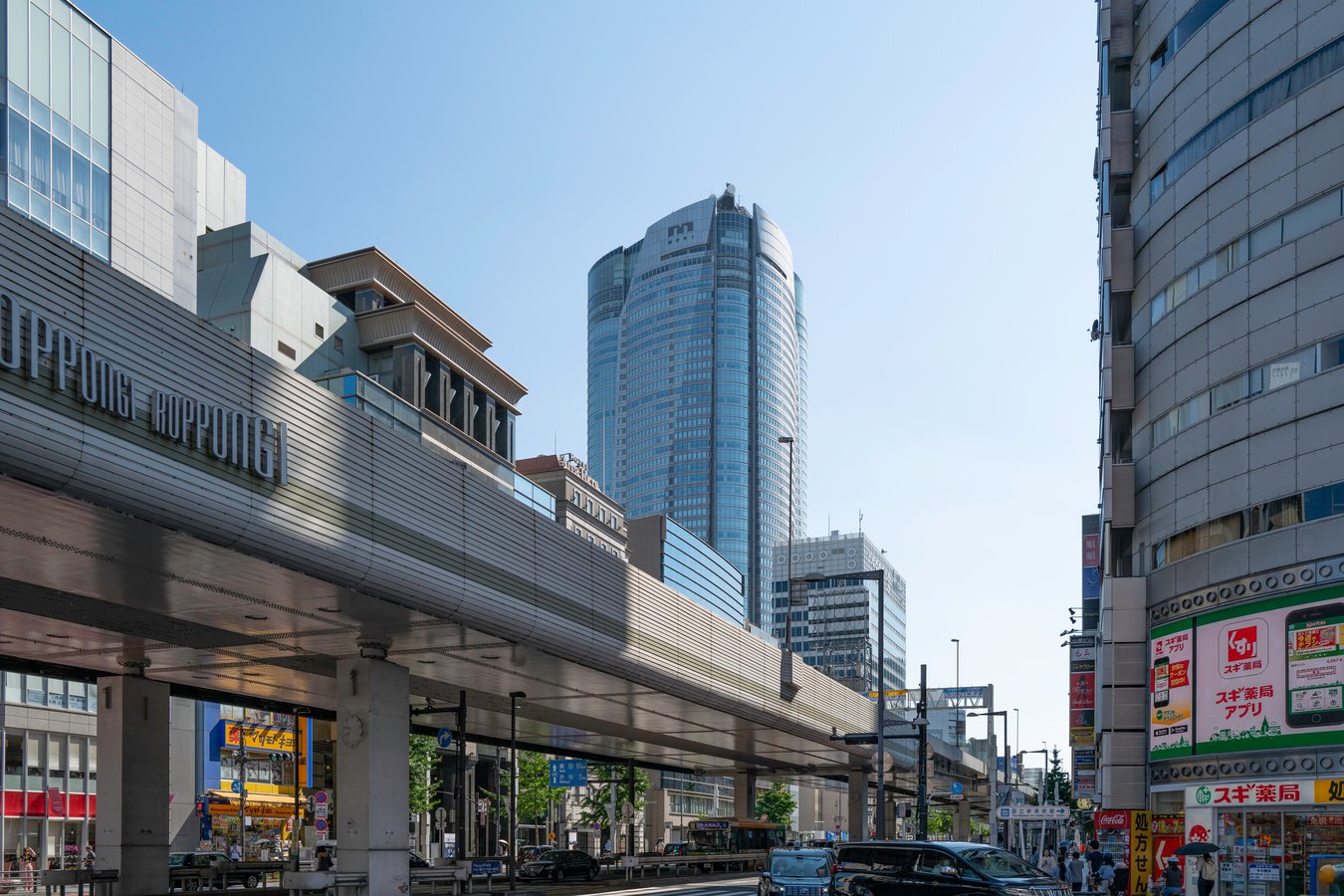
    Roppongi Hills, located in Minato, Tokyo, is one of Japan’s largest integrated developments, centered around the iconic Mori Tower. This urban complex combines art, dining, shopping, and breathtaking city views, offering something for everyone.

    Art and Observation Decks

    The Mori Art Museum on the 53rd floor and the Mori Art Center Gallery on the 52nd floor host diverse and captivating exhibitions. Visitors can also enjoy the Tokyo City View observation deck on the 52nd floor, offering panoramic views of the city. On clear days, you might even spot Mt. Fuji.

    Upscale Shopping and Dining

    Roppongi Hills is home to high-end designer stores like Gucci, Louis Vuitton, and Cartier, alongside gourmet dining options, including a restaurant by French chef Joël Robuchon. While luxurious, these options may not suit all budgets.

    Exploring Moto-Azabu’s Charm

    For a more affordable experience, the streets around the base of Roppongi Hills, particularly in the Moto-Azabu neighborhood, offer casual eateries, unique shops, and a vibrant nightlife scene.

    Seasonal Delight: Mori Garden

    In February and March, the Mori Garden within the complex comes alive with cherry and plum blossoms. Designed in a traditional Japanese style, the garden offers a peaceful escape from the bustling complex.

  • Ginza Six: Tokyo’s Modern Shopping Landmark

    Ginza Six: Tokyo’s Modern Shopping Landmark

    Ginza Six: Luxury Meets Modernity

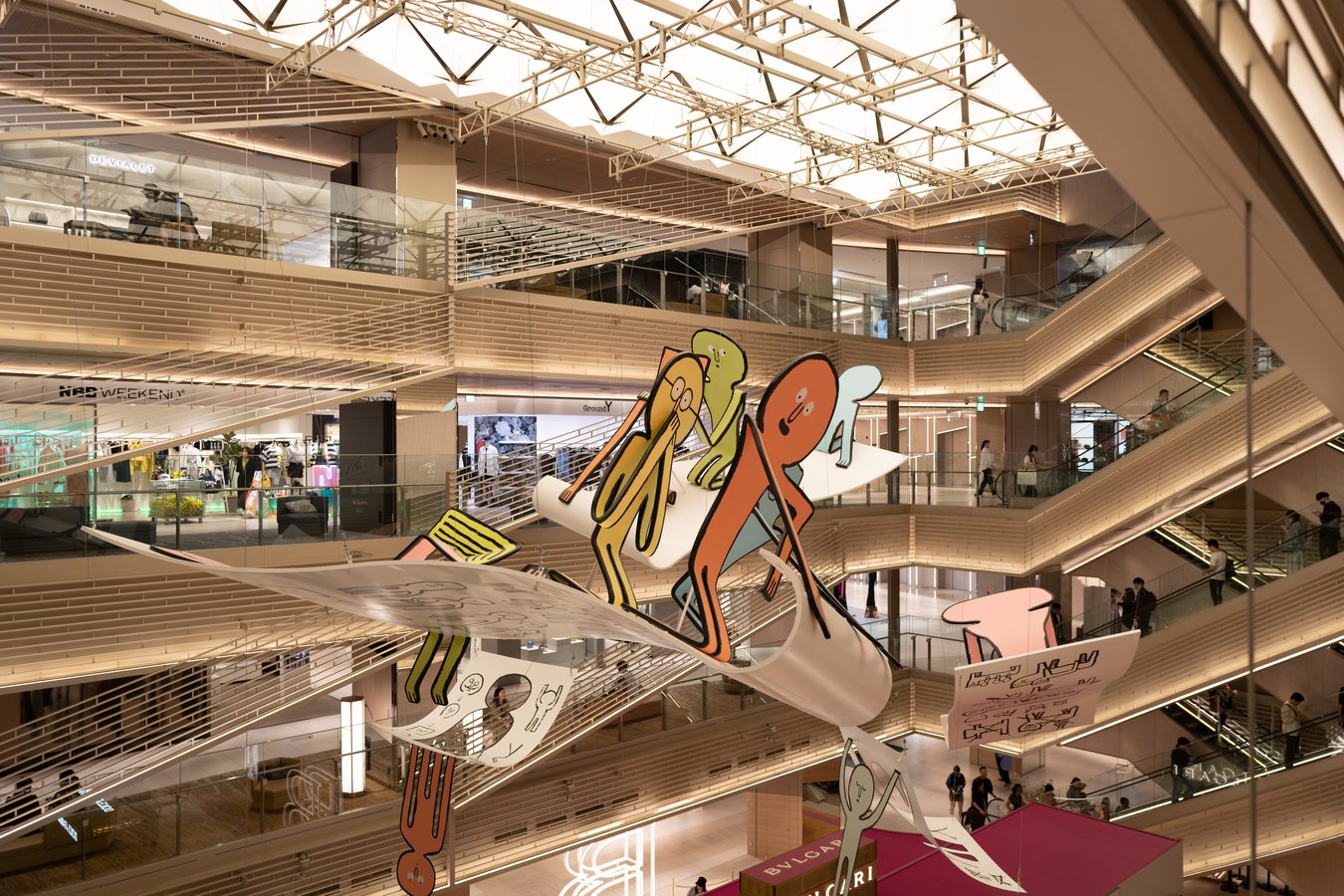
    Ginza Six, located on the site of the former Matsuzakaya, is the largest shopping center in Tokyo’s Ginza district. Known for its luxury boutiques and modern architecture, this cosmopolitan complex is a must-visit destination.

    Shopping and Dining Highlights

    With 241 Japanese and international brands, Ginza Six offers clothing, accessories, art, and gourmet food options. The 6th and 13th floors feature cafes and restaurants, while the second basement is dedicated to a gourmet depachika. The rooftop terrace provides a serene spot to enjoy a bento with views of Tokyo Tower and Tokyo Sky Tree.

    Services and Public Spaces

    Beyond shopping, Ginza Six includes tourist information services, city tours, and a high-quality kombini with local products. It also hosts cultural events and serves as an evacuation area, blending utility with artistry.

    Art and Exhibitions

    The complex integrates modern art with its commercial spaces, showcasing renowned artists like Yayoi Kusama. Pop-up stores feature special collections such as Kusama’s Narcissus Garden, adding an artistic dimension to the shopping experience.

    The Noh Theatre

    In the third basement, Ginza Six houses a Noh Theatre made from cypress wood, relocated from Shibuya. The stage represents a cultural treasure led by Kiyokazu Kanze, head of the Kanze school.

    Architectural Harmony

    The building balances traditional and modern design, thanks to architect Yoshio Taniguchi and designer Nicolas Gwanaël. The exterior highlights the beauty of the interior through features like the metallic structure and Japanese Noren curtains.

    Ginza Six seamlessly blends international modernity with Japan’s rich heritage, creating an unforgettable experience.